September Harvest on a Detroit Menu: Why Cut Week Is Not Jar Week
Harvest week is not jar week. How Detroit shoppers read September menus, COA dates, and why indoor still fills the counter while outdoor flower hangs.
Authority & Education
This archive
Farming & Process follows the plant after the soil is set: Michigan frost dates and hoop houses, harvest timing (trichomes, pistils, late-summer weather), curing for terpene retention, beneficial-insect IPM, and seed-to-smoke days on the Detroit farm. Posts in this bucket include farming on Michigan time, when sun-grown cannabis is ready, the two curing essays, beneficial insects, and the mid-summer harvest preview. This is process writing — what happens in the field and the dry room — not a lab-results page. Cultivation & Soil covers the underground biology. Products & How-To covers jars, pre-rolls, and concentrates after the cure. Shop and shipping stay on their own URLs.
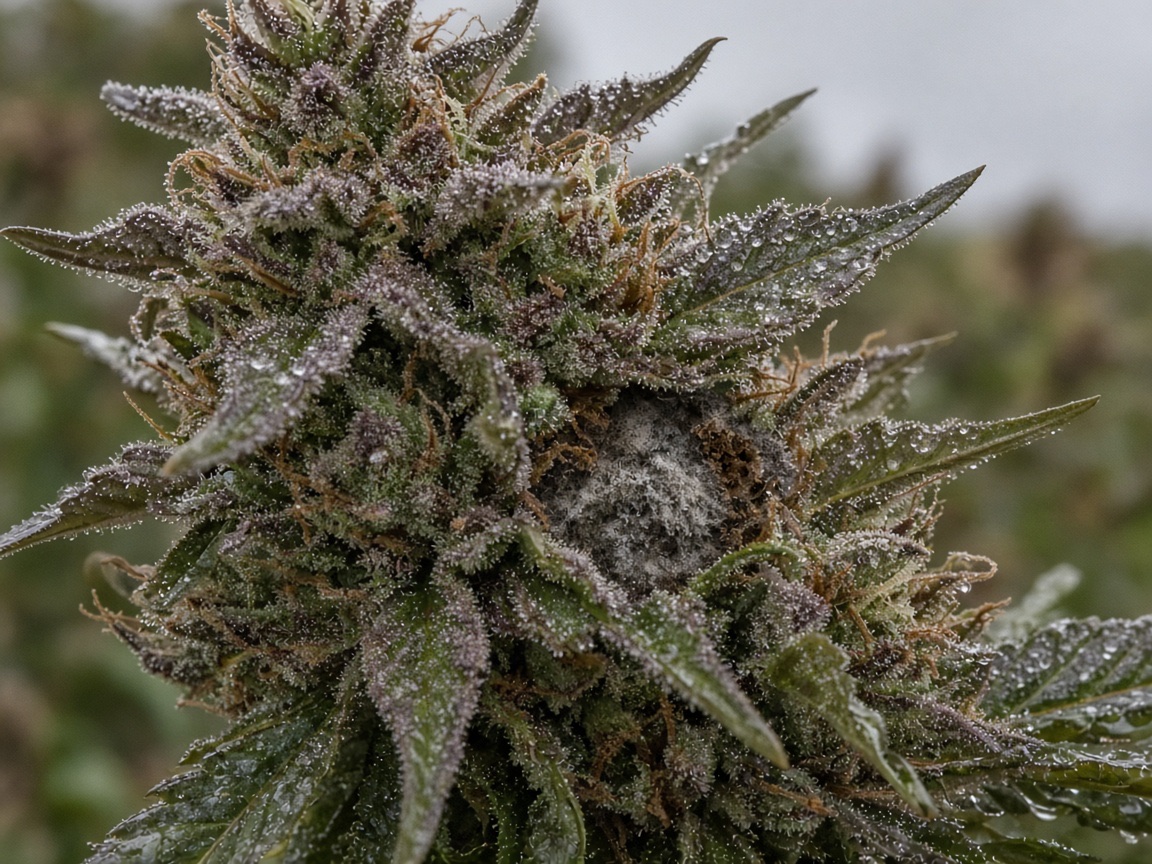
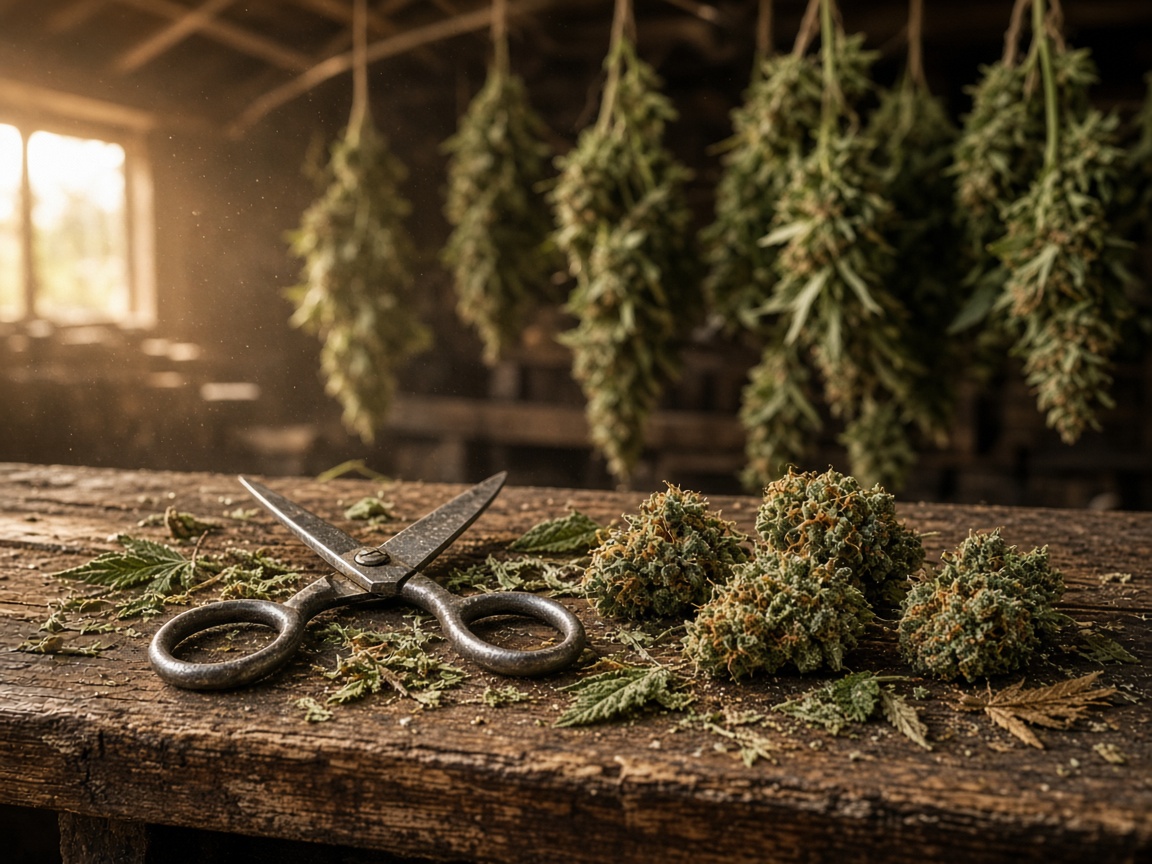
Harvest week is not jar week. How Detroit shoppers read September menus, COA dates, and why indoor still fills the counter while outdoor flower hangs.

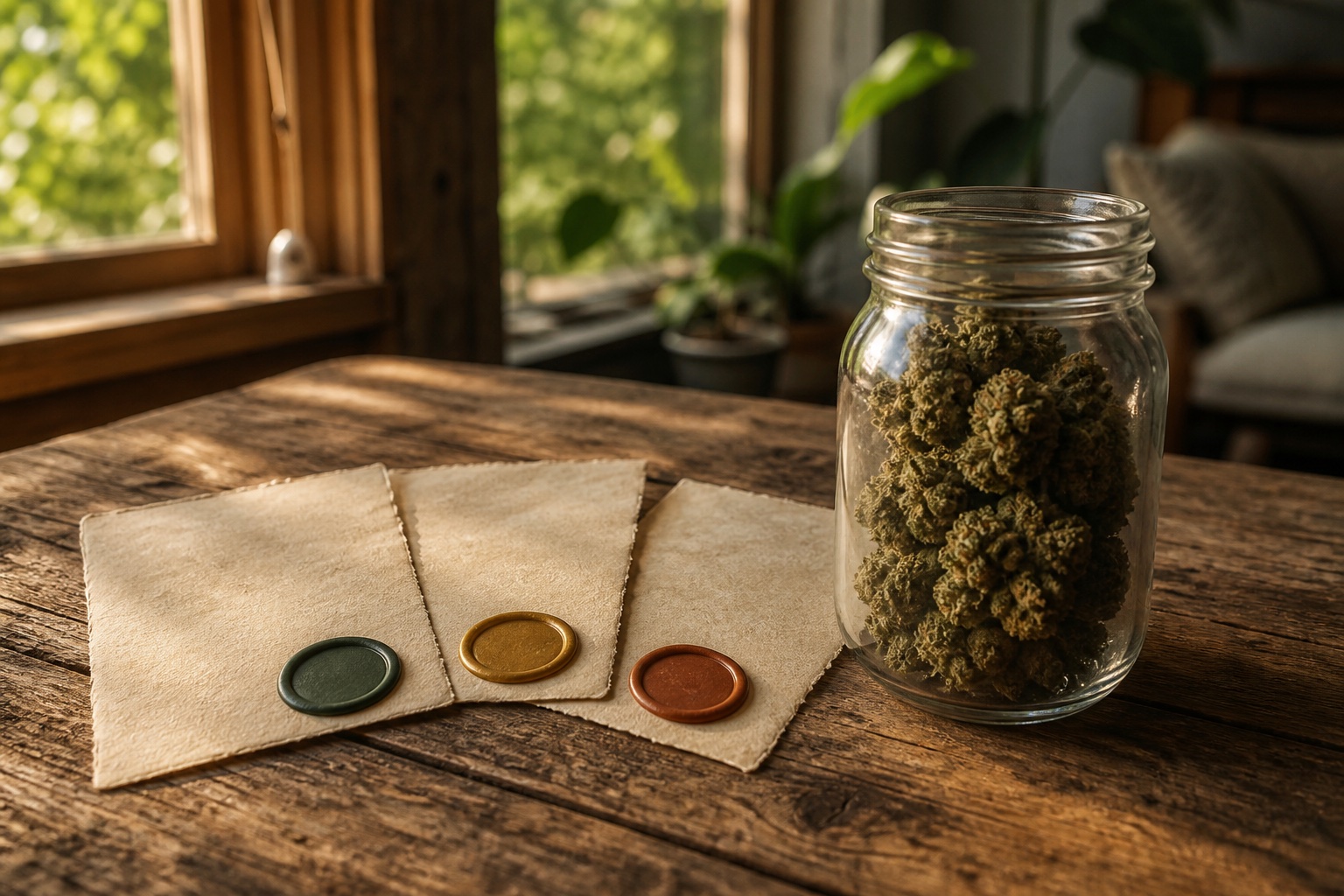
What Sun+Earth, Clean Green, and USDA Organic cannabis seals actually audit — and how a Detroit shopper tells a farm seal from a Michigan CRA lab test.

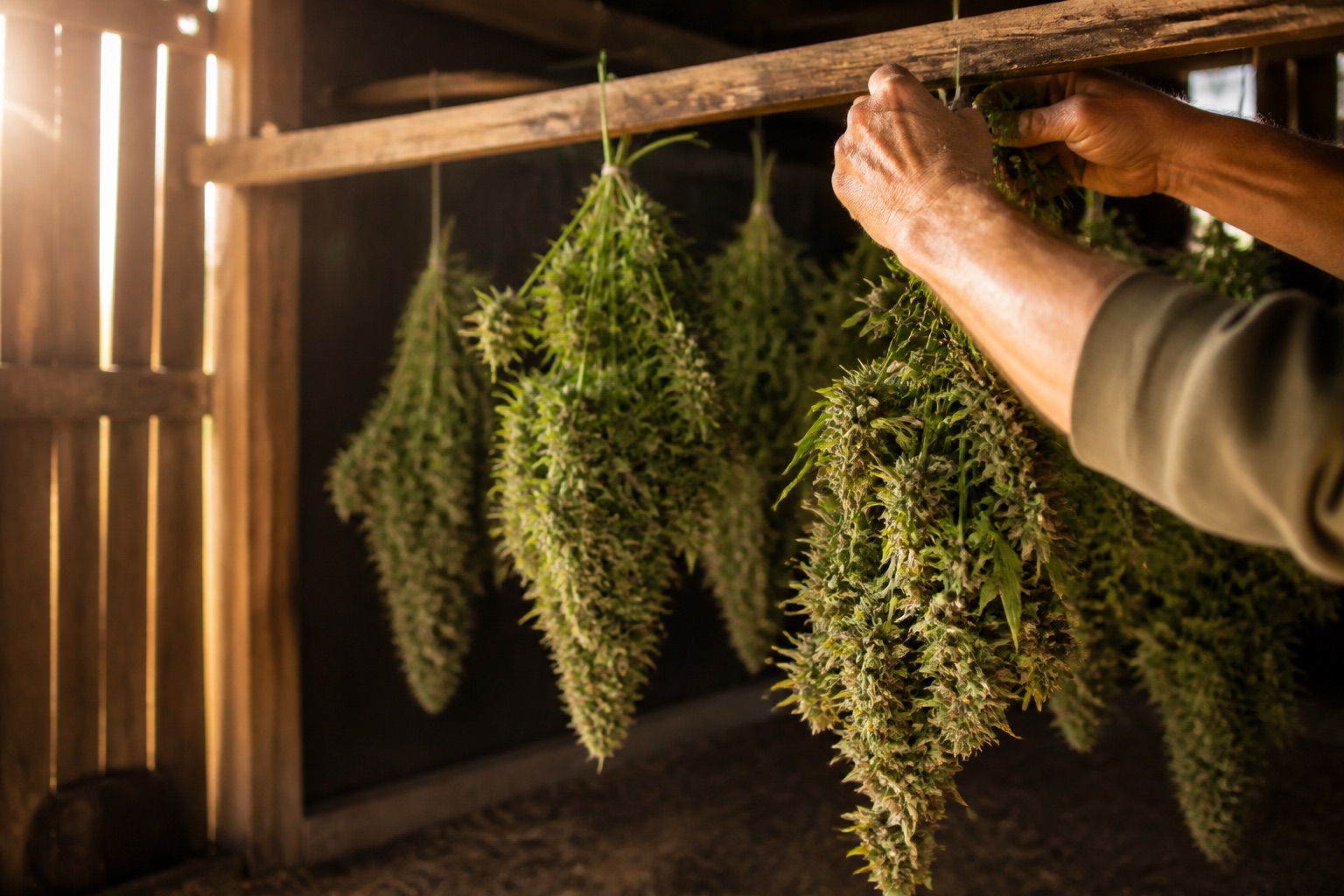
Drying is the hang step after harvest. Learn dry-room temp, humidity, wet vs dry trim, and how Michigan humidity decides whether terpenes survive.

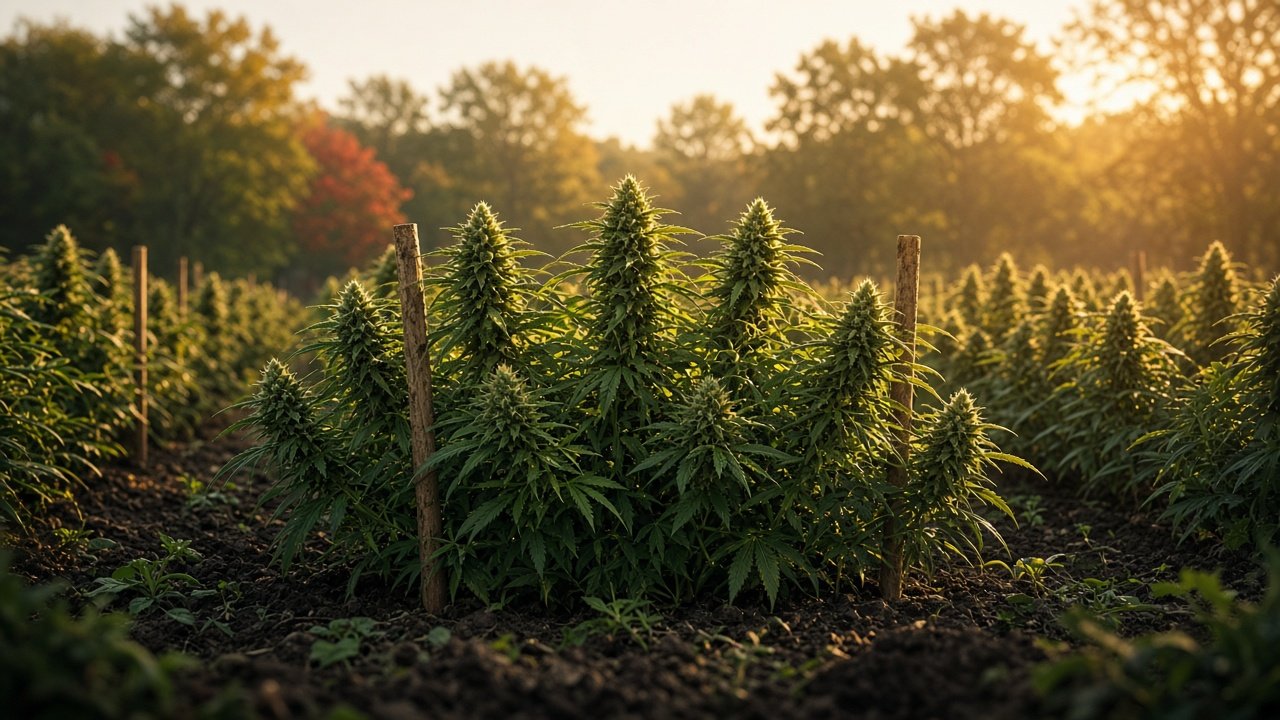
Michigan outdoor cannabis runs on frost dates and day length. Hoop houses buy weeks, not a California season. Here's what that means for Detroit flower.

Growers decide outdoor harvest with a loupe and a weather forecast — not a calendar. Learn trichomes, pistils, and why a week early or late changes the smoke.

Cannabis curing is the slow jar stage after drying. Learn why patience smooths smoke, how to judge a good cure, and what Michigan farms watch for.

Curing protects cannabis terpenes with slow moisture control. Learn why rushed flower smells flat, how jar humidity works, and how to spot a good cure.

A mid-summer peek at what sun-grown cannabis farms do in July — late veg, pre-flower, pest watch — and when fall outdoor flower is usually ready.

Ladybugs, lacewings, predatory mites, and tiny wasps keep cannabis pests in check without sprays. Here's how organic farms use nature's own cleanup crew.