Michigan Medical Caregiver Rules for a Family, Not a Dispensary
Dad's card was on the table. A Michigan caregiver can help one registered patient inside strict plant and ounce limits. A family name is not the card.
Questions this article answers
- What can a Michigan medical marijuana caregiver legally do for a patient in the family?
- How many plants can a Michigan caregiver grow for one patient?
- Can a family member be a Michigan medical marijuana caregiver?
- Can a caregiver sell marijuana in Michigan?
- Does a Michigan caregiver grow stack with the adult-use 12 plants?
- Can a minor be a Michigan medical marijuana caregiver?

Head Cultivator
On this page
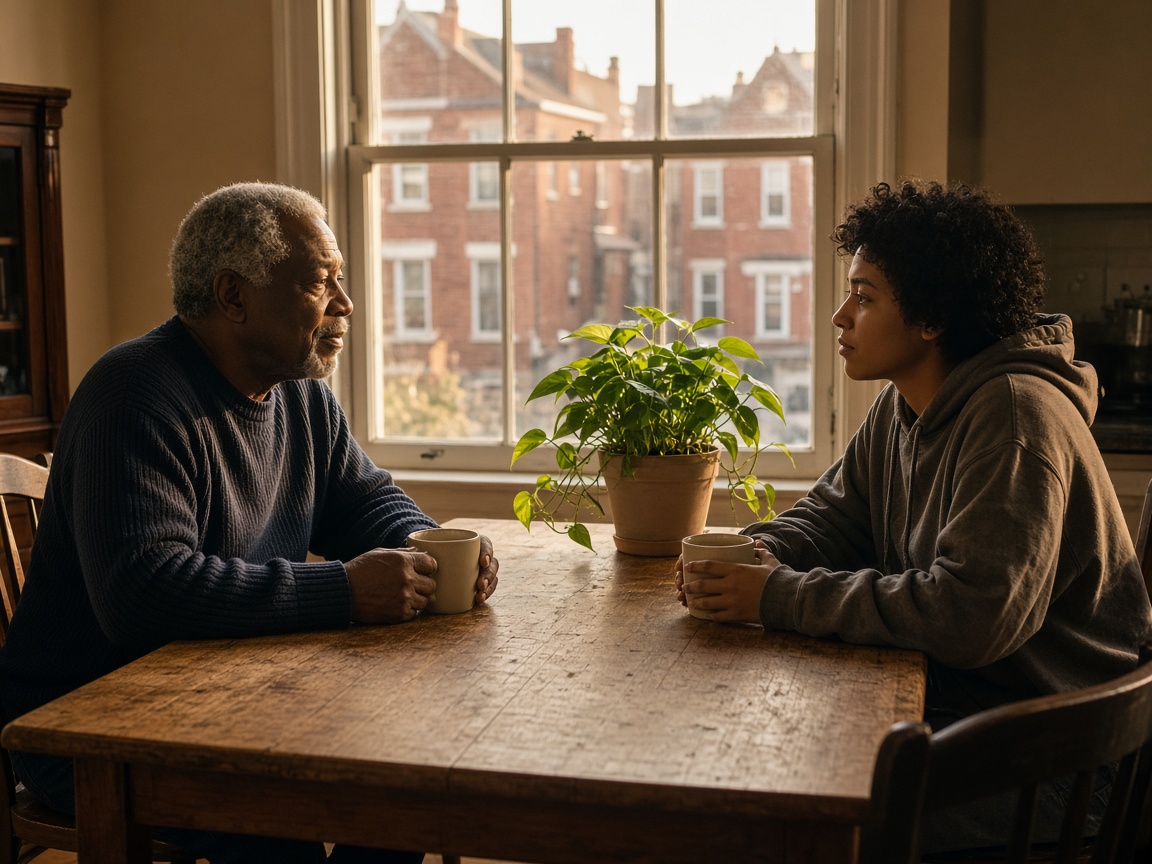
Your dad's card was under the coffee mug. You were still in a school hoodie when you asked if you could grow the plants so he would not have to.
The Michigan Medical Marihuana Act sets the caregiver age at 21. A shared last name is not in that sentence. I am Jamie. I grow sun-grown organic flower for Divine Toke, a Detroit-area Michigan farm. Divine Toke is not a caregiver, and this page is not a caregiver program. The numbers below come from the compiled act, current through Public Act 103 of 2026, in the legislature PDF rendered September 23, 2026. This is not legal advice. If your facts are messy, talk to a lawyer before anyone plants.
Can someone in the family grow for a parent before they turn 21? #
No. A primary caregiver has to be at least 21. The kid in the hoodie can love his dad and still be outside the statute.
MCL 333.26423 defines a primary caregiver as a person who is at least 21 years old, who has agreed to assist with a patient's medical use of marihuana, and who clears the felony bar in that same sentence. The act spells the plant "marihuana." That is the legal word. I will use it when I am quoting the law, and cannabis or marijuana when I am talking like a person at the table.
The felony bar is specific. The person has not been convicted of any felony within the past 10 years. The person has never been convicted of a felony involving illegal drugs, or a felony that is an assaultive crime under MCL 770.9a. A parking ticket is not that sentence. A recent felony is.
The Cannabis Regulatory Agency caregiver FAQ tells you to meet the statutory definition, and it prints the letter (h) after MCL 333.26423. In the September 23, 2026 compilation, letter (h) is the old agency name. The caregiver sentence sits at letter (l). Follow the sentence. Do not follow a stale letter into the wrong definition.
A 19-year-old can be a patient for himself once a doctor certifies him and the state issues his own card. The adult application packet says the online path is for an adult patient 18 or older. That packet does not drop the caregiver age to 18. Helping dad is the caregiver job. That job starts at 21.
Being in the house does not make you the caregiver. Cooking dinner does not make you the caregiver. Driving dad to the doctor does not make you the caregiver. The state has to connect you on his registry record.
| What the kid hoped | What the act actually checks |
|---|---|
| "It's his medicine, and I live here." | The caregiver is a named person, 21 or older, with a registry card. |
| "His card covers the whole house." | His card covers his medical use. Your grow needs your own legal lane. |
| "I turn 21 in the spring, so I can start the plants now." | The age is 21 when you serve. The plants do not get a head start. |
| "Mom said it was fine." | Mom's permission is not the registry. |
If you are 21 or older, the age line is done. You still need the rest of this page. Age is the door. It is not the whole house.
Can you sit with him if you are not the caregiver? #
Yes. Being in the room is a different sentence from growing the plants. Section 4(j) of MCL 333.26424 says a person is not subject to arrest solely for being in the presence or vicinity of the medical use of marihuana in accordance with the act, or for assisting a registered qualifying patient with using or administering marihuana.
Using or administering means helping him take what he is already allowed to have. A tincture under the tongue. A measured edible he already made inside his own limits. Sitting at the same kitchen table while he uses his own flower.
That sentence does not hand you the plants. It does not let you possess his 12. It does not let you dry a harvest in your bedroom and call it "helping him use it." Cultivation sits in the plant checkbox. Presence sits in section 4(j). A 19-year-old can be in the room. A 19-year-old cannot be the grower.
If he is impaired, you drive. Section 7 still bars him from being in actual physical control of a car while under the influence. The helpful ride is the legal one. The helpful grow, before you are 21 and named on the card, is not.
What patient, plant, and possession limits does the statute print? #
A connected caregiver's arrest protection is 2.5 ounces of usable marihuana and equivalents per patient, and 12 plants per patient who named that caregiver to grow. A patient can have only one caregiver. A caregiver can assist no more than five patients. The act does not print a single household total.
Read MCL 333.26424 next to MCL 333.26426. I am using those sections as compiled through Public Act 103 of 2026. Perplexity and a CRA webpage sometimes add words the section does not use. Where they fight, I stay with the section.
| Who holds it | Patients | Plants | Usable marihuana |
|---|---|---|---|
| Registered patient, and no caregiver was named to grow | That patient | 12 plants in an enclosed, locked facility | 2.5 ounces of usable marihuana and usable marihuana equivalents |
| Registered caregiver, for each connected patient | Not more than 5 (MCL 333.26426) | 12 plants for each patient who named the caregiver to grow, in an enclosed, locked facility | 2.5 ounces of usable marihuana and equivalents for each connected patient |
| Seeds, stalks, and unusable roots | Not a patient slot | Incidental amounts are allowed and are not counted in the ounces | Same rule for the patient and the caregiver |
| One ounce, converted | Not a plant count | Not a plant count | 16 ounces of solid infused product, or 7 grams of a gaseous infused product, or 36 fluid ounces of a liquid infused product |
"Usable marihuana" in section 3 means the dried leaves, flowers, plant resin, or extract. It does not mean the seeds, stalks, and roots. A "usable marihuana equivalent" is the infused-product math in section 4(c). An infused product is a topical, tincture, drink, edible, or similar item made to be used some way other than smoking. The act says that product is not a food under Michigan's food law. Your kitchen label is not a grocery label.
The plant choice is one name, not two. Section 6 says the application has to show whether the patient or the caregiver will be allowed to possess the plants. The adult application packet makes you pick a line: "I will possess the plants" or "My caregiver will possess the plants." Dad does not get 12 and you get another 12 for the same patient. If he names you, his own 12-plant line in section 4(a) is the line that required him not to name a caregiver to grow.
Five patients times 12 plants is 60 only if you multiply those two sentences and every one of those patients named you to grow. The act never writes "60" as a cap or a license. Do not put 60 on a whiteboard and call it the law. If you grow for one parent, section 4(b)(2) is 12 plants for that parent.
A caregiver who is also a registered patient has a second role. Section 4(a) is that person's own patient amount, if they did not name someone else to grow for them. Section 4(b) is the amount for the patients connected to them. Those are two cards doing two jobs. The compilation still does not add them into one house number. Do not invent one.
Here is the equivalency math, labeled as math. Section 4(c) says these amounts are equivalent to 1 ounce of usable marihuana. It does not print the 2.5-ounce column. I multiplied by 2.5 so a family can see the scale. If you hate math, stay with the statute's "2.5 ounces" and weigh the flower.
| Form | Equal to 1 ounce in section 4(c) | 2.5 times that figure |
|---|---|---|
| Solid infused product | 16 ounces | 40 ounces |
| Gaseous infused product | 7 grams | 17.5 grams |
| Liquid infused product | 36 fluid ounces | 90 fluid ounces |
A pan of brownies can blow past 40 ounces of solid product fast. The plant material inside them is what the equivalency is measuring, and the act's compiler notes say an inactive substrate is not supposed to be piled on to invent a heavier offense. Do not play games with the pan weight. If the label you wrote does not match what a scale would say about the marihuana in the batch, you do not have a record. You have a guess.
The CRA's page on the licensing act and caregivers repeats the 12-plant and 2.5-ounce figures. It also says a patient may purchase up to 2.5 ounces per day from a licensed provisioning center or from the connected caregiver. Section 4's possession sentence does not say "per day." It says the amount the person possesses. If you are counting what can sit in the house without breaking the arrest protection, use section 4. Do not swap in the webpage's "per day" and pretend the statute grew a new sentence.
Arrest protection has a second piece. Section 4 says the privilege applies only if the patient or the caregiver shows the registry card and a valid driver license or government photo ID. A story about the application being "in the mail" is not the card. The Michigan Medical Marijuana Program page says the same thing in agency English: present the valid registry card and a photo ID. The CRA says to wait until the card arrives before medical use. A third party that calls the application a temporary card is putting people at risk of arrest. That warning is on the state page.
Does the caregiver have to be a relative? #
No. The adult-patient rule does not require a relative. A son, a daughter, a spouse, or a neighbor can serve if they are 21, they agree, they clear the felony bar, and the patient names them.
The definition is an agreement to assist with that patient's medical use. Medical use, in section 3, means acquiring, possessing, cultivating, manufacturing, extracting, using, delivering, transferring, or transporting marihuana or an infused product to treat or ease that registered patient's debilitating condition. It is that patient's condition. It is not the block's condition.
Section 6(d) is the headcount. Each qualifying patient can have not more than one primary caregiver. A primary caregiver may assist not more than five qualifying patients. Dad cannot put you and your sister on the account as co-caregivers. One name. If you already assist five patients, a sixth name does not fit, even if the sixth person is your mother.
What changes when the patient is under 18? #
The parent or legal guardian has to serve as the caregiver. A sibling who is not the guardian does not fill that blank.
Section 6(b) says the agency shall not issue a registry card to a qualifying patient under 18 unless all of these are true:
- The patient's physician explained the potential risks and benefits to the patient and to the parent or legal guardian.
- The parent or legal guardian submits a written certification from two physicians.
- The parent or legal guardian consents in writing to allow the medical use, to serve as the primary caregiver, and to control the acquisition, the dosage, and how often the minor uses it.
An adult patient needs one physician's written certification. A minor's file needs two. The caregiver age is still 21, so the minor cannot be the caregiver for a parent, and the minor cannot be the caregiver for himself.
A 22-year-old brother is not the parent. He is not the legal guardian unless a court made him that. Section 6(b) gives the caregiver consent line to the parent or legal guardian. I am not going to add a sibling exception the section does not print.
Custody is a separate sentence, and it is easy to overread. Section 4(d) says a person shall not be denied custody or visitation of a minor for acting in accordance with the act, unless the person's behavior creates an unreasonable danger to the minor that can be clearly articulated and substantiated. A card is not a shield for a dangerous house. A card is also not, by itself, a reason to lose the kids. If a custody case is already open, this blog is the wrong desk. Call a family lawyer.
What has to be filed before the first plant? #
Both people need registry cards that name the connection, and the form has to say who possesses the plants. An agreement at the kitchen table does not start the protection.
The patient file under section 6 asks for a written certification, the fee, the patient's name, address, and date of birth, the physician's name, address, and phone, and proof of Michigan residency. Residency can be a Michigan driver license, a state personal ID, or a Michigan voter registration. If the patient names a caregiver, the form adds the caregiver's name, address, and date of birth, plus the plant choice.
The written certification is a document the physician signs. It states the debilitating condition. It states the physician completed a full assessment of the medical history and current condition, including a relevant exam. It states the physician's opinion that the patient is likely to receive therapeutic or palliative benefit. "Palliative" means the aim is to ease symptoms. It does not mean the plant cures the disease. The act also defines a bona fide physician-patient relationship: the doctor reviews records, keeps records, expects to follow up, and, if the patient allows, tells the primary care doctor.
The conditions in section 3 are a list, not a vibe. Other conditions can be added by the agency after a petition. The doctor writes the certification. You do not.
| In the act by name | Also in the act, if the condition or its treatment produces it |
|---|---|
| Cancer, glaucoma, HIV, AIDS, hepatitis C | Wasting syndrome |
| ALS, Crohn's disease | Severe and chronic pain |
| Agitation of Alzheimer's disease | Severe nausea |
| Nail patella | Seizures, including those that look like epilepsy |
| The treatment of those named conditions | Severe and persistent muscle spasms, including those that look like multiple sclerosis |
If dad's doctor will not certify, a relative's opinion does not fill the form. Section 6(f) also runs the other way. If the certifying physician notifies the agency in writing that the patient has ceased to suffer from a debilitating medical condition, the card becomes null and void when the agency notifies the patient. A card is not a lifetime coupon.
One more family case the act does name: a visiting qualifying patient. Section 3 says that is a patient who is not a Michigan resident, or who has been a resident for less than 30 days. Section 4(k) says another state's registry card has the same force as a Michigan card for that visitor, or for a person assisting that visitor's medical use. An aunt in from Ohio for a week is not a reason for you to start 12 plants in a Detroit basement. Her card follows her. It does not appoint you as a Michigan caregiver for a Michigan parent.
The CRA caregiver FAQ says the patient submits a full application packet if the card is within 90 days of expiring or the person is not a current patient. If the patient already has an active card, the patient submits an Add or Change Caregiver Form. Your valid state driver license or personal ID goes with that packet. An expired license is not accepted. The adult packet on the CRA site lists an application fee of $40, by check or money order payable to State of Michigan-MMMP. Section 5 lets the agency use a sliding scale based on family income. If a later form shows a different fee, the form in your hand wins over this paragraph.
The online portal is the wrong door if dad is keeping a caregiver. The application packet says the online path is for an adult patient 18 or older without a caregiver, or a renewal that removes a caregiver. If you are an active patient and you want to keep a caregiver or apply with one, you use the paper path. The MMMP information page says the same limit in shorter words: online registration is for a qualified patient without a caregiver.
Section 6(c) gives the agency 15 business days to approve or deny after it receives a complete application. It may deny only if the information was missing or falsified. Section 6(e) gives the agency 5 business days after approval to issue the card. The card expires 2 years after the date it is issued. A rejection can be taken to the circuit court for Ingham County. A Detroit denial is not filed in Wayne County. The venue in the act is Ingham.
Count the days before you buy a tent. Fifteen business days is three weeks, and that clock starts when the agency has the complete packet, not when you dropped it in a blue box on Mack Avenue. Then five more business days to issue. A Saturday promise of "we'll be legal by Monday" does not match the section. Renew before the two-year date. An expired card is not the card you show with your license.
Keep a copy of the plant checkbox with the card. If you move the pots from a bedroom to a basement, the designation does not change by itself. The card still has to say who possesses the plants. A new room in the same Detroit house is fine only if it still meets the enclosed, locked test and the same named people are the only ones with the key.
Voters approved this registry on November 4, 2008. The MMMP page says the program administers the act and sits inside the Cannabis Regulatory Agency's licensing division. The act's own text often still says "marijuana regulatory agency." Executive Reorganization Order 2022-1, MCL 333.27002, renamed that agency the Cannabis Regulatory Agency. Same program. Newer name on the door.
What the card has to show is in section 6(e). Name, address, and date of birth of the patient. Name, address, and date of birth of the caregiver, if there is one. The issue date and the expiration date. A random identification number. A photograph if the agency requires one by rule. And a clear designation of whether the caregiver or the patient will possess the plants, based only on the patient's preference.
Hold the card up to the form. If the plant line on the card does not match who is actually in the room with the pots, you are outside the designation. Fix the card before you fix the story you plan to tell an officer.
The CRA's public contact for the registry is 517-284-8599 and CRA-MMMPINFO@michigan.gov. The same page says the MMMP is not affiliated with dispensaries, provisioning centers, caregivers, certifying physicians, or any business that puts "Michigan Medical Marijuana Program" or "MMMP" in its name. If a Detroit flyer uses those words to sell you a shortcut, that flyer is not the registry.
The list of cardholders is confidential. Section 6 says individual names are exempt from the Freedom of Information Act. A person who discloses confidential information in violation of the act is guilty of a misdemeanor punishable by imprisonment for not more than 6 months or a fine of not more than $1,000, or both. The agency can still tell the police about a falsified application, and it can tell law enforcement whether a card is valid. "Confidential" does not mean "invisible to a traffic stop." It means your neighbor cannot FOIA dad's diagnosis.
What can a registered caregiver do for the connected patient? #
The caregiver can assist that connected patient's medical use, inside the ounce and plant limits, and can be paid for the costs of that help. The help is for the patient named on the card.
Once the cards match, section 4(b) protects the caregiver from arrest for assisting the connected patient in accordance with the act, if the amounts stay inside the three lines: ounces, plants, and incidental roots and stalks. Showing the registry card and a photo ID is part of that privilege.
Practical help that fits inside "medical use" for that one patient:
- Grow the 12 plants, if the form says the caregiver possesses the plants, in an enclosed, locked facility.
- Hold up to 2.5 ounces of usable marihuana and equivalents for that patient.
- Make an infused product for that connected patient. Section 4(m) allows a caregiver to manufacture an infused product for a patient connected through the registration process.
- Deliver or transport that patient's marihuana for that patient's medical use.
- Buy from a licensed provisioning center in an amount the medical act allows. MCL 333.26424a and MCL 333.27203 both speak to that purchase.
- Transfer 2.5 ounces or less to a licensed safety compliance facility for testing. That is the testing sentence in section 203 of the facilities act. A test is not the same thing as a shop label. A Michigan shop jar's lab sheet is a different system, which is what CBC on a Michigan COA is about.
- Transfer or sell seeds or seedlings to a grower licensed under the facilities act. Section 4a says seeds or seedlings. MCL 333.27501 also names tissue cultures on the grower side. Finished flower is not that list.
Section 4(f) is the money line, and it is narrower than a price tag. A registered primary caregiver may receive compensation for costs associated with assisting a registered qualifying patient in the medical use of marihuana. Any such compensation does not constitute the sale of controlled substances. The sentence is about costs of assisting the registered patient. It does not say "charge the neighborhood whatever the market will bear."
There is a presumption you are in the medical use if you have the card and you are inside the amount allowed. The presumption can be rebutted. If the conduct was not to ease that patient's condition, the presumption falls. Growing a second closet "for whoever needs it" is the kind of fact that fights the presumption.
An enclosed, locked facility is a closet, room, or other comparable, stationary, fully enclosed area with locks or other working security devices. Access is only for the registered caregiver or the registered patient. Outdoor plants count as that kind of facility only if they are not visible to the unaided eye from adjacent property, from ground level or from a permanent structure, and they sit inside a stationary structure enclosed on all sides except the base. Chain-link, wooden slats, or something like that has to keep the public out. It has to be anchored to the ground. It has to have a lock. The land has to be owned, leased, or rented by the patient or by the caregiver named for those plants.
On a Detroit block, the house next door is close. "Not visible to the unaided eye from adjacent property" is a real constraint in a tight yard. A tarp tossed over a tomato cage is not the sentence. If you rent, read the lease before you sink a post. More on that below, and in Detroit rental and neighbor smoking rules.
A car can count as an enclosed, locked facility only while it is temporarily moving living plants from one place to another, with the intent to keep them at the second place. The only person inside that vehicle is the patient those plants belong to, or the caregiver named for that patient. A trunk full of plants as a weekly routine is not "temporary."
Infused products in a car have their own section, MCL 333.26424b. The default is that a patient or caregiver shall not transport or possess an infused product in a motor vehicle. The exceptions want a sealed, labeled package in the trunk. If the car has no trunk, the package is carried so it is not readily accessible from the interior. A caregiver's version for a commercial-style move also wants a transportation manifest in a case. A narrower exception lets a caregiver transport an infused product for a child, spouse, or parent who is a qualifying patient, still sealed and labeled, still in the trunk or out of reach. The label has to state the weight in ounces, the manufacturer, the date of manufacture, and the patient's name. A violation is a civil fine of not more than $250. The brownies on the passenger seat of a Detroit hatchback miss that section.
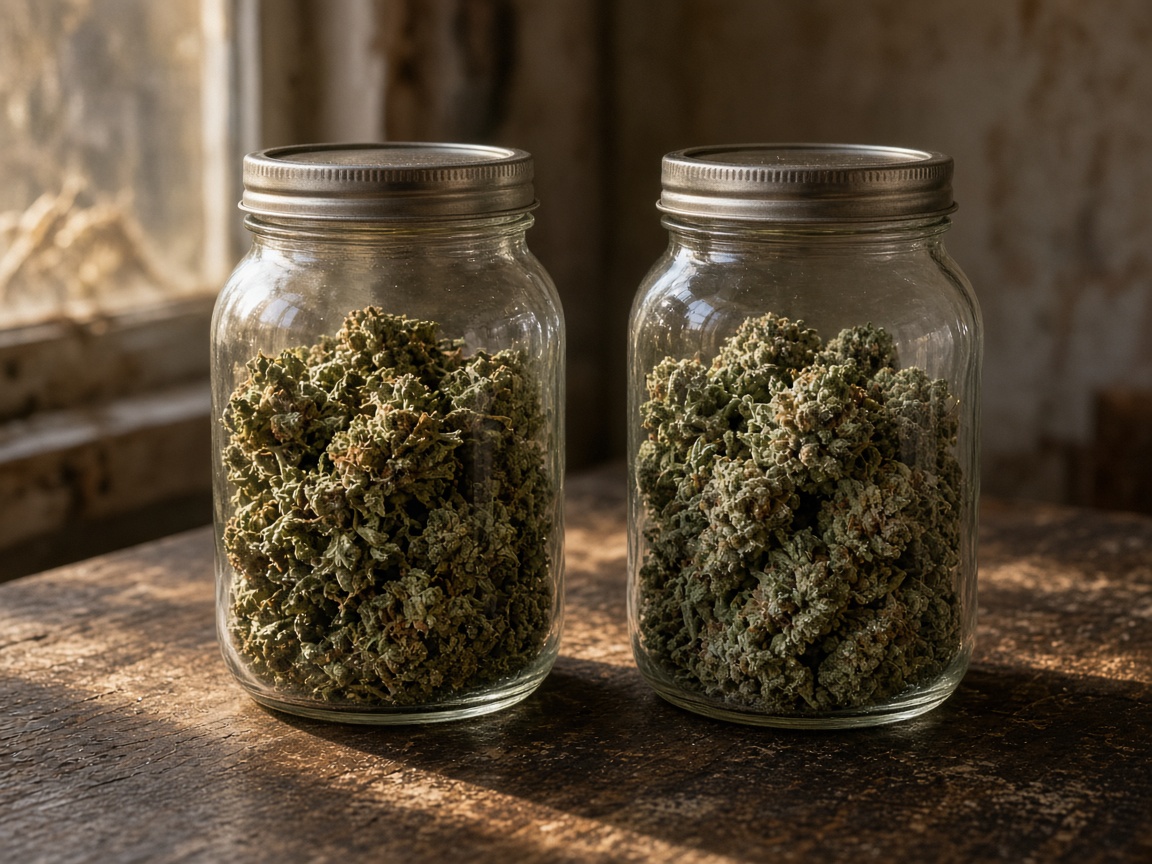
Section 4(h) is the gear line. A person is not arrested for giving a registered patient or a registered caregiver marihuana paraphernalia for the patient's medical use. Paraphernalia here means the pipe, the papers, the storage jar. It does not mean a second set of plants. A grinder on the table is not a plant count.
Section 8, MCL 333.26428, is a court defense. It is not a second card. A patient and a caregiver may assert a medical purpose as a defense if a physician stated the likely benefit in a real doctor-patient relationship, the amount they held together was not more than reasonably necessary for uninterrupted availability, and they were acquiring, possessing, cultivating, or transferring for that patient's condition. A judge hears it. A blog cannot grant it. If you do not have the card yet, do not treat section 8 as permission to start the closet. The CRA already told applicants to wait for the card.
What does one compliant Saturday actually look like? #
Dad holds the patient card. You are 22, you hold the caregiver card, and the form says you possess the plants. Twelve plants are in a locked room. The ounce jar for him is the jar you are allowed to hold for him. Nobody else gets a pinch.
You do not post the room on a group chat. You do not sell a jar to the night shift at the plant. If he pays you back for soil and a lock, section 4(f) is the sentence about costs. You keep the receipt. You do not invent a menu.
If he wants an edible, you make it for him, you label the weight, and you do not send a pan to his church friend. If the pan has to go to his house across town, it rides sealed in the trunk with the label section 4b wants: weight in ounces, who made it, the date, and his name.
If a plant dies, you are at 11, not at "I'll replace it and keep the dead one in a bucket just in case." A plant, in section 3, is a living organism that makes its own food through photosynthesis and has roots you can see, or is sitting in growth material. Count the living ones. Do not count a story.
If your sister asks for "just enough for sleep," the answer is the stop table. Her sleep is not his certification. If she is 21 and you are thinking about the adult-use gift rule, that is a different statute and a different pile. It is not his medical 2.5 ounces.
If the landlord knocks because the lease says no cultivating, section 7 does not save the room. The written ban stands. The rental piece is the neighbor article linked above.
That Saturday is the whole protection. It is small on purpose. The act was written for a sick person and one helper, not for a store with a family name on the awning.
Write the names down the way the card writes them. Patient. Caregiver. Who possesses the plants. If a third person waters the pots, they are not a silent extra caregiver. Section 6(d) still allows only one. Hand them a watering can and you may have handed them the plants.
If the only thing that changed is dad's dose, that is his doctor, not a new plant count. This page does not set a milligram. The card sets who may hold the plants and the ounces. His clinician sets whether cannabis belongs in his week at all.
Keep the registry phone in the notes app. 517-284-8599. When a Detroit counter and the statute disagree, call that number or read MCL 333.26424 before anyone adds a pot.
Where does that help stop? #
It stops at anyone who is not the connected patient, at any amount over the section 4 lines, and at the places section 7 lists. The card is not a citywide pass.
MCL 333.26427 is the scope section. The medical use is allowed under state law to the extent it complies with the act. Then the act lists what it does not authorize.
| The thing someone will try | The stop in the act |
|---|---|
| Sell to a person who is not allowed medical use under the act | Card revoked. Felony. Not more than 2 years, or a fine of not more than $2,000, or both, plus any other distribution penalties. Section 4(l). |
| Patient hands marihuana or an infused product to any individual | Section 4(n) says the patient shall not. A sibling is an individual. |
| Caregiver hands an infused product to anyone who is not the connected patient | Section 4(o) says the caregiver shall not. |
| Smoke on a Detroit sidewalk, a bus, or the People Mover | Section 7 bars smoking in any public place and on any form of public transportation. |
| Use on a school ground, a school bus, or in a jail | Section 7 bars possessing marihuana or medical use in a school bus, on preschool or primary or secondary school grounds, and in any correctional facility. |
| Drive, boat, or ride a snowmobile while under the influence | Section 7 bars operating, navigating, or being in actual physical control while under the influence. |
| Run butane extraction in the kitchen, the yard, or the car | Section 7 bars separating plant resin by butane extraction in a public place, a motor vehicle, or inside or within the curtilage of a residential structure. |
| Show up high to a shift and wave the card | Section 7 says nothing in the act requires an employer to accommodate ingestion at work or an employee working under the influence. |
| Grow in a rental after the lease says no cultivating | Section 7 says nothing requires a private owner to lease to a person who smokes or cultivates on the premises, if that ban is in the written lease. |
| Lie to an officer about the card | A $500 fine for fraudulent representation, plus any other penalty for a false statement or for use that does not comply. |
Section 4(l) is the felony people skip because section 4(f) sounds friendly. Cost compensation for assisting the registered patient is not a controlled-substance sale. Selling marihuana to someone who is not allowed the medical use under the act is a felony, and the card gets revoked. The person who is allowed medical use under the act is a registered qualifying patient, within the rules. A cousin with no card is not that person. A neighbor who "has anxiety too" is not that person. A 20-year-old in the house is not that person.
The adult-use law has a separate gift rule. MCL 333.27955 lets a person 21 or older give away, without pay, up to 2.5 ounces to another person 21 or older, with not more than 15 grams of that in concentrate, if the transfer is not advertised to the public. That rule does not raise the medical ounce cap. It does not turn dad's caregiver jar into a family pantry. If the cannabis in your hand is the amount you are allowed to hold for dad, handing it to your brother is you leaving the caregiver's protected assistance. I am not going to write a method for peeling some off. The stop is the point.
A patient shall not transfer marihuana or an infused product to any individual. That is section 4(n), and it is blunt. Dad does not re-gift the jar at Sunday dinner.
Public smoking is not a small footnote in a city. A sidewalk, a park, a bus stop, and the inside of a bus are public or public transportation. The act does not authorize smoking marihuana there. School pickup is worse. Medical use is not authorized on the grounds of a preschool or a primary or secondary school, or in a school bus. A Detroit school parking lot is school grounds. The card does not make the lot a porch.
Butane in a house is banned by name. The adult-use act goes one step wider. MCL 333.27954 says the adult-use act does not authorize separating plant resin by butane or by another method that uses a substance with a flashpoint below 100 degrees Fahrenheit, in a public place, a motor vehicle, or within the curtilage of a home. Curtilage means the house and the yard area tied to it. Do not run a solvent extraction in a Detroit kitchen because the medical card exists. This page will not describe how extraction works.
Work is still work. A caregiver card does not require the boss to let you use cannabis on the job or to let you work under the influence. The adult-use act says an employer can still discipline you for a workplace drug policy. If the job is a truck, a crane, or a school, treat the card as irrelevant to the shift.
Federal law is still the other government. Section 2 of the medical act says federal law prohibits any use of marihuana except under very limited circumstances, and that states are not required to enforce federal law. A Michigan card is a state registry. It is not a federal license. Do not carry this page onto federal property and argue with a sign.
If the worry at the table is dad's heart racing after he uses cannabis, the statute will not answer it. That is a body question, and it lives in why cannabis makes your heart race. This page is the card, the plants, and the stop.
Why is a family house not a dispensary? #
A noncommercial spot where a registered caregiver helps a connected patient is not a provisioning center. A shop is a license. A caregiver card is not that license.
MCL 333.27102 defines a provisioning center as a licensed commercial business that buys marihuana from a licensed grower or processor and sells it to registered patients, directly or through their registered caregivers. The same definition says a noncommercial location used by a registered caregiver to assist a connected patient under the medical act is not a provisioning center. The kitchen is not a store because you helped your dad. The kitchen becomes a legal problem when you start acting like a store.
The CRA impact FAQ says the patient and caregiver model from 2008 remains in effect and was not erased by the 2016 facilities law. Patients can still grow their own 12, or have their connected caregiver grow 12, or buy from a licensed provisioning center. That "or" is the shape of the law. It is not an invitation to be the provisioning center.
A licensed grower cannot be a caregiver at the same time. MCL 333.27501 says that while holding a grower license, the grower shall not be a registered primary caregiver and shall not employ a person who is simultaneously a registered primary caregiver. MCL 333.27502 puts the same ban on a processor license. A processor may purchase marihuana only from a grower. The old window that let a new grower or processor move a former caregiver's plants expired December 31, 2018. The rule that a grower or processor had to have two years of caregiver experience, or an employee who did, ended December 31, 2021. Those dates are in the compiled sections. They are over.
MCL 333.27503 says a secure transporter license does not authorize transport to a registered patient or caregiver. To be eligible, the applicant and each investor must not be a registered patient or a registered primary caregiver. The CRA page on working in a licensed facility points at that transporter rule and says grower and processor people have to cancel caregiver status. It also says the facilities act does not, by itself, ban a provisioning-center or safety-compliance licensee from being a patient or caregiver. If a form says you must withdraw, the CRA says you have five business days. Read the form for your license. Do not guess from a kitchen conversation.
What a caregiver may still move toward the licensed side is narrow. Seeds, seedlings, and, on the grower statute, tissue cultures. Up to 2.5 ounces to a safety compliance facility for testing. Purchases from a provisioning center inside the medical limits. One sonar answer claimed a 2021 public act shut every caregiver transfer into the licensed market. The grower section's history in the September 23, 2026 compilation does not show that repeal. The text still allows the seed and seedling line. I am following the compilation, not the conflicting summary.
If the family wants a storefront, that is a business license with fees, rules, and a different statute. The map of that cost is what a Michigan cannabis license actually costs. Divine Toke is a farm and a shop brand. It is not your caregiver, and it does not run a caregiver program.
A lot of parents do not want 12 plants in a back room. They want a labeled jar and a lab sheet. That path is a patient buying from a licensee, or an adult 21 or older buying under the adult-use act. A starter version of the shop question for an older patient is cannabis for seniors. Different door. Same plant. Much less statute about locks and fences.
Do adult-use home plants add to the medical 12? #
The compiled law does not print a sentence that adds 12 adult-use plants to 12 medical plants. Treat a homemade total as a guess. This page will not bless one.
MCL 333.27954 says the adult-use act does not limit any privileges in the medical act. MCL 333.27955 says a person 21 or older may, inside the residence, possess not more than 10 ounces plus whatever the plants on the premises produce, and may cultivate not more than 12 plants for personal use, provided that no more than 12 plants are possessed, cultivated, or processed on the premises at once. That "on the premises at once" clause is doing real work. It is an adult-use sentence. It is not a medical sentence. The medical act never says those plants are invisible to it.
So you have two true lines that do not do the addition for you. The adult-use act says it does not cut down medical privileges. The adult-use home-grow sentence says not more than 12 plants on the premises at once for that personal-use allowance. Nobody in the compilation writes "medical 12 plus personal 12 equals 24, and a caregiver who is also a patient may add another 12." If someone online hands you 24 or 72 as the Michigan house rule, they did the arithmetic. The statute did not.
Adult-use plants also have their own visibility rule. Section 4 of the adult-use act does not authorize growing plants that are visible from a public place without binoculars, aircraft, or other optical aids, or growing them outside an enclosed area with locks. The medical outdoor rule is about adjacent property and the unaided eye, plus the fence and the lock. A Detroit alley sees both tests. Build for the stricter one you are actually using, and do not mix the plants in one unlabeled tub and hope a label appears later.
Possession on the adult-use side is its own cap. Away from the residence, 2.5 ounces or less, with not more than 15 grams of concentrate. Inside the residence, not more than 10 ounces, and anything over 2.5 ounces has to sit in a locked container or locked area. That lock rule is MCL 333.27954. It is not the medical 2.5-ounce line. If both systems are in one house, label which jar is which and do not ask a blog to add the ounces.
What should a Detroit household check before anyone plants? #
Check the card, the plant checkbox, the lock, the lease, and the lot line. Then stop if any one of those is missing.
- The patient card is in hand, not "applied."
- The caregiver card is in hand, and it matches the patient.
- Both people can show a current photo ID with the card.
- The form says the caregiver possesses the plants, if you are the one growing. Or it says the patient possesses them, if dad is the one growing. Not both.
- The count for that patient is 12 living plants, in a locked enclosed place, with access limited to the registered patient and the registered caregiver.
- Outdoor plants cannot be seen with the naked eye from the next property, and the structure locks and keeps the public out.
- If this is a Detroit rental, the written lease does not ban cultivating. Section 7 does not force a landlord to rent to you if it does. A lease also cannot ban lawful consuming by a method other than smoking, which is the adult-use lease sentence, and the rental walk-through is the neighbor and balcony piece.
- Infused product that has to ride in the car is sealed, labeled, and in the trunk or out of reach.
- Nothing in the house is for a person who is not the connected patient.
- Nobody is extracting with butane, or with another low-flashpoint solvent, in the house, the yard, or the car.
- If you also hold or want a grower, processor, or secure transporter license, read the ban on being a caregiver at the same time before you file anything.
The medical act makes the agency publish an annual report with the number of patients and caregivers approved in each county, with no names. Wayne County is on that kind of report because Detroit is in Wayne County. I am not going to type a county total I did not pull from this year's report. The report is the source. A blog guess is not.
A few Detroit nights that are not in the checklist yet, still from the same sections:
The alley light counts. Outdoor plants have to be invisible to the unaided eye from adjacent property, from the ground or from a permanent structure. A neighbor on a back porch is a person at a permanent structure. If they can see the plants without binoculars, the outdoor exception fails. Move them inside a locked room or build the fence the sentence actually describes.
A shared stair in a two-flat is not your locked facility. The facility is the enclosed area with the lock, and access is only the registered patient or the registered caregiver. A cousin with a key to the stair does not get a key to the room.
Winter in a Detroit basement is still the plant count. Cold does not add plants. A hoop of plastic in the yard is not a free pass either. If you are reading farm close-down advice, that is a different job from this card. The caregiver room follows section 3 and section 4, not a harvest calendar.
School mornings are section 7. You do not send him to a Detroit school sidewalk with a lit joint, and you do not store his jar in a car that will sit in a school lot if that possession is on school grounds. The grounds ban is possession and medical use, not only smoking.
The phone in Lansing is the registry. 517-284-8599. A dispensary counter in the city can sell to a patient or a caregiver under the facilities license. It cannot issue the card, and it cannot raise the 12. If the person behind the counter says the card is "basically a grow license for the family," ask them to point at section 6(d). One patient, one caregiver. Five patients at the max. Not the block.
FAQ #
The short answers live in the same statute as the long ones. Each question below is the kitchen version of a line already quoted.
Can a 19-year-old be a parent's caregiver in Michigan? #
No. The caregiver definition starts at 21. A 19-year-old can live in the house and can even become a patient on his own card if a physician certifies him and the state approves it. The adult packet's online path starts at 18 for a patient without a caregiver. The caregiver age on the same statute is 21. Helping dad grow is the caregiver role, so 19 does not qualify.
Can two relatives both be caregivers for the same patient? #
No. Each patient can have not more than one primary caregiver. Section 6(d) is the line. You and your sister cannot split dad. He picks one person. That one person can still assist up to five patients total, if each of those patients named only that caregiver.
Can the patient grow 12 plants and the caregiver grow 12 more for the same patient? #
No. The form picks one of them to possess the plants. Section 4(a) gives the patient 12 plants only if the patient has not specified that a caregiver will cultivate. Section 4(b)(2) gives the caregiver 12 plants for a patient who did specify the caregiver. The application packet has two checkboxes, and you mark one.
Can the caregiver charge the patient? #
The caregiver may receive compensation for the costs of assisting that registered patient. Section 4(f) says that compensation does not constitute the sale of controlled substances. The sentence is costs of assistance. It is not a retail counter. Selling to someone who is not allowed medical use under the act is a felony under section 4(l), with a maximum of 2 years or $2,000 or both, and the card is revoked.
Can leftovers go to a sibling who is 21? #
The medical protection does not cover that handoff. Section 4(n) says a patient shall not transfer marihuana or an infused product to any individual. Section 4(o) says a caregiver shall not transfer an infused product to anyone who is not the connected patient. The adult-use gift rule in section 5 of the adult-use act is a different statute, capped, unpaid, and not a way to stretch dad's medical amount.
Does the application count as a temporary card? #
No. The MMMP page says third parties who tell patients that the application and the physician note work as a temporary card are putting patients at risk of arrest. Section 4's arrest privilege depends on presenting the registry card and a photo ID. The agency has 15 business days to approve or deny, then 5 business days to issue the card after approval. Wait for the card.
Can you smoke medical cannabis at a Detroit school or on the sidewalk? #
No. Section 7 does not authorize medical use on school grounds or in a school bus, and it does not authorize smoking in any public place. A sidewalk is a public place. A school parking lot is school grounds. The card does not move those lines.
Can a Detroit landlord ban a caregiver grow? #
A written lease can refuse tenants who smoke or cultivate on the premises. Section 7(c)(3) says the act does not require a private owner to lease to that person if the ban is in the lease. Read the lease before you build a locked room. Smoking rules and balcony fights are covered in Detroit rental and neighbor rules.
Can you drive with medicated brownies in the front seat? #
The infused-product rule wants them sealed, labeled, and in the trunk, or out of reach if there is no trunk. MCL 333.26424b is the section. A caregiver hauling an infused product for a child, spouse, or parent who is a qualifying patient still has to meet the sealed-label and trunk rules. The civil fine is not more than $250. Driving under the influence is a separate ban in section 7, card or no card.
Can a caregiver also hold a commercial grower license? #
Not at the same time. MCL 333.27501 says a licensed grower shall not be a registered primary caregiver and shall not employ someone who is a caregiver at the same time. A processor license has the same ban. A secure transporter applicant must not be a registered patient or caregiver. The business-license path is a different project, mapped in Michigan cannabis licensing costs.
How long does the registry card last, and what does the packet cost? #
The card expires 2 years after it is issued. The adult packet posted by the CRA lists a $40 fee. Payable to State of Michigan-MMMP. If the form you download shows a different number, use the form. Section 5 allows a sliding scale based on family income. An expired driver license will not be accepted as the caregiver's ID.
Do the medical plants stack on top of 12 adult-use plants in the same house? #
The statutes do not print that sum. The adult-use act says it does not limit medical privileges. It also says an adult-use home grow is not more than 12 plants on the premises at once. Adding 12 and 12, or jumping to 60 or 72, is arithmetic people do on the internet. It is not a number in the compiled sections. If both systems are in your house, ask a lawyer before you count plants.
If the household would rather not grow #
Skip the plants and use a licensed seller if the locks, the lease, or the age line fail. A registry card and a caregiver are a family paperwork project with a hard stop at everyone except the connected patient. A licensed shop is the other legal lane for an adult who wants flower that already went through a lab. Divine Toke sells sun-grown flower. It does not sign people up as caregivers, and a jar from a menu is not a medical card.
If dad is new to shops, start with cannabis for seniors. If the lease is the real fight, start with Detroit rental and neighbor rules. If someone is talking about opening a store, that cost is the licensing piece. If the question is a racing heart after use, that is the heart piece, not this statute.
This article is for education. It is not legal advice and it is not medical advice. Talk to a Michigan lawyer about your cards, your lease, and your plants. Talk to a clinician before you use cannabis for a medical condition.
Grown in Detroit. Shipped to your door.
Small-batch, sun-grown cannabis cultivated in living soil. Mail-order shipping to all 50 states.