Edible Buying Guide: What to Look for and What to Avoid
Not all cannabis edibles are created equal. Here's how to spot clean, quality products versus cheap, questionable ones — from ingredient labels to lab tests.

Head Cultivator
On this page
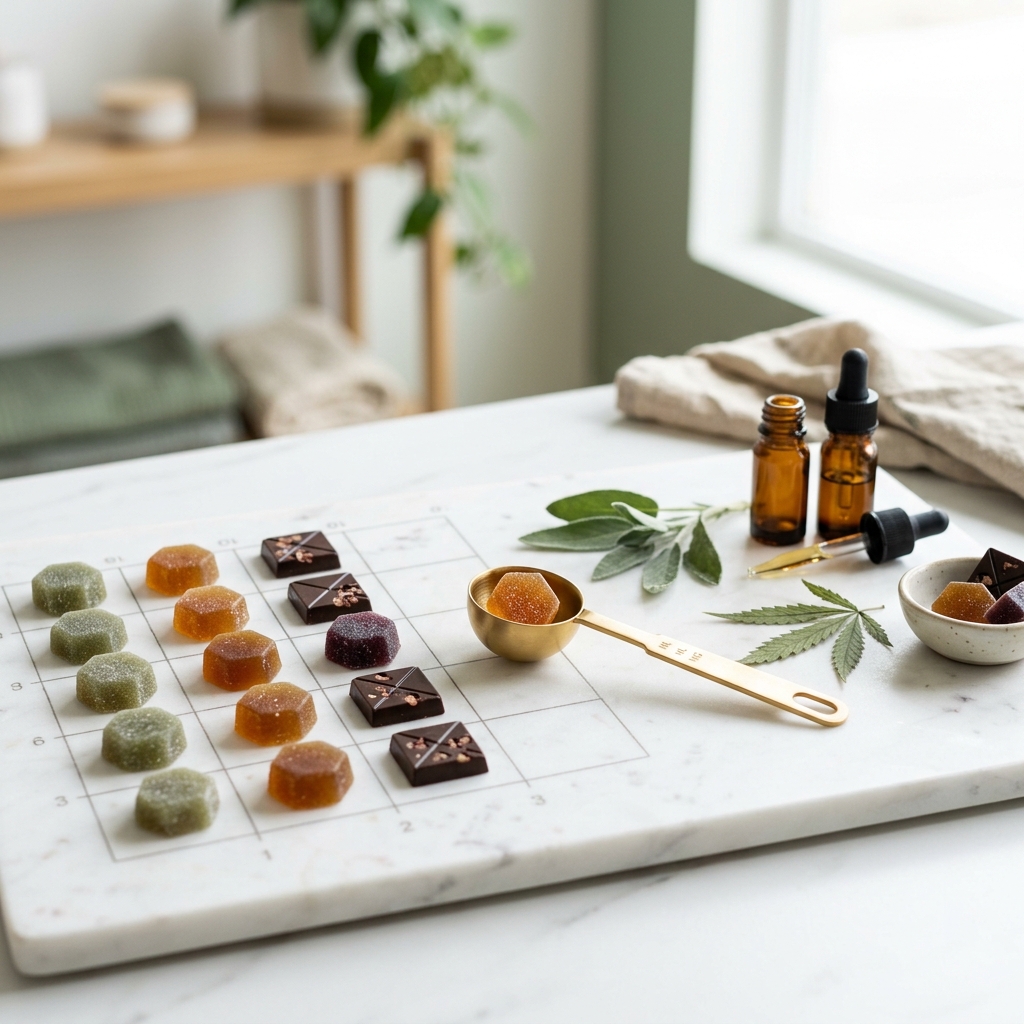
Walking into a Michigan dispensary and staring at a wall of cannabis edibles can feel overwhelming. Gummies, chocolates, beverages, mints — they all promise relaxation, sleep, or a good time. But not every package contains what you'd actually want to put in your body. Some edibles are made with clean, tested ingredients and quality cannabis extract. Others cut corners with artificial dyes, mystery "proprietary blends," and extracts of questionable origin. This guide shows Metro Detroit shoppers exactly what to look for, what to walk away from, and how to read the Michigan CRA labels and lab tests that separate quality products from cheap imitations.
The edible market is exploding — projected to grow from $17.1 billion in 2026 to over $60 billion by 2035, according to GM Insights Cannabis Edibles Market Report 2026-2035. More products means more choice, but also more variation in quality. Learning to read between the lines on a package and a lab report is the difference between a product that helps you and one that wastes your money (or worse, makes you feel lousy).
How to Spot Quality Ingredients vs. Cheap Fillers #
Quality edibles list real food ingredients you recognize. Cheap edibles hide behind vague terms like "natural flavors" and "proprietary cannabis extract," which researchers have identified as a significant concern in product safety studies. The ingredient panel tells you more about the product than the fancy packaging ever will, as noted in the NIH PMC5260817 edibles review.
Green Flags: What to Look For #
| Quality Indicator | Why It Matters | Example |
|---|---|---|
| Specific cannabinoid amounts | You know exactly how much THC or CBD per serving | "5mg THC per gummy" |
| Full ingredient list | Transparency about what's inside | Sugar, tapioca syrup, fruit juice, cannabis extract |
| Named extract type | Tells you the quality of cannabis used | "Full-spectrum cannabis extract" or "cannabis distillate" |
| Natural colorants | Fewer synthetic additives | Beet juice, turmeric, spirulina for color |
| Batch number and lab info | Traceability to test results | "Tested by [Lab Name], Batch #12345" |
| Real food base | Better absorption and experience | Coconut oil, butter, cocoa, fruit puree |
Red Flags: What to Walk Away From #
| Warning Sign | Why It's a Problem | What to Do |
|---|---|---|
| "Proprietary cannabis extract blend" | Unknown source, unknown quality | Choose products that specify extract type |
| No cannabinoid numbers | Can't dose safely | Skip entirely |
| Long list of unpronounceable chemicals | Fillers, stabilizers, mystery ingredients | Look for simpler ingredient lists |
| Candy-style packaging | Often indicates low-quality, child-appealing design | Choose plain, professional packaging |
| No lab testing mentioned | No verification of safety or potency | Only buy tested products |
| Artificial dyes high on the list | Unnecessary synthetic additives | Choose naturally colored options |
The Extract Quality Hierarchy #
Not all cannabis extracts are equal. Here's how they rank from most to least desirable for edibles:
Full-spectrum cannabis oil — Whole plant extract with all cannabinoids and terpenes intact. The gold standard for edibles.
Broad-spectrum cannabis oil — Multiple cannabinoids but THC removed. Good for those avoiding THC entirely.
Cannabis distillate — Pure THC or CBD, no terpenes. Potent but lacks the nuanced effects of full-spectrum.
Cannabis isolate — Single cannabinoid crystal (THC or CBD only). The most limited effects profile.
"Hemp-derived" or "compliant" mystery oil — Often low-quality, mass-produced extracts with minimal testing.
The bottom line: If the label doesn't specify what kind of extract they used, assume it's the cheapest option available. Quality brands proudly advertise full-spectrum or single-origin extracts.
Full-Spectrum vs. Broad-Spectrum vs. Isolate: What's the Difference? #
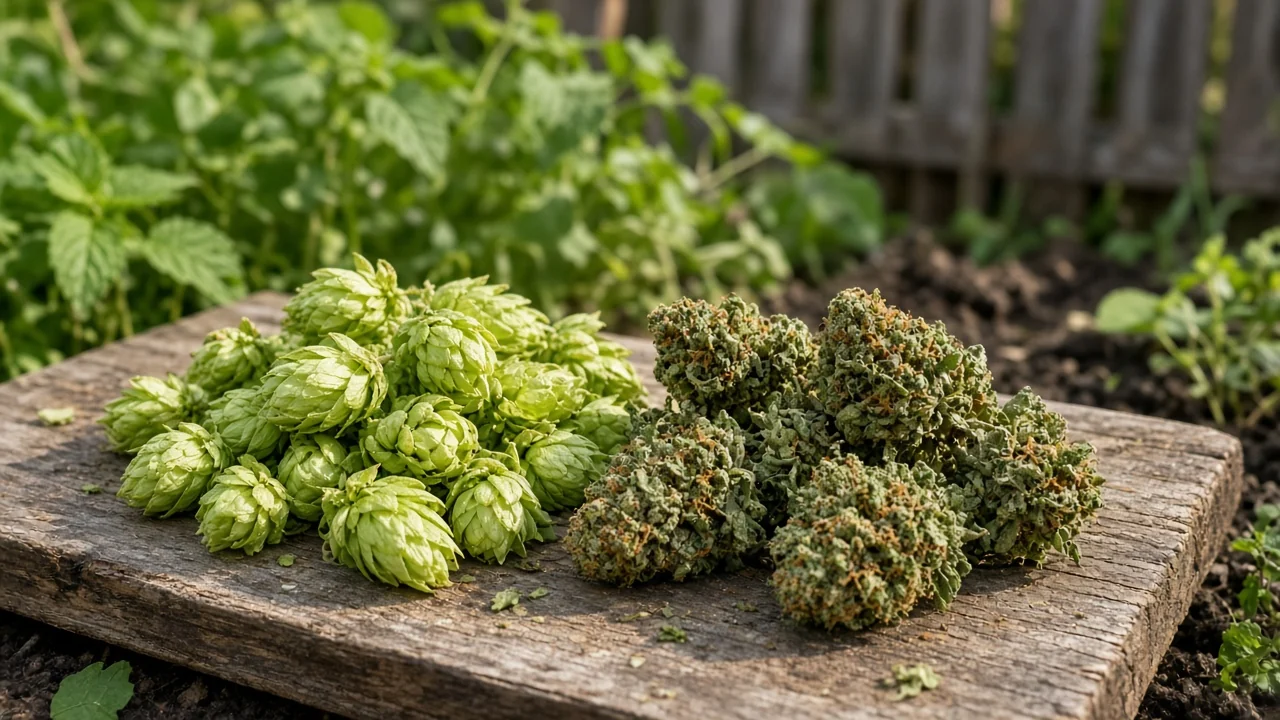
Full-spectrum, broad-spectrum, and isolate refer to how much of the cannabis plant makes it into the final product. Full-spectrum keeps the most plant compounds. Broad-spectrum keeps many but removes THC. Isolate keeps only one cannabinoid, usually just THC or just CBD. This choice shapes everything from how the edible feels to whether it might show up on a drug test.
The Three Types Explained #
| Type | What's Inside | THC Content | Best For |
|---|---|---|---|
| Full-spectrum | All cannabinoids + terpenes + flavonoids | Yes (up to 0.3% in hemp-derived) | People wanting the complete plant experience |
| Broad-spectrum | Multiple cannabinoids + terpenes | No THC | Those avoiding THC for drug test or preference |
| Isolate | Single cannabinoid only | THC-only or CBD-only | Precise dosing, no other compounds |
Understanding the Entourage Effect #
The entourage effect is the idea that cannabis compounds work better together than alone. Think of it like a meal — eating whole foods gives you nutrients that work together in ways isolated vitamins don't replicate.
What the research shows:
- Myrcene + THC produces more sleepiness and muscle relaxation than THC alone
- Limonene + THC lifts mood while reducing anxiety potential
- Beta-caryophyllene + CBD provides stronger effects for swelling and discomfort
- Linalool + THC helps counteract the anxiety that THC can cause at higher doses
The honest caveat: While many studies support the entourage effect concept, the evidence base is still developing, as noted in Healthline's guide on CBD types. What we know for certain is that people consistently report different experiences from full-spectrum versus isolate products, even at the same THC milligram count.
Which Type Should You Choose? #
Choose full-spectrum if:
- You want the most complete cannabis experience
- You are not concerned about drug testing
- You value the nuanced effects from terpenes
- You are using cannabis for sleep, pain, or anxiety (terpenes add therapeutic dimensions)
Choose broad-spectrum if:
- You want multiple cannabinoids but need to avoid THC
- You are sensitive to THC's psychoactive effects
- You face workplace drug testing that detects any THC
- You want some entourage benefits without the high
Choose isolate if:
- You need precise, predictable dosing
- You are sensitive to other cannabinoids or terpenes
- You must avoid THC completely for drug testing
- You want the simplest, most controlled experience
What This Means for Buying Edibles #
When scanning edible packages, look for:
- "Full-spectrum" or "whole-plant extract" — indicates quality, comprehensive extract
- "THC distillate" or "cannabis distillate" — pure THC, no terpenes, straightforward but limited
- "Broad-spectrum" — multiple cannabinoids, no THC, middle ground option
- "CBD isolate" or "THC isolate" — single compound only
Avoid: "Cannabis extract" without specification. This usually means the cheapest available option, often mass-produced distillate of questionable origin.
How to Read a Cannabis Edible COA (Certificate of Analysis) #
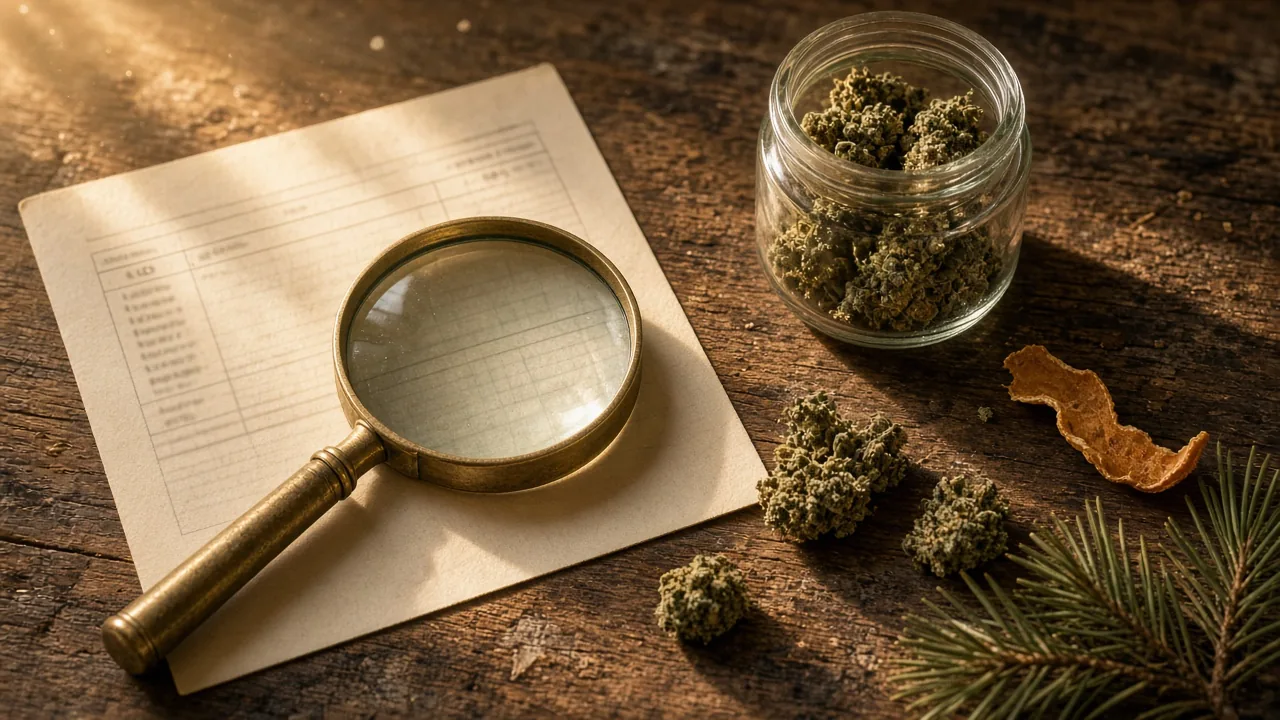
A Certificate of Analysis (COA) is the lab report that proves what's actually in your edible. It shows potency, safety, and whether the product matches what the label claims, as explained in the ACS Laboratory COA guide. Every quality edible has one. If a brand won't show you their COA, that's reason enough to walk away.
In Michigan, the sealed package sticker is the legal summary. Under Michigan CRA labeling rule R 420.504, products sold at a sales location must show lab-reported THC and CBD, a note that actual values may vary by 10%, lab identity, net weight, and required warnings. Treat that sticker as the dose map; ask for the batch COA when you want the full contaminant panel Detroit-area counters should keep on hand.
What a COA Tells You #
A proper COA covers three main areas:
- Potency — How much THC, CBD, and other cannabinoids are present
- Safety — Whether contaminants were found
- Quality markers — Things like moisture content and homogeneity (even distribution)
The COA Checklist: What to Verify #
| Section | What to Look For | Pass/Fail Criteria |
|---|---|---|
| Cannabinoid potency | Total THC per serving, CBD content, minor cannabinoids | Matches or is close to label claims (within 10-15%) |
| THC breakdown | Delta-9 THC, THCA (if flower-based) | Total THC clearly calculated |
| Microbial testing | Mold, yeast, E. coli, Salmonella, Aspergillus | All show "PASS" or "Not Detected", per ACS Laboratory COA guide |
| Mycotoxins | Toxins from mold (aflatoxins, ochratoxin) | Below action limits or not detected |
| Heavy metals | Lead, arsenic, cadmium, mercury | Below state limits (varies by state), per ACS Laboratory COA guide |
| Pesticides | Residue from growing | Below legal thresholds |
| Residual solvents | Butane, ethanol, propane, acetone (from extraction) | Below safety limits, per NIH PMC5260817 edibles review |
| Homogeneity | Even distribution of cannabinoids | Passes uniformity test |
| Water activity | Moisture content (mold risk indicator) | Below 0.65 for gummies |
Reading the Cannabinoid Numbers #
The potency section shows cannabinoid content in milligrams per gram (mg/g) or as a percentage. Here's how to interpret it:
For a 5mg THC gummy:
- The COA should show approximately 5mg delta-9 THC per piece
- If it shows 4.5mg or 5.5mg, that's normal lab variation
- If it shows 2mg or 8mg, the product has dosing problems
Total THC calculation: Some COAs show both delta-9 THC and THCA (the raw form). The formula is: Total THC = Delta-9 THC + (THCA × 0.877)
This matters for flower-based edibles. For distillate-based products, you're usually seeing delta-9 THC only.
Safety Red Flags on a COA #
| Red Flag | What It Means | What to Do |
|---|---|---|
| "Fail" on any microbial test | Potential contamination | Do not consume |
| Heavy metals above limits | Unsafe consumption levels | Choose a different product |
| No residual solvent testing | Unknown extraction quality | Request complete COA |
| Pesticides detected above limits | Contaminated starting material | Avoid the brand |
| No batch number match | COA might not match your product | Verify with manufacturer |
How to Access a COA #
Most reputable brands provide COAs in one of these ways:
- QR code on the package — Scan to view the lab report
- Website lookup — Enter batch number on the brand's site
- Request by email — Contact the company directly
- Dispensary binder — Some shops keep physical copies
Pro tip: Always verify that the batch number on your package matches the batch number on the COA. A legitimate company tests every batch, not just once for marketing.
Dosing Guide: How Much THC to Start With #
The most common mistake with edibles is taking too much, too soon. Unlike smoking, where you feel effects in minutes and can stop, edibles take 30-90 minutes to kick in and last 4-8 hours, as confirmed by Leafly's Edible Dosing Guide. Starting low isn't being cautious — it's being smart.
Michigan adult-use shelves reinforce that math. Per the CRA's maximum THC bulletin under R 420.404, adult-use infused edibles may contain no more than 10 mg THC per dose and 200 mg THC per package. A full labeled Michigan serving can already sit at that 10 mg ceiling — split pieces when the product allows, and treat the package max as a legal limit, not a first-night target.
The Dosing Tiers by Experience Level #
| Dose Range | Best For | What to Expect | When to Take More |
|---|---|---|---|
| 1-2.5 mg | First-timers, microdosers | Subtle mood lift, mild relaxation, minimal to no high | Wait 2+ hours, then increase by 1-2.5mg next time, per Leafly's Edible Dosing Guide |
| 2.5-5 mg | Beginners, low tolerance | Noticeable calm, gentle euphoria, light sensory enhancement | Wait 2+ hours, increase by 2.5mg if needed |
| 5-10 mg | Regular consumers | Standard recreational effects, clear psychoactivity | Wait 2+ hours, assess before redosing |
| 10-25 mg | Experienced users | Strong effects, significant impairment | Not recommended for same session |
| 25-50 mg | High tolerance users | Intense, long-lasting effects | Only for those who know their tolerance well |
| 50 mg+ | Medical/ultra-tolerance | Very strong, potentially overwhelming | Only under medical guidance |
Why Starting at 2.5mg Makes Sense #
Most bad edible experiences happen because people start at 5-10mg or higher. Here's why 2.5mg is the sweet spot for beginners, per Leafly's Edible Dosing Guide:
- You can always take more next time. You cannot undo what you already ate.
- Individual variation is huge. Some people feel 2.5mg strongly. Others barely notice 10mg. There's no way to predict your response.
- Edibles convert THC in your liver. Your liver turns delta-9-THC into 11-hydroxy-THC, which crosses into your brain more efficiently and produces stronger effects than the same amount smoked.
- Duration matters. A too-strong edible doesn't just pass in an hour. You're committing to 4-8 hours of experience. Starting low lets you learn your response without being overwhelmed.
The Waiting Rule #
Wait a full 2 hours before taking more. This is non-negotiable, according to Leafly's Edible Dosing Guide.
Edibles are unpredictable because:
- Stomach contents change absorption. Empty stomach = faster, stronger onset. Full stomach = slower, delayed onset.
- Metabolism varies. Some people's liver enzymes convert THC faster than others.
- Product consistency varies. Even lab-tested edibles can have slight variations piece to piece.
The classic mistake: "I don't feel anything after 45 minutes, so I'll take another." Then both doses hit at once at the 90-minute mark.
Dosing Tips for Different Goals #
| Goal | Starting Dose | Notes |
|---|---|---|
| Sleep support | 5-10 mg THC | Often combined with CBN for enhanced sedative effects |
| Anxiety relief | 2.5-5 mg THC | Lower doses reduce anxiety; higher doses can increase it |
| Pain management | 5-10 mg THC | May need CBD alongside for inflammation-related pain |
| Social relaxation | 2.5-5 mg THC | Keeps you functional and conversational |
| Creative work | 2.5 mg THC | Microdose range, subtle enhancement without impairment |
For a deeper dive into dosing and timing, see our complete edibles dosing guide. And if you're interested in the benefits of very low doses, our guide to microdosing cannabis covers the 1-5mg range in detail.
Red Flag Ingredients to Avoid in Cannabis Gummies #
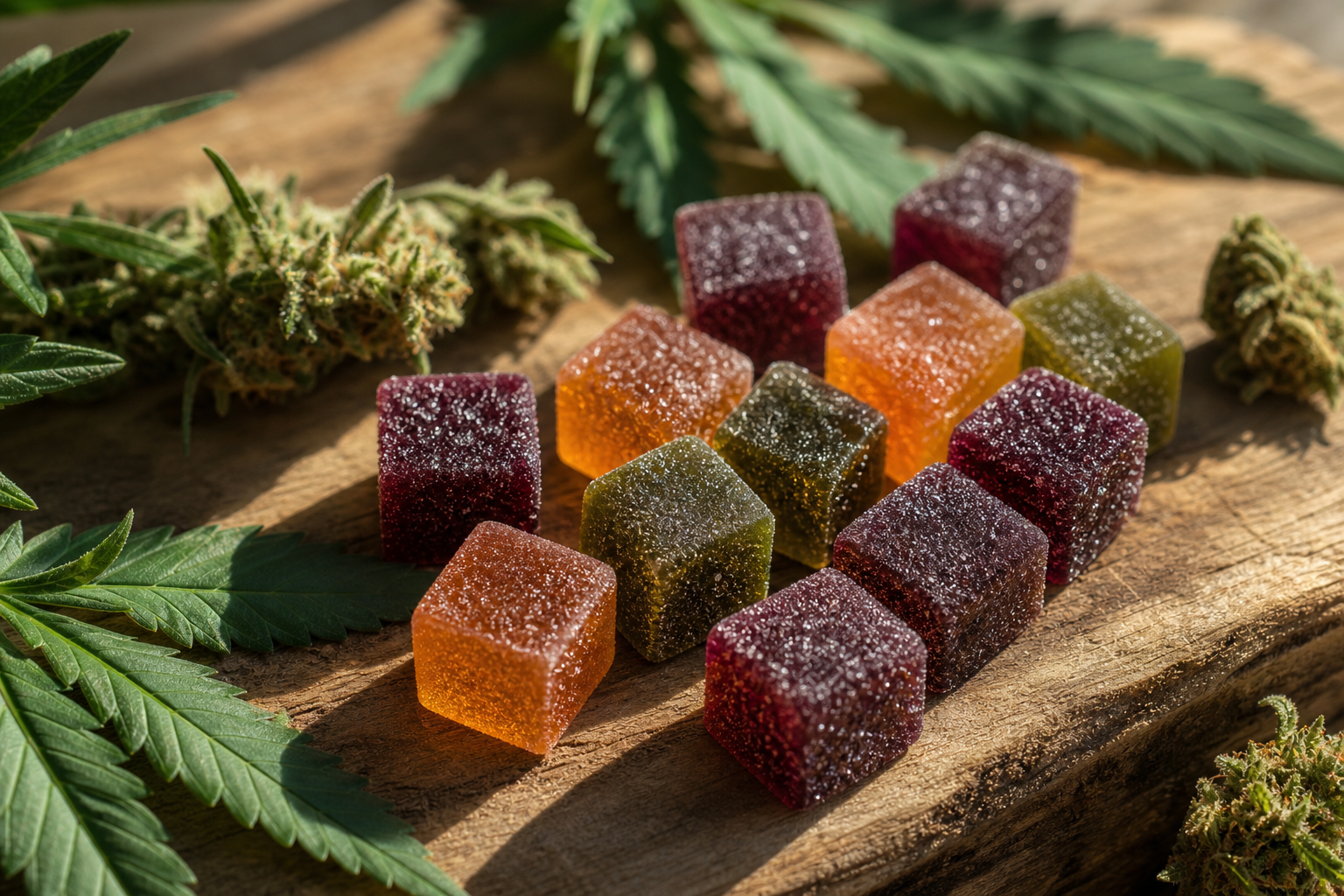
Cannabis gummies are the most popular edible format, but they're also where manufacturers cut the most corners. Bright colors, candy flavors, and low prices often mask low-quality ingredients that you'd never choose if you saw them clearly listed.
Artificial Colors: What to Watch For #
The most common artificial dyes in cannabis gummies include, per Healthline's guide on food dyes:
| Dye | Common Name | Concerns |
|---|---|---|
| Red 40 | Allura Red AC | Most widely used; linked to hyperactivity in sensitive children |
| Yellow 5 | Tartrazine | Can trigger allergic reactions, especially in people with asthma |
| Yellow 6 | Sunset Yellow | Similar concerns to other synthetic dyes |
| Blue 1 | Brilliant Blue | Generally considered safer but still synthetic |
| Blue 2 | Indigo Carmine | Less common but still artificial |
The reality check: For most healthy adults, occasional exposure to these dyes isn't a major health risk, per Healthline's cannabis edibles health risks analysis. The bigger concerns are:
- Cumulative exposure — regular daily consumption adds up
- Sensitivity reactions — some people get headaches, skin irritation, or digestive upset
- Children and sensitive individuals — ADHD, autism spectrum, and asthma can correlate with dye sensitivity
- Quality signaling — brands using cheap artificial dyes often cut corners elsewhere too
Artificial Sweeteners and Sugar Alcohols #
Many "low-sugar" or "keto-friendly" gummies use alternative sweeteners:
| Sweetener | Type | What to Know |
|---|---|---|
| Sorbitol | Sugar alcohol | Can cause gas, bloating, diarrhea in sensitive people |
| Maltitol | Sugar alcohol | Common digestive upset, especially at higher doses |
| Erythritol | Sugar alcohol | Generally better tolerated than others |
| Sucralose | Artificial | Long-term health effects still debated |
| Acesulfame potassium | Artificial | Often blended with other sweeteners |
The practical take: If you eat one gummy, sugar alcohols probably won't bother you. If you're taking multiple gummies daily for medical reasons, digestive side effects become more likely.
The "Proprietary Blend" Problem #
"Proprietary cannabis extract blend" is code for "we don't want to tell you what this is" — a labeling practice researchers flagged as problematic in the NIH PMC5260817 edibles review. Quality brands specify:
- The extraction method (CO2, ethanol, solventless)
- Whether it's full-spectrum, broad-spectrum, or isolate
- The source material (flower trim, whole flower, etc.)
Be especially wary of:
- Imported hemp extracts with minimal testing
- "Cannabinoid blend" without specifying which ones
- "Hemp-derived THC" from unknown sources
- Any extract that doesn't list a batch number for traceability
Preservatives and Stabilizers to Question #
| Ingredient | Purpose | Consideration |
|---|---|---|
| Sodium benzoate | Preservative | Generally recognized as safe but unnecessary in quality products |
| Potassium sorbate | Mold inhibitor | Common, low risk, but indicates shelf-stability focus |
| Carrageenan | Thickener | Some digestive sensitivity concerns |
| Artificial flavors | Taste masking | Often indicates low-quality base ingredients |
What Clean Gummies Look Like #
Quality cannabis gummies typically contain:
- Real fruit juice or puree for flavor
- Natural colorants (beet juice, turmeric, spirulina, elderberry)
- Cane sugar or tapioca syrup (not high-fructose corn syrup)
- Pectin or gelatin from known sources
- Named cannabis extract with batch traceability
The price reality: Clean ingredients cost more. If gummies are significantly cheaper than competitors, they're cutting corners somewhere — ingredients, testing, or extract quality.
Natural vs. Artificial: What Matters and What Doesn't #
The "all natural" label gets thrown around a lot in cannabis marketing. But not everything artificial is harmful, and not everything natural is automatically better. Here's how to think clearly about the ingredients in your edibles.
Where "Natural" Actually Matters #
Cannabis extract quality — This is the star ingredient. A natural, full-spectrum extract from clean-grown flower beats a highly processed isolate every time for most users. The entourage effect from terpenes and minor cannabinoids creates a more rounded, beneficial experience.
Flavor sources — Real fruit juice versus "natural flavors" (which can be dozens of chemicals derived from natural sources but heavily processed) makes a difference in taste and often indicates overall product philosophy.
Colorants — Natural colors like beet juice, turmeric, and spirulina add minor nutritional value and avoid the dye sensitivity issues some people experience.
Where "Natural" Is Mostly Marketing #
"All natural" as a label — This term isn't regulated in the cannabis industry. A product can claim "all natural" while still containing synthetic additives, processed ingredients, and low-quality extracts.
Organic certification — While valuable for the cannabis plant itself (ensuring no pesticides), organic certification of the gummy base matters less. Non-organic sugar and gelatin aren't health risks.
"Chemical-free" claims — Everything is made of chemicals. Water is a chemical. This phrase is meaningless. What matters is which specific compounds are present and in what amounts.
Artificial Ingredients That Are Probably Fine #
Some synthetic ingredients have extensive safety data and serve useful purposes:
| Ingredient | Function | Safety Assessment |
|---|---|---|
| Citric acid | Preservative, tart flavor | Naturally occurring, even when synthesized |
| Ascorbic acid (vitamin C) | Preservative, antioxidant | Essential nutrient |
| Soy lecithin | Emulsifier | Well-tolerated by most people |
| MCT oil | Carrier for cannabinoids | Clean, effective option |
The Real Priorities for Clean Edibles #
Instead of chasing the "all natural" label, prioritize these factors in order:
- Verified lab testing (COA) — Safety and potency confirmation
- Quality cannabis extract — Full-spectrum or known-origin distillate
- Transparent ingredient list — You can see and understand everything
- Accurate dosing — Consistent milligrams per serving
- Minimal unnecessary additives — Fewer ingredients overall
- Responsible packaging — Child-resistant, not candy-imitating
The Divine Toke Perspective #
At Divine Toke, our Detroit-based sun-grown cultivation facility focuses on the fundamentals: clean cannabis grown in living soil, properly tested, and honestly labeled. We believe the quality of the cannabis matters more than whether the gummy uses organic cane sugar or conventional sugar.
When we talk about "clean edibles," we mean:
- Cannabis grown without synthetic pesticides
- Extracts that preserve beneficial compounds
- Honest labeling about what's inside
- Rigorous testing for safety and potency
The rest — whether your gummy is purple from elderberry juice or FD&C Blue #1 — is secondary. Choose natural when available and affordable, but don't let perfect be the enemy of good when the cannabis quality is high.
The Edible Shopping Decision Checklist #
Print this checklist or save it to your phone. Run through it before buying any cannabis edible. Over time, these questions become second nature — and they'll save you from wasting money on products that don't meet basic quality standards.
The Pre-Purchase Checklist #
Cannabinoid Clarity
- Does the label clearly state THC milligrams per serving?
- Is CBD content listed (if relevant to your goals)?
- Does the total package THC match the per-serving amount times servings?
- Is the extract type specified (full-spectrum, broad-spectrum, isolate, distillate)?
Lab Testing Verification
- Is there a QR code or batch number for accessing the COA?
- Was testing done by a licensed third-party lab (not in-house)?
- Does the COA cover potency, microbial testing, and heavy metals?
- Do the dates on the COA seem recent (within the last year)?
Ingredient Quality
- Is the ingredient list complete and readable?
- Are artificial colors and flavors minimized or absent?
- Is the sweetener source acceptable to you (cane sugar, tapioca, or acceptable alternative)?
- Are there any ingredients you specifically want to avoid?
Brand and Source
- Does the brand have a reputation or reviews you can check?
- Is the product from a licensed dispensary (not the illicit market)?
- Is the packaging professional and child-resistant?
- Does the brand provide customer service contact information?
Quick Red Flag Test #
If you answer "yes" to any of these, consider a different product:
- No cannabinoid milligrams listed anywhere
- No mention of lab testing or COA
- Candy-like packaging that could appeal to children
- Extremely low price compared to similar products
- Long list of unrecognizable chemical ingredients
- "Proprietary blend" used to describe the cannabis extract
- Expiration date passed or not listed
The Dosing Decision Tree #
First time with edibles? → Choose a product with 2.5mg THC per piece (or one you can easily cut to that dose)
Have some experience but trying a new brand? → Start with your known comfortable dose, even if the product seems similar
Looking for specific effects (sleep, pain, anxiety)? → Consider full-spectrum for entourage benefits, or add CBN/CBD products to your THC
Concerned about drug testing? → Choose broad-spectrum or isolate products with verified zero THC
Sensitive to ingredients? → Look for minimal ingredient lists, natural colorants, and brands that list complete allergen information
Questions to Ask Your Budtender #
A good Michigan dispensary staff member should be able to answer:
- "What's the extract type in this edible?"
- "Can I see the COA for this batch?"
- "How consistent is the dosing batch to batch?"
- "What's the onset time for this specific product?"
- "Are there any common complaints about this brand?"
If they can't answer these basics, that's useful information about the shop's product knowledge — and a sign to do your own research. Budtenders can explain milligrams, formats, and label fields. They cannot diagnose you or promise a medical outcome. Michigan CRA advertising rules (R 420.507) bar deceptive health-benefit claims, so a solid Detroit-area counter stays on dose and ingredients — not cures.
Adult-use possession still follows the Michigan Regulation and Taxation of Marihuana Act: adults 21+ may generally possess up to 2.5 ounces of marihuana. If you're also grabbing flower or concentrates in the same trip, ask the shop how today's basket counts before you overbuy for a weekend.
When to Walk Away #
Hard passes:
- No lab testing available
- No cannabinoid content listed
- Packaging looks like mainstream candy
- Price seems too good to be true (it probably is)
- Negative reviews about inconsistency or safety
Proceed with caution:
- New brand with limited reviews
- Higher price without clear quality justification
- Ingredient list includes things you're unsure about
- Budtender can't answer basic questions
The edible market is vast. There's no reason to settle for questionable products when quality options are increasingly available.
What the 2025–2026 Edibles Market Means for Buyers #
The cannabis edibles market is exploding — from $14.8 billion in 2025 to a projected $17.1 billion in 2026 and $60 billion by 2035. More money flowing in means more innovation, but also more products of questionable quality chasing the hype.
Key Trends Shaping Your Choices #
Fast-Acting Edibles Are Everywhere
Traditional edibles take 45-90 minutes to kick in because they must travel through your digestive system and liver. New "nano-emulsified" or "water-soluble" products claim onset as fast as 15-30 minutes.
What this means for you:
- Faster onset can be convenient for social situations
- The technology is real but not perfectly consistent
- Fast-acting edibles often cost more
- The same dosing rules apply — start low and wait before taking more
Functional Edibles Are Expanding
Products marketed for specific purposes — sleep, focus, recovery, social ease — are flooding the market. These often combine THC with other supplements like melatonin, L-theanine, or adaptogens.
What this means for you:
- Marketing often exceeds evidence for these combinations
- Start with simple formulations before trying complex blends
- Be aware of interactions if you take other supplements or medications
- Track your response carefully when combining multiple active ingredients
Beverages Are the Fastest-Growing Format
Cannabis-infused drinks are surging in popularity. They offer discreet consumption, familiar formats (soda, tea, mocktails), and often faster onset than traditional edibles.
What this means for you:
- Easier to sip slowly and control your dose
- Social format feels more familiar than eating a gummy
- Often lower dose per serving (2.5-5mg) — good for beginners
- Check serving sizes carefully — a can might be 2-3 doses
Premium and Clean-Label Products Are Rising
As the market matures, consumers are demanding more: organic ingredients, natural colorants, sustainable packaging, and transparent sourcing.
What this means for you:
- More options that align with quality and health values
- Premium products cost more but often deliver better experiences
- The "clean label" trend is pushing all brands to improve
- You can increasingly find products that match both your wellness goals and your ethics
What Hasn't Changed #
Despite all the innovation, the fundamentals remain:
- Start with 2.5mg if you're new — regardless of the product's marketing
- Wait 2 hours before redosing — fast-acting claims don't mean instant
- Read the COA — every quality brand provides lab results
- Check your state laws — regulations vary and change frequently
The Market in Context #
The explosive growth means two things for consumers:
More good options: The industry is maturing. Testing standards are improving. Quality brands are investing in better ingredients and more consistent manufacturing. You have more legitimate choices than ever.
More noise to cut through: The marketing is getting louder. Claims about "nano-technology," "proprietary formulas," and "enhanced bioavailability" are often more hype than substance. The fundamentals in this guide — lab testing, clear labeling, quality extracts, appropriate dosing — remain your best filter.
At Divine Toke, we're watching these trends from our Detroit cultivation facility. We see the same market dynamics you do: exciting innovation alongside persistent quality problems. Our approach stays consistent — sun-grown organic cannabis, honest labeling, rigorous testing, and education over hype.
FAQ: Your Edible Buying Questions Answered #
Q: How do I know if an edible is high quality? #
A: Quality edibles have three non-negotiable features: verified lab testing (COA), clear cannabinoid labeling, and a readable ingredient list. Look for batch-specific testing from third-party labs, milligram counts per serving that match your needs, and ingredients you recognize. The package should list the extract type (full-spectrum, distillate, etc.) and provide a way to access the complete lab report — usually via QR code or website lookup.
Additional signs of quality: Child-resistant packaging, professional design (not candy-imitating), brand reputation or reviews, and clear expiration dates. If any of these are missing, proceed with caution or choose a different product.
Q: What is the safest dose for edible beginners? #
A: Start with 2.5mg of THC and wait a full 2 hours before considering more. This is the industry standard beginner recommendation for good reason. Edibles convert THC in your liver to a more potent form (11-hydroxy-THC), so 2.5mg eaten can feel stronger than 2.5mg would if smoked. On Michigan adult-use products, a full labeled serving can be up to 10 mg under R 420.404 — treat that as a ceiling for one piece, not an automatic starter dose.
Individual variation is enormous. Some people feel 2.5mg strongly. Others barely notice it. There's no way to predict your response, which is why starting low is essential. You can always increase your dose next time. You cannot undo what you've already consumed.
Q: Are full-spectrum edibles better than isolate? #
A: Full-spectrum edibles provide a more complete experience through the "entourage effect," but "better" depends on your goals. Full-spectrum contains all cannabinoids and terpenes from the plant, which work together to create nuanced effects. Research shows combinations like myrcene + THC produce more relaxation than THC alone. However, isolate offers precise, predictable dosing and zero THC — useful for drug testing concerns or those sensitive to other cannabinoids.
Choose full-spectrum for: Sleep support, pain management, anxiety relief, and those wanting the complete plant experience. Choose isolate for: Absolute dosing precision, avoiding THC entirely, or known sensitivity to terpenes and minor cannabinoids.
Q: What artificial colors should I avoid in cannabis gummies? #
A: The most common artificial dyes to minimize are Red 40, Yellow 5 (tartrazine), Yellow 6, Blue 1, and Blue 2. Yellow 5 is particularly noted for triggering allergic reactions in sensitive individuals, especially those with asthma. Red 40 is the most widely used synthetic dye and has been linked to hyperactivity in susceptible children.
For most healthy adults, occasional exposure to these dyes isn't a major health risk. Consider dye-free options if: You consume edibles regularly, have dye sensitivities, experience headaches or skin reactions from artificial colors, or are buying for children (who should not consume cannabis anyway). Quality brands increasingly use natural colorants like beet juice, turmeric, and spirulina.
Q: How do I read a cannabis edible COA? #
A: A COA (Certificate of Analysis) has three key sections: potency, safety testing, and quality markers. Start by checking that the cannabinoid amounts match the label claims — THC per serving should be within 10-15% of what's promised. Then verify all safety tests show "PASS" or "Not Detected": microbial contaminants (mold, E. coli, Salmonella), mycotoxins, heavy metals (lead, arsenic, cadmium, mercury), pesticides, and residual solvents.
Critical details to confirm: The batch number on the COA matches your package, testing was done by a licensed third-party lab (not the manufacturer), and the test date is recent. For edibles specifically, look for "homogeneity" or "uniformity" testing — this confirms cannabinoids are evenly distributed so one gummy isn't stronger than another.
Q: How long do edibles take to kick in? #
A: Traditional edibles take 30-90 minutes to produce effects, with peak intensity at 2-3 hours and total duration of 4-8 hours, according to Leafly's Edible Dosing Guide. New "fast-acting" or "nano-emulsified" products may begin working in 15-30 minutes, but effects still develop gradually rather than hitting all at once.
Factors affecting onset time: Empty stomach (faster, stronger), full stomach (slower, more gradual), individual metabolism (some liver enzymes process THC faster), and product formulation (fat content affects absorption). The universal rule: wait a full 2 hours before taking more, regardless of what you feel or don't feel.
Q: Can I make my own edibles from Divine Toke flower? #
A: Yes, and it's one of the best ways to ensure quality control. Making edibles from Divine Toke's sun-grown organic flower means you know exactly where your cannabis came from and how it was grown. The process requires decarboxylation — heating flower at 240°F for 40 minutes to activate the THC — then infusing into butter, coconut oil, or another fat source.
Benefits of DIY: You control the strain selection (different terpene profiles create different effects), know the starting quality, can adjust potency to your exact preference, and avoid commercial additives entirely. The challenge: Accurate dosing requires math and careful measurement. Start with small test batches until you understand your infusion strength.
Q: Are cannabis beverages better than gummies? #
A: Beverages offer different advantages, not necessarily "better." Cannabis drinks typically have faster onset (often 15-45 minutes), lower doses per serving (2.5-5mg is common), and feel more socially familiar — sipping a THC seltzer feels like drinking a beer or soda rather than eating candy.
Gummies offer: Longer shelf stability, more precise individual dosing, discreet portability, and wider availability. Beverages offer: Easier dose control (sip slowly), faster onset for impatient users, and a format that feels less like "taking drugs." The choice depends on: Your timing needs, social context, and personal preferences around consumption rituals.
Q: What does "homogeneity tested" mean on an edible label? #
A: Homogeneity testing verifies that cannabinoids are evenly distributed throughout the product. In a batch of gummies, homogeneity testing confirms that the first gummy, middle gummy, and last gummy all contain approximately the same amount of THC. Without this, you might get one piece with 2mg and another with 8mg from the same package.
Why it matters: Inconsistent dosing makes finding your ideal amount impossible. You can't learn your response if the product varies piece to piece. Quality manufacturers test for homogeneity and adjust their mixing processes to ensure uniformity. Look for "homogeneity" or "uniformity" on the COA — it should show a passing result with low variation between samples.
Q: Should I avoid edibles with sugar alcohols? #
A: Sugar alcohols (sorbitol, maltitol, erythritol) are generally safe but can cause digestive upset in some people. If you eat one 5mg gummy containing sugar alcohols, you'll likely experience no issues. If you consume multiple gummies daily, gas, bloating, or diarrhea become more likely — especially with maltitol and sorbitol.
Erythritol is typically the best-tolerated sugar alcohol. If you have sensitive digestion, IBS, or consume edibles regularly for medical purposes, consider products sweetened with cane sugar, tapioca syrup, or small amounts of erythritol rather than other sugar alcohols. Reading reviews can also help — digestive complaints often show up in user feedback.
Q: How do I know if an edible has been lab tested? #
A: Legally sold cannabis edibles in licensed dispensaries are required to be lab tested, but the accessibility of those results varies. Look for a QR code on the package that links to the COA, a batch number you can enter on the brand's website, or ask your budtender to show you the testing documentation.
Red flags that suggest inadequate testing: No mention of testing anywhere on the package, no batch number for traceability, extremely low pricing compared to competitors, or purchasing from unlicensed sources. Never buy edibles from the illicit market — you have zero verification of what's actually inside, and contamination risks are significantly higher.
Q: What is the difference between distillate and full-spectrum edibles? #
A: Distillate edibles contain pure THC (or CBD) with no other plant compounds. Full-spectrum edibles contain the complete range of cannabinoids and terpenes from the original plant. This difference fundamentally changes your experience.
Distillate characteristics: Clear, precise, consistent, purely THC effects. Often described as "clinical" or "one-dimensional." Full-spectrum characteristics: Complex, nuanced, varies by strain, entourage-enhanced effects. Often described as "rounded," "complete," or "plant-like."
Practical implications: A 10mg distillate edible and a 10mg full-spectrum edible both deliver 10mg of THC, but the full-spectrum version includes supporting compounds that modify how that THC feels. Many users find full-spectrum more pleasant and less prone to anxiety, while distillate offers predictable, repeatable experiences. Neither is objectively superior — it's a preference and goals question.
Finding Quality Edibles That Work for You #
The edible market will keep growing, evolving, and shouting for your attention. New formats, faster onset, "enhanced" formulas — the innovation is real, but so is the noise. This guide gives you the fundamentals that won't change: know your dose, read the lab test, understand what's in the product, and start low every time you try something new.
Quality edibles exist at every price point, but cheap edibles are usually cheap for a reason. The extra few dollars for lab-tested, clearly labeled, full-spectrum products pays off in consistent experiences, safety, and knowing exactly what you're putting in your body.
If you're curious to explore edibles made with clean, sun-grown organic cannabis, visit our shop and ask about our selection of tested, traceable products. We prioritize full-spectrum extracts, natural ingredients when possible, and complete transparency about what's inside — because you deserve to know.
Keep Reading #
- Edibles 101: Dosing, Onset, and Why Quality Ingredients Matter — A complete guide to how edibles work in your body and dosing by experience level
- Microdosing Cannabis: Less Weed, Better Results — The benefits and techniques for taking 1-5mg doses
- Indica vs. Sativa vs. Hybrid: What Actually Matters — Why terpenes matter more than outdated strain categories
This article is for educational purposes only and is not medical advice. Always consult your healthcare provider before starting any new wellness routine, especially if you're pregnant, nursing, taking prescription medications, or have a medical condition. Start low, go slow, and never drive or operate machinery after consuming cannabis.
Grown in Detroit. Shipped to your door.
Small-batch, sun-grown cannabis cultivated in living soil. Mail-order shipping to all 50 states.