Why Cannabis Makes Minutes Feel Long
Why can a few minutes feel long after cannabis? Learn what THC timing studies say about attention, the brain, tolerance, and safer choices.
Questions this article answers
- Why can a few minutes feel long after cannabis?
- Why does a microwave take forever when I am high?
- Does THC slow down time?
- Why do songs feel longer when high?
- Does time distortion mean I took too much cannabis?
- Can I drive if cannabis makes time feel slow?

Head Cultivator
On this page
The microwave says 2:00 and it feels like ten. A song you love drags on like a whole album. In a 2013 lab study, people given THC through an IV guessed more time had passed than really had, and they ended some timing tasks early.
The digits keep changing at their usual speed. What shifts is how your brain tracks the wait.
Why Does Cannabis Make Minutes Feel Long? #
A few minutes can feel long after cannabis because THC can disrupt interval timing, the brain job of tracking a short wait. In controlled human tasks, people on THC often judged more time had passed than really had.
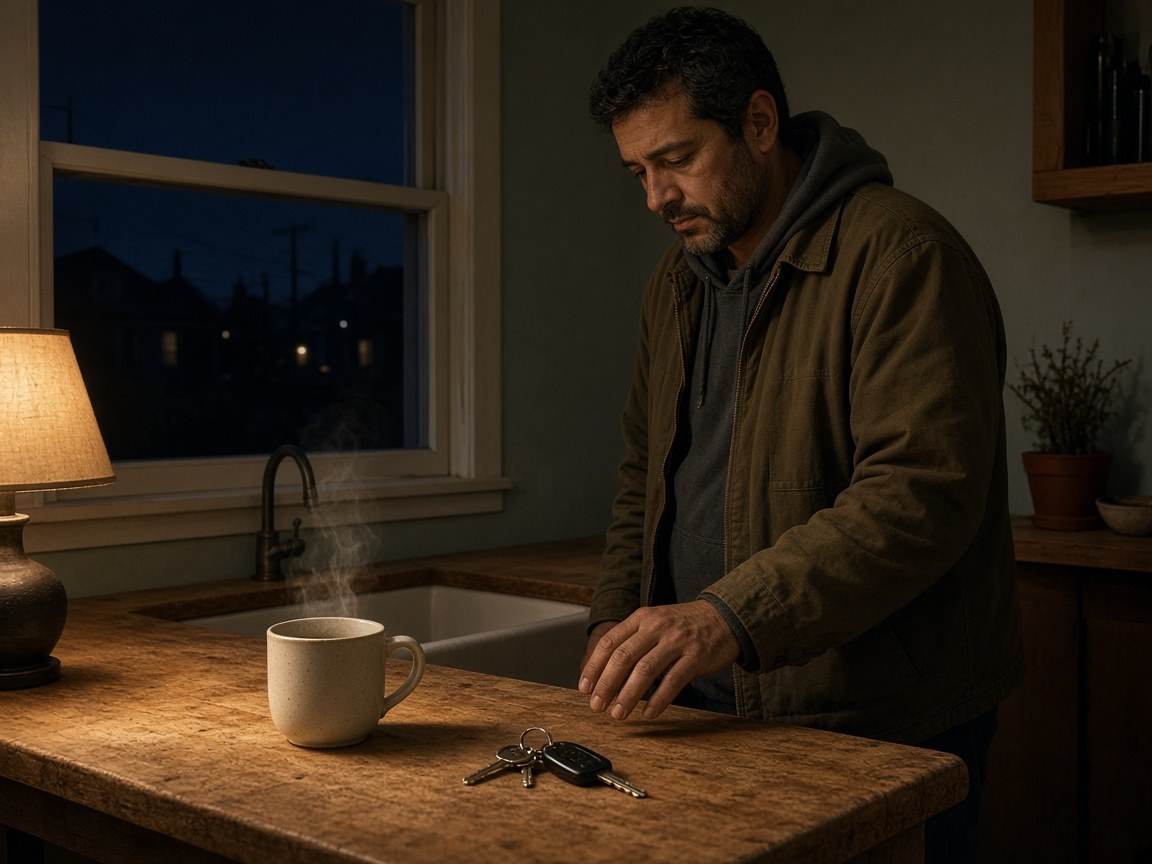
Think about standing at the microwave. It's running for two real minutes. Your estimate of those minutes is the part that gets weird.
Researchers call it time overestimation. Your brain counts off more time than the clock shows. You look at the oven, look away, look back, and feel sure it should be done.
The strongest direct evidence is a 2013 controlled THC study (PMC3581701). The research team gave intravenous THC or placebo to 44 people in double-blind, randomized, counterbalanced studies. Participants estimated and produced intervals measured in seconds. Across THC levels, people overestimated time and ended some timing tasks too early.
Treat that as a lab-only clue. It can't hand you a timer for your joint, your edible, or your kitchen. The test used short lab intervals. Your real night comes with music, hunger, sleep, worry, company, and whatever's lighting up your phone.
The National Institute on Drug Abuse lists altered time perception among cannabis effects, along with changes in thinking, memory, coordination, and judgment. Those can all pile onto the same wait.
Quick cheat sheet:
| If this happens | It may mean | It doesn't tell you |
|---|---|---|
| The microwave feels frozen | Your short-interval estimate shifted | The appliance or the room changed time |
| A song feels huge | Attention and memory are filling the experience | Every note runs longer on the clock |
| You keep checking the clock | THC, anxiety, or both pulled your attention onto the wait | You can judge your own driving |
| A few minutes feel strange | You're feeling intoxicated | You need more cannabis |
Stretched time is a felt effect, and it tells you nothing about whether you're sober. A slow minute is also a bad reason to take another hit because “nothing is happening.”
Say you're a parent waiting on dinner to beep. Let the timer finish. Don't chase the feeling with more THC. If you're heading out, the keys stay down.
Michigan adults 21 and older can use cannabis legally under state law, according to the Michigan Department of Health and Human Services. Legal doesn't make a stretched-time high safe for driving or running a late-shift machine. The timing science explains a feeling. It can't clear anyone to work, drive, or make a safety call.
What Did the Best Human THC Timing Study Find? #
The clearest human THC experiment found two matching changes: people overestimated elapsed seconds and produced target intervals too soon. That pairing fits the idea that THC can make the inner count run fast for a while.
The Sewell team’s 2013 paper went past asking people if they felt high. It gave THC through an IV in a controlled setting, which makes it lab-only evidence. The study pooled 44 participants across double-blind, placebo-controlled sessions and used several levels from 0.015 to 0.05 milligrams per kilogram.
Then came two simple jobs. In one, people estimated an interval. In the other, they signaled when a set interval should be over.
On THC, participants often said more time had passed than really had. They also stopped their own timing task before the real interval was up. Both results point the same way. Their running count hit “done” before the wall clock did.
The researchers called it a faster internal clock. Treat that as a model. Don't picture a tiny stopwatch sitting in one spot of your brain.
What “overestimation” and “underproduction” mean #
Overestimation means a real 20 seconds feels longer than 20 seconds. Underproduction means you call time early when asked to make a 20-second wait.
| Lab word | What the person does | Kitchen version |
|---|---|---|
| Overestimation | Reports too much time passed | “That microwave has been going forever.” |
| Underproduction | Stops a target wait too soon | You count to “two minutes” before two minutes pass |
| Interval timing | Tracks a short stretch of time | Waiting for a text, kettle, or red light |
| Tolerance | Has a smaller response after frequent exposure | The same amount may feel less different than it did before |
The 2013 finding needs a limit right next to it. The tasks lasted seconds. Nobody filmed people waiting on a city bus, sitting through a seven-minute song, or cooking after a double shift.
That gap matters because short lab timing and a remembered night are different jobs. A song can seem longer because you're locked into every detail. An hour can seem short later because you had fun and remember fewer clock checks. Your brain uses attention and memory in both directions.
The study also found that frequent cannabis users showed a weaker acute timing effect than infrequent users. That fits tolerance. It doesn't mean frequent use leaves anyone unimpaired. The CDC’s cannabis health-effects page still warns that cannabis can impair attention, memory, coordination, and reaction time.
Label numbers can't tell this story on their own. Two people can use the same flower and get different timing effects. Amount, route, tolerance, sleep, and setting all change the ride. That's one reason the high-isn’t-one-thing pillar keeps more than THC percentage in the picture.
Is There One THC Clock in the Cerebellum? #
The cerebellum helps with timing, yet it does not work as a solo THC clock. Human studies connect cerebellar changes with disturbed time sense, while the full timing job uses a wider brain network.
The cerebellum sits low in the back of the brain. You usually hear about it with balance and smooth movement. It also helps the brain predict timing: when a motion should start, how long it should take, and what comes next.
A small 1998 human imaging study by Mathew and colleagues linked THC-related changes in time sense with changes in cerebellar blood flow. That's a real clue, and it's lab-only. It doesn't prove one cerebellar switch makes a song feel endless.
The study is old and small. It belongs in the story as a lead. Nobody should read it as the last word.
Researchers now describe time tracking as a distributed network, with several regions sharing the work. The cerebellum helps with prediction and precise timing. The basal ganglia help with action and timing signals. The hippocampus helps organize memory. Attention systems decide what gets counted in the first place.
A 2025 animal study of a synthetic cannabinoid (PMC12824324) shows the limit. Rats given the compound had trouble with longer sensory intervals, while their short movement timing told a different story. That's a lab idea about rats. It can't tell a person how an edible or joint will feel.
Here's the map:
| Brain job | Plain meaning | What the evidence supports |
|---|---|---|
| Cerebellum | Predicting and fine-tuning timing | THC-linked changes have been associated with disturbed time sense in humans |
| Basal ganglia | Starting actions and tracking intervals | It's part of major timing models |
| Hippocampus | Organizing new memories | It may shape how long an event feels afterward |
| Attention systems | Choosing what you notice | They can make each second feel louder |
| CB1 receptors | THC docking points in the brain | They sit across regions involved in thought, movement, and timing |
For a shopper, the version that matters is smaller. THC reaches a system that handles prediction, memory, and attention. The wait can feel longer because several pieces of that system shift together.
For the receptor map behind this, our CB1 and CB2 guide explains why THC reaches so far, and why a body feeling and a head feeling can show up together.
Why dopamine and the basal ganglia enter the conversation #
Dopamine and the basal ganglia matter for time research, though direct human proof tying acute THC, dopamine, and a stretched minute remains thin. That is why “THC raises dopamine, so time slows” is too neat for the evidence.
The basal ganglia are deep brain areas that help choose actions and track patterns. Dopamine is a brain chemical tied to reward, motivation, learning, and timing signals. A 2021 review of dopamine, reward, and time perception (PMC9062982) puts dopamine-linked basal-ganglia circuits near the center of modern timing models.
That's why they're worth mentioning. The direct cannabis answer is less settled. Researchers still need human studies that measure THC, brain signaling, and time judgments in the same experiment.
So keep the claim modest. The cerebellum, basal ganglia, memory, and attention work as a team. THC may change how that team handles a short wait. Science hasn't found a single gear called the “high clock.”
Why Can a Microwave Drag While a Song Flies By? #
A microwave can drag because you are watching the wait, while a song can fly by because attention is busy inside the experience. Cannabis can change both kinds of timing, which is why one high may feel slow in one moment and fast in another.
Scientists split this into two buckets. Prospective timing means you know you're waiting and you keep tracking time. Retrospective timing means you look back later and ask how long something felt.
The first bucket is the microwave. You're staring at the clock, counting, waiting on a thing to finish.
The second bucket is a song, a movie, a laugh, or a late-night talk. You may barely check the time. Later, the memory can feel rich, long, short, or hard to sort.
THC can affect attention and memory, according to NIDA’s cannabis drug facts. That matters because timing takes more than numbers on a screen. Your brain has to notice the interval, hold it in mind, and compare it with earlier waits.
| Moment | Main timing job | Why it may feel strange after cannabis |
|---|---|---|
| Waiting for food | Prospective timing | You keep sampling the clock and body sensations |
| Sitting at a red light | Prospective timing | The target is simple, so the wait gets all your attention |
| Hearing a favorite song | Retrospective timing | Details, emotion, and memory can crowd the usual sense of pace |
| Watching a movie | Mixed timing | You may lose the clock, then remember many vivid moments |
| Riding home after a late show | Mixed timing | Noise, fatigue, friends, and stress all change attention |
So no clean rule says “weed always makes songs longer.” Music may feel spacious because you notice more parts of it. Another night, a whole album can vanish because you stopped checking the clock.
The cannabis-and-music post covers the listener side of that question. This article stays on the tighter point: an altered minute usually comes from the brain tracking an interval, attention, and memory together.
The density of a moment matters #
A period packed with sensations, thoughts, or worry can feel bigger than a plain wait. Cannabis can make body sensations and small details more noticeable, which may make a short interval feel crowded.
Take two evenings. On one, you're folding laundry with a show on in the background. On the other, you're high, thirsty, checking your heartbeat, and watching a timer.
The clock hands both evenings the same sixty seconds. Your attention spends them differently.
None of that makes the feeling fake. It just has more than one input.
Common inputs include:
- Where your attention lands. A buzzing phone or your own heartbeat can pull you off the task.
- How anxious you feel. Worry can turn each timer check into another long beat.
- How new the moment feels. New sounds, thoughts, and body sensations can fill memory.
- How tired you are. A hospital shift, plant shift, or long drive can change your focus before cannabis enters the picture.
- How much THC reached you. A larger amount can bring stronger effects and more confusion.
The CDC says cannabis can change attention, memory, coordination, and reaction time. That's why a story from your couch and a lab task can't count as the same measurement.
Use a stretched-time moment to get curious. Ask what was pulling your attention. Don't use it as a measure of potency, safety, or character.
Does THC Change Time for Everyone? #
THC does not change time the same way for everyone. Amount, route, tolerance, sleep, anxiety, food, and the setting can each change the effect.
The 2013 human study found a useful split. Infrequent users showed clearer timing changes after THC. Frequent users showed a smaller acute change under those study conditions.
That may reflect tolerance, which means repeated exposure can weaken the felt effect over time. It doesn't make a regular user safe to drive, work a lift, or run a saw after using.
The Michigan State Police warns that driving high is impaired driving. That rule applies across the state. Feeling “used to it” doesn't turn a timing shift into safe judgment.
Here are the main things that can change a time-stretching high:
| Factor | Why it can matter | A useful response |
|---|---|---|
| Amount used | More THC can mean stronger mental and body effects | Keep the session smaller if prior highs felt uncomfortable |
| Route | Inhaled THC and swallowed THC arrive on different clocks | Avoid mixing methods when you're learning your response |
| Tolerance | Frequent use can blunt some effects | Never use tolerance as a driving test |
| Sleep | Exhaustion can thin attention and raise stress | Save decisions and driving for another time |
| Food and hydration | Hunger or thirst can make body feelings louder | Eat and drink water before you decide cannabis is the whole problem |
| Setting | Noise, conflict, and an unfamiliar place can add stress | Choose a calm, familiar spot |
| Alcohol or other drugs | Combined impairment can be harder to predict | Keep the substances separate |
Route changes the clock on the experience #
Inhaled cannabis usually arrives faster than swallowed cannabis, while edibles can take longer to peak and last longer. A late edible is why a slow wait can pass for a weak product.
The CDC’s poisoning guidance says edible effects can take 30 minutes to two hours to begin and may take longer to peak. That wait feels even longer when THC already has your attention glued to the clock. Taking more during that window is how people end up with a stronger experience than they wanted.
State rules put clear THC serving limits on adult-use products. Those limits don't tell you one person's ideal amount. They're package rules. Your brain doesn't follow them.
Say you're a worker home after a shift. Route can change your next morning too. An inhaled session may feel quick and easy to adjust. A swallowed product can keep working into the evening after you expected to be done.
The safe move is boring. Know your route. Give it time. Don't add more while you're confused, anxious, or still waiting on the first amount.
Tolerance softens the feeling and leaves the risk in place #
Tolerance can soften a familiar high, yet it cannot make a person’s timing, attention, or reaction time fully predictable. A regular user may feel normal while still making a poor call about a road, tool, or task.
The Sewell study saw a blunted acute timing response among frequent users. The authors didn't find that chronic users had a permanently altered sober baseline in their task. That's a narrow result from one lab study.
Plenty of people use “I feel fine” as the whole test. After cannabis, that line is shaky. Time distortion, memory slips, and slower reactions don't announce themselves at the same volume.
Skip the science project. Just leave enough room for the ride to settle before you make a safety call.
When Is Stretched Time a Yellow Flag? #
A stretched minute by itself can be a temporary cannabis effect. It becomes a yellow flag when it comes with rising panic, severe confusion, unsafe choices, or a plan to add more THC.
Strange time can make a person nervous, and nervous makes each second feel longer. That loop is miserable. You don't need another hit to prove how high you are.
The CDC says too much cannabis can bring anxiety, panic, paranoia, confusion, fast heart rate, and hallucinations. Those effects call for a calmer response. Adding cannabis, alcohol, or a drive across town doesn't help.
Use this as a yellow-flag check:
| What is happening | First move | Why |
|---|---|---|
| The clock feels slow, yet you're calm | Sit somewhere familiar and let the feeling pass | A strange feeling can settle without chasing it |
| You're checking the clock every minute | Put on a simple show or talk with a sober friend | Attention can feed the wait |
| You feel anxious or your heart feels fast | Stop using, drink water, and lower stimulation | More THC can make the experience harder to read |
| You're confused about how much you used | Don't add any more | Stacking turns uncertainty into a larger problem |
| You planned to drive or use machinery | Change the plan | Altered timing and attention are bad safety inputs |
| You have chest pain, trouble breathing, a seizure, pass out, or feel unsafe | Seek urgent medical help | Those signs need real-world support |
You don't have to tough it out alone. A sober friend can keep the room calm. They can also stop the classic bad call: “I just need to get home.”
For a night out, a ride costs less than a DUI or a crash. The Michigan State Police says cannabis can affect driving-relevant skills and that driving while impaired is illegal. Time distortion doesn't have to feel dramatic to matter behind a wheel.
Anxiety can turn a two-minute wait into a bigger problem #
Anxiety can make a normal cannabis timing effect feel louder and scarier. The body starts asking, “What is happening?” and every clock check can keep the question alive.
Higher-THC products can raise the odds of unpleasant effects for some people. The Health Canada lower-risk guidelines advise avoiding higher-potency products and avoiding cannabis with alcohol or other drugs when you're trying to lower risk.
None of this makes every time-stretching high an emergency. It does give you a reason to simplify the room.
Try this order:
- Stop the session. Put the jar, pre-roll, edible, or vape away.
- Get grounded. Sit down, sip water, and name a few things you can see.
- Lower the noise. Turn down music, bright screens, and stressful conversation.
- Bring in someone sober. A calm person can help with a ride or medical help.
- Skip the next amount. Let the first amount tell its full story.
A busy night already has enough moving parts. Don't solve a stretched minute by adding more.
What Helps When You Are Stuck Watching the Clock? #
When time feels stuck, make the next few minutes easier instead of trying to force the high away. The safest moves are low drama: stop using, avoid mixing substances, get comfortable, and wait it out with support if you need it.
No trick makes THC leave on command. Coffee, a cold shower, a loud walk, or a panic-scroll may change how you feel, and none of them prove you're sober.
Aim smaller. Give your attention somewhere safer to land. Give the first amount time to finish. Keep choices simple until your usual baseline comes back.
| Helpful move | What it does | What to avoid |
|---|---|---|
| Sit in a familiar room | Cuts down new stress inputs | Driving somewhere to “clear your head” |
| Drink water and have a simple snack | Helps with dry mouth or hunger | Treating food as a sober-up cure |
| Pick low-stakes entertainment | Moves attention off the timer | Doom-scrolling or intense arguments |
| Text or call a sober person | Adds a reality check | Staying alone if you feel unsafe |
| Wait before another amount | Prevents stacking | Taking more because the clock feels slow |
| Plan a sober ride | Keeps the decision easy | Guessing you're fine to drive |
The Health Canada cannabis guidance warns against mixing cannabis with alcohol or other drugs. That combination can deepen confusion, nausea, coordination changes, and poor judgment. It also makes the cause of a strange feeling harder to untangle.
Give an edible extra patience #
An edible can turn a slow-feeling wait into a long session because its effects arrive later and can last longer. The answer to a delayed edible is patience. Skip the extra serving twenty minutes later.
The CDC says edible effects may begin after 30 minutes to two hours, and they can take longer to peak. That's a real gap for someone who feels nothing, checks the clock, and decides the first amount failed.
Adult-use edible packages follow serving and container limits set by regulation. Those limits can't predict your metabolism, tolerance, or anxiety. They also don't make a second serving safe because the first one feels delayed.
If the first edible hasn't fully shown itself, leave the package closed. Set a timer if that helps. Ask a sober person to hold the keys.
A short reset #
A reset can be as plain as couch, water, quiet, and no new decisions. You do not need a perfect wellness ritual while you are waiting for time to feel normal again.
Try this four-part reset:
- Couch. Sit somewhere safe and skip stairs, traffic, cooking, and tools.
- Water. Sip water and eat a simple snack if you want one.
- Quiet. Lower lights and sound. A familiar show beats a busy feed.
- Contact. Let a sober friend know if you're anxious, confused, or alone.
Heavy daily use changes the picture too. My tolerance isn't a typical tolerance, and yours may not be either. That's another reason a friend's “you'll be fine” makes a poor measurement.
The high-isn’t-one-thing pillar lays out the bigger stack. Amount, route, chemistry, body, and setting can all change the ride. Stretched time is one signal inside that larger stack.
What Does This Mean for a Michigan Night? #
A Michigan night can include legal adult-use cannabis and still call for a sober plan. If minutes feel stretched, treat that as a reason to pause decisions around driving, work, kids, water, or machinery.
The Michigan Department of Health and Human Services says adult-use marijuana is legal for people 21 and older. That's your legal starting point. It doesn't guarantee how your next session will land.
Michigan has plenty of places where a slow minute matters. Detroit traffic is one. A late hospital shift is another. So is a tool bench, a basement stove, a kid who wakes up, or a ride to the store.
The Michigan State Police cannabis-and-driving guide says you can't operate or be in physical control of a vehicle while under the influence of cannabis. It also says cannabis use is prohibited in a vehicle while operating it. None of that comes with a “my microwave felt normal again” exception.
| Michigan situation | What a stretched-time feeling tells you | Safer call |
|---|---|---|
| Detroit drive home | Attention and timing may be off | Get a sober ride or stay put |
| Michigan work shift | Your judgment may not be at baseline | Keep cannabis away from safety-sensitive work |
| Metro Detroit parent night | You may need to respond fast | Wait until another sober adult is available |
| Walking near traffic | Pace and attention can get sloppy | Stay with people you trust and use familiar routes |
| Cooking at home | You may miss simple timing cues | Use timers and skip complex cooking |
| A Michigan house party | Alcohol can add another impairment layer | Pick one substance or skip both |
That's why “I only feel a little weird” deserves respect. A little weird is still a feeling. It doesn't have to turn into a scare story, and it should stop you from adding a task that needs sharp timing.
Work and the next decision #
Work life gives people plenty of reasons to rush, yet cannabis time distortion is a reason to slow the plan down. A plant shift, trade call, delivery, or school pickup can wait for a sober decision.
State cannabis law and workplace rules are separate things. State legality doesn't force an employer to accept impairment at work. It also doesn't change the fact that someone who feels time stretch may have attention shifts they haven't noticed.
If you use after work, build the night around that. Have food at home. Have the ride settled. Leave the tools alone. Keep the session away from a morning when you need to make a fast call.
Same for a weekend. If the song feels wider and the microwave feels slow, enjoy the couch and keep it off the road.
Labels cannot predict a long minute #
A label can tell you what a lab measured in a batch. It cannot tell you whether two minutes will feel ordinary, quick, or endless in your body tonight.
THC percentage matters. It's one ingredient in a larger picture. Our THC potency guide explains why the biggest number on a label can't predict the whole high.
That's useful for a shopper. You can respect the label without letting it write the story of your minute. Start with a lower amount when you're unsure. Give it time. Keep plans small until you know how it feels.
What Can You Learn From a Time-Stretching High? #
A time-stretching high can teach you about your setting and limits, as long as you do not turn one strange night into a personal rule. Ask what was happening around the feeling. Skip the question of how to make it stronger.
Start with the facts you can remember:
- Sleep: Note whether you were tired.
- Food: Note whether you had eaten.
- Route: Note whether you were waiting on an edible.
- Setting: Note whether the room was loud.
- Pressure: Note whether you were worried about a drive, shift, or text.
Those details can tell you more than the strain nickname. They also make your next session less of a guess.
| What to notice | Why it matters | What it can help you change |
|---|---|---|
| Method | Swallowed and inhaled THC have different timelines | Avoid stacking routes |
| Amount | A larger amount can make effects harder to sort | Keep future sessions smaller |
| Setting | Stress and noise can grab attention | Pick a familiar, low-pressure place |
| Timing | Late sessions can collide with sleep or morning plans | Save it for a night without an early task |
| Tolerance | Frequent use can change the familiar feel | Treat each session as its own event |
| Other substances | Alcohol or medications can complicate effects | Don't mix casually |
Keep it as a plain log. It doesn't need milligrams down to the decimal, just an honest memory of what happened.
For example:
- “The microwave felt endless after I used more than usual.”
- “I had not eaten all day after a long shift.”
- “I got anxious because I had to drive later.”
- “The first edible had not peaked when I considered another.”
- “I was calm once I sat down and stopped checking the clock.”
That kind of note makes a better baseline than a friend's big story. It also keeps the conversation closer to your own experience.
Keep the mechanism in its lane #
THC timing research explains why the feeling can happen. It does not turn cannabis into a reliable way to stretch music, creativity, sleep, or a boring wait.
The 2013 human study measured controlled seconds-range tasks. The 1998 cerebellar work suggested an association. The newer animal research shows that timing can split across different kinds of tasks.
Together, those studies say one practical thing. Time perception is easy to disturb and hard to predict exactly.
That's why a “slow minute” should stay a piece of information. It shouldn't become a reason to keep raising THC.
If you're curious how your body already uses cannabis-like signals, our endocannabinoid system deep dive starts with the system before the plant. If you're wondering why one person's high feels different from another's, the five-factor high guide gives the larger map.
Divine Toke is here for adults in Detroit and Michigan who want a clearer relationship with cannabis. Clearer here means noticing the ride, respecting the weird parts, and saving safety calls for when your head feels normal again.
Frequently Asked Questions #
Why does weed make a few minutes feel long? #
THC can make a few minutes feel long by disrupting short-interval timing, attention, and memory. In the 2013 human THC study, 44 participants often overestimated elapsed seconds and ended timing tasks early. That fits an inner count that hits “done” ahead of the wall clock. Your own experience can still vary with route, tolerance, sleep, and anxiety.
Does THC actually slow down time? #
The wall clock keeps moving at its usual pace, while THC can change your estimate of how much time passed. The Sewell study found subjective overestimation in seconds-range tasks after THC. That's why people say time slowed down. The lab result describes perception, and real minutes stayed the same length.
Why does a microwave take forever when I am high? #
A microwave can feel endless because you are watching a short wait while THC can change interval timing. The 2013 controlled study used visual intervals in the seconds range, close to the kind of short wait your brain tracks at a microwave. Clock-checking can also keep attention fixed on the delay. Let the timer finish instead of taking more cannabis.
Why can a song feel endless after cannabis? #
A song can feel huge when THC changes attention, memory, and the sense of pace across the experience. The National Institute on Drug Abuse lists altered time perception and memory effects among cannabis effects. Music asks your brain to follow beats, lyrics, emotion, and prediction at once. A 20-second lab interval asks for a lot less.
Does time distortion mean I took too much THC? #
Time distortion means you are feeling an intoxicating effect, and it is a good reason to pause before using more. The CDC lists anxiety, panic, confusion, and fast heart rate among possible signs of too much cannabis. One slow-feeling minute doesn't make an emergency by itself. Severe confusion, trouble breathing, chest pain, seizure, or passing out calls for urgent help.
How long does cannabis time distortion last? #
There is no exact time-distortion clock because the duration changes with the product, route, amount, tolerance, and person. For edibles, the CDC says effects may begin after 30 minutes to two hours and take longer to peak. That delay makes stacking a second amount risky. Keep plans light until you feel back to your usual baseline.
Does tolerance stop cannabis from changing time perception? #
Tolerance can blunt some timing effects, yet it does not make impairment predictable. Frequent users in the 2013 THC study showed less acute timing change than infrequent users under the study conditions. That doesn't clear a regular user for driving or safety-sensitive work. Michigan law still treats impaired driving as illegal.
Can I drive if time feels slow after cannabis? #
No. Time feeling slow is a sign to keep driving and machinery off the plan until you are back at baseline. The Michigan State Police says driving while under the influence of cannabis is illegal. It also warns that cannabis can affect driving-related skills. A relaxed feeling doesn't replace a sober ride.
Is the cerebellum why cannabis changes time? #
The cerebellum is one likely piece of the timing system, and it does not work alone. A 1998 human imaging study associated THC-related time-sense changes with cerebellar blood-flow changes. Researchers also study the basal ganglia, memory systems, and attention systems. The evidence doesn't back one simple “cerebellum clock” story.
Can anxiety make cannabis time distortion feel worse? #
Yes. Anxiety can make a stretched minute feel louder because you keep checking your body and the clock. The CDC lists anxiety and panic among possible cannabis overconsumption effects. Move to a calmer setting, stop using, and avoid alcohol or other drugs. Bring in a sober person if the feeling is hard to manage alone.
A Note From Divine Toke #
A slow-feeling minute is a good time to do less. Let the experience settle before you reach for another amount, the keys, or a complicated plan.
If you're curious how the rest of a high gets shaped, start with The High Isn’t One Thing. For the receptor side, keep our CB1 and CB2 guide nearby. For a music-specific question, read why songs can feel different with cannabis.
Divine Toke makes the case for paying attention to the whole night. Your body, setting, route, and plan matter as much as the number on a label. If time feels weird, keep the evening simple and let the clock do its job.
This article is for educational purposes only and is not medical advice. Always consult your healthcare provider before starting any new wellness routine.
Grown in Detroit. Shipped to your door.
Small-batch, sun-grown cannabis cultivated in living soil. Mail-order shipping to all 50 states.