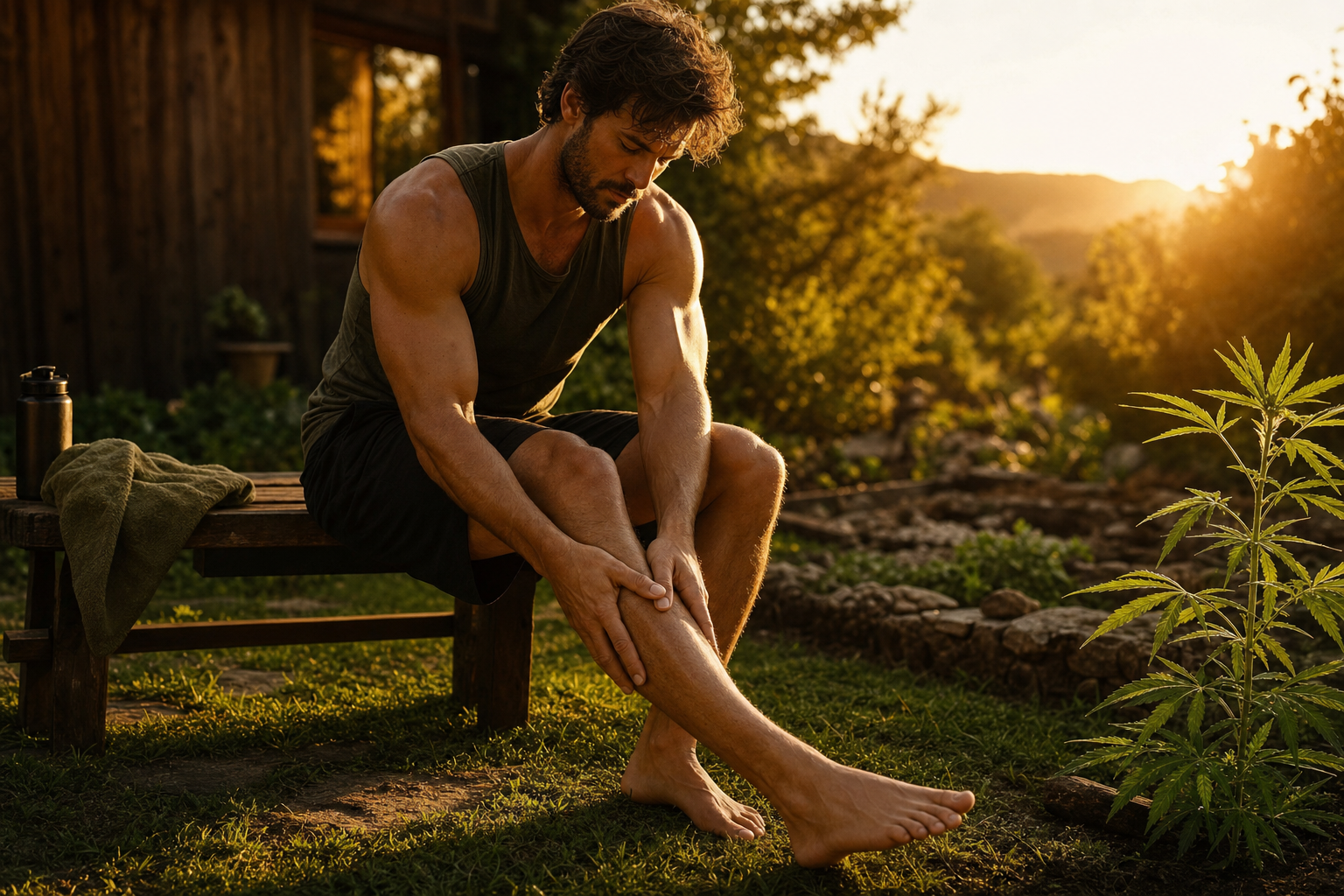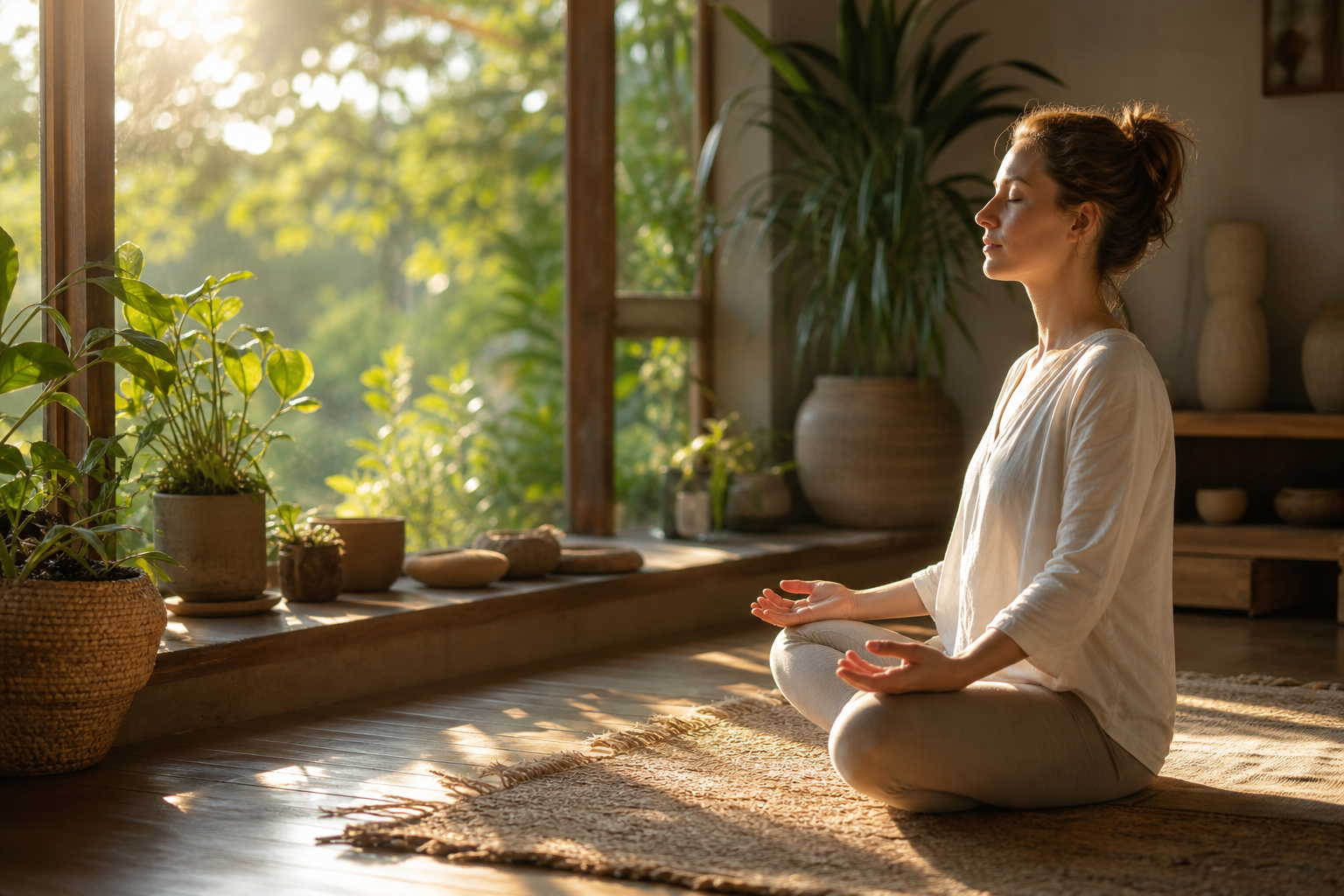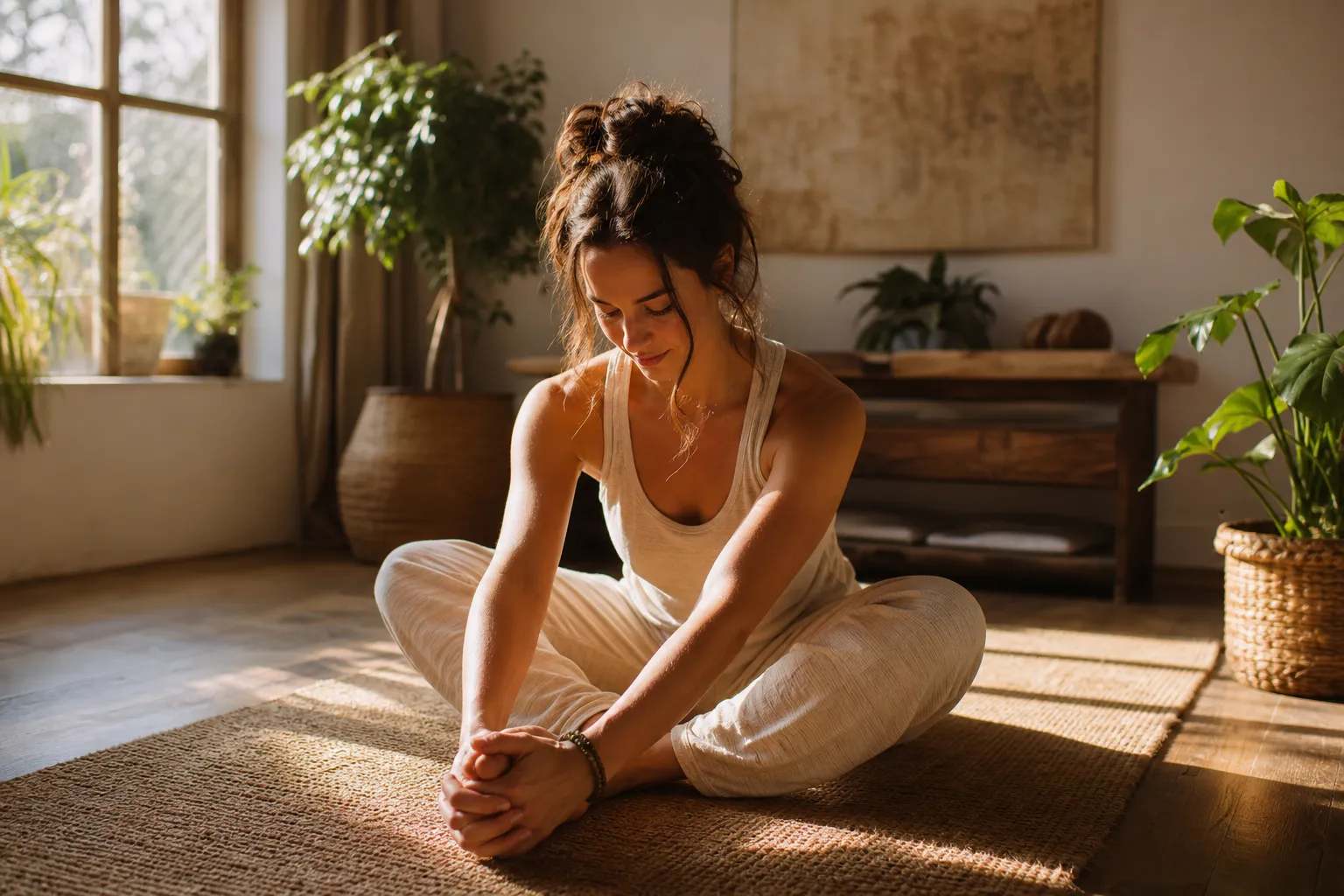
Cannabis and Yoga: Deepening Your Practice Naturally

Jamie
Head Cultivator
Yes — you can pair cannabis with yoga safely if you start tiny, skip the circus poses, and treat weed as a gentle assist, not a headstand fuel. Too much THC wrecks balance and focus. This guide answers the real question: how to combine them without hurting yourself, and what to use before you unroll the mat.
What Is Cannabis Yoga (and Where Did It Come From)? #
Cannabis yoga is simply yoga practiced with a small, intentional dose of cannabis — a pairing with old spiritual roots that got a modern name in 2009. You do not need a branded class. You need a clear intention, a tiny dose, and a mat.
Teacher Dee Dussault coined the public format called Ganja Yoga in Toronto in June 2009 and later taught sold-out classes in San Francisco. Her site and interviews describe building the practice after years of yoga plus a rediscovered, gentler relationship with cannabis — not as a party trick, but as a tool for presence. See Ganja Yoga and her PR Newswire 2020 note on bringing classes online.
Ancient Roots vs. Modern Classes #
People often ask if this is "new." The modern class format is. The plant-and-practice pairing is not.
| Era | What happened | What it means for you |
|---|---|---|
| Ancient India (tradition) | Cannabis appears in spiritual and Ayurvedic contexts; sadhus have long used hashish with meditation and movement | The idea of plant + practice is old — not a 2010s Instagram trend |
| 1960s–70s counterculture | Informal home practice (weed + yoga / stretch) | No curriculum, no dosing science |
| 2009 onward | Public "ganja yoga" classes; books and online sessions | Structure, community, and clearer talk about dose |
A few grounding notes:
- Yoga already changes your chemistry. Practice can raise mood and body awareness on its own. Cannabis is optional spice — not the main dish.
- There is no large clinical trial proving "ganja yoga" is better than yoga alone. Benefits people report (calm, body feel, mindfulness) are mostly self-report and small studies. Treat that honestly.
- Divine Toke (Detroit, Michigan sun-grown organic cannabis farm) frames this like any other mindful use: know your body, start low, and keep the practice safe.
If you already pair cannabis with stillness, our guide on cannabis and meditation covers the sit-still version of the same idea.
Who this practice is (and is not) for #
Cannabis yoga tends to fit people who already like slow movement and want a little help quieting the noise. It is a weaker fit if you are brand-new to both cannabis and yoga on the same day, or if you use yoga mainly for hard athletic training.
Good candidates:
- You already have a basic yoga vocabulary (down dog, child's pose, a few stretches)
- You can microdose without chasing a big high
- You want body awareness, not performance PRs
- You have a private or low-pressure space to practice
Pause or skip if:
- You have heart disease, unexplained fainting, or your clinician said no to THC
- You are recovering from a balance-related injury
- You feel pressured to "keep up" in a fast class
- You are drug-tested at work and cannot risk metabolites (cannabis can linger)
Detroit blue-collar reality check: if you are on a job that tests, or you need sharp reflexes after class, do not dose. The mat will still be there tomorrow.
How Cannabis Affects Body Awareness on the Mat #
Low-dose THC can turn up how vividly you feel breath, stretch, and heartbeat; CBD mostly softens tension and nerves without the same "volume boost." That is why a tiny amount can deepen yoga for some people — and why a large amount turns the mat into a funhouse.
Two words worth knowing:
- Interoception — sensing the inside of your body (breath, heartbeat, tight hips).
- Proprioception — sensing where your limbs are in space (am I stacked over my wrist?).
Yoga alone already trains both. A PMC review on yoga body practices links yoga to stronger interoceptive networks and mindfulness skills — noticing without spinning out.
THC Turns Up the Volume on Sensation #
THC (the main intoxicating compound in cannabis) hits CB1 receptors in the brain. Research summarized in PMC12288845 ties cannabis and the insula — a brain region that tracks internal body signals — to changes in interoceptive awareness. In plain English: sensations can feel louder.
That can help you:
- Notice a tight hamstring before you yank it
- Stay with the breath instead of scrolling mental to-do lists
- Feel alignment cues you usually rush past
It can also backfire:
- Racing thoughts if the dose is high
- Dizzy or "floaty" balance in standing poses
- Trouble judging how deep is too deep in a stretch
A 2022 PMC paper on cannabis and exercise notes that people report mixed effects on body awareness during movement — some feel more tuned in, some feel less sharp. Your dose and set/setting decide which one you get.
CBD Softens Tension Without the Same Amplification #
CBD is non-intoxicating at typical wellness doses. It often helps people feel less wired. It does not usually create the same vivid body-volume boost THC does. A PMC review comparing CBD and THC brain effects describes CBD as often opposing or moderating some of THC's sharper cognitive effects.
Cannabinoids also show biphasic effects — low doses can calm; high doses can spike anxiety. That pattern is well described in the PubMed biphasic cannabinoid literature.
| Goal on the mat | Lean toward | Why |
|---|---|---|
| Gentle presence + light sensation | Low THC (1–2.5 mg) or 1:1 THC:CBD | Mild awareness bump without fog |
| Stretch night, less "high" | CBD-forward or CBD-only | Soften body, keep mind clearer |
| Restorative / yin wind-down | Slightly more myrcene-leaning (still low THC) | Heavier body, slower pace |
| Active flow / vinyasa | Pinene / limonene profiles, microdose only | Clarity over couchlock |
Bottom line: cannabis does not "give you yoga." It can change the volume knobs on sensation and calm. You still have to show up, breathe, and stop when the pose gets stupid.
What Should You Use Before Yoga? Dose, Timing, and Form #
For most beginners, use 1–2.5 mg THC (or a 1:1 THC:CBD microdose), take it early enough to feel settled, and prefer a tincture or a precisely labeled edible over guessing with flower. If you cannot measure the dose, you are guessing — and guessing before a balance pose is how people get hurt.
This is the heart of the article. Same rules we use in our microdosing guide: less weed, clearer results.
Start-here dosing by experience #
| Experience level | Starting THC | Optional CBD | Notes |
|---|---|---|---|
| Brand new to cannabis | 1 mg | 1–5 mg CBD | Test at home first, not in a packed studio |
| Occasional user | 1–2.5 mg | Match THC (1:1) if anxious | Wait full onset before adding more |
| Regular user | 2.5–5 mg max for practice | Optional | If 5 mg makes you wobbly, you went too high for yoga |
| High tolerance daily user | Still try ≤5 mg for yoga | — | Your party dose is not your mat dose |
Rules that matter more than strain names:
- One new variable at a time. New product or new pose style — not both.
- Never stack. If you feel nothing at 30 minutes, do not double. Wait for the next session.
- No driving. Even microdoses can affect some people. Plan your session where you already are.
- Skip yoga if you are already too high. Lie down. Hydrate. Try again another day.
Tincture vs. Edible vs. Flower #
| Form | Onset (typical) | Best for yoga? | Why |
|---|---|---|---|
| Tincture (under tongue) | ~15–45 min | Yes — first pick | Dropper control; easier to hit 1–2.5 mg |
| Edible (gummy / mint) | ~45–120 min | Yes, if timed | Precise milligrams; easy to overshoot if impatient |
| Flower / vape | ~1–10 min | Only if you can take one tiny puff and stop | Hard to measure; easy to overdo |
Timing cheat sheet:
- Tincture: dose about 30–45 minutes before class
- Edible: dose about 90 minutes before (edibles peak late — do not chase)
- Inhale: 10–15 minutes before, one small puff, then wait
Government health agencies are blunt that cannabis can impair coordination and judgment. Canada's cannabis health effects overview is a clear public-facing summary. Treat yoga like any other activity that needs balance: dose for clarity, not for being blasted.
Set and setting for the mat #
Yoga teachers talk about drishti (a soft gaze point). Cannabis needs the same kind of container.
Set (mindset): One sentence intention before you dose. Examples: "I will stay under 70% depth." "I will leave if my heart races." "This is for breath, not for Instagram."
Setting (space):
- Cool room, not a sauna
- Non-slip mat, clear of toys and tools
- Water within arm's reach
- Playlist soft or silent — loud bass can spike some people
- Nobody who will dare you into a handstand
Public classes are optional. If you go, tell the teacher nothing about your cannabis if you do not want to — but do take child's pose early and often. Your ego is not paying your medical bills.
Best Terpenes for Yoga Movement (Not Couchlock) #
For active yoga, look for pinene and limonene first, beta-caryophyllene for body comfort, and go easy on heavy myrcene so you do not melt into the mat. Shop the lab sheet (terpene panel), not the Indica/Sativa sticker.
Terpenes are aromatic oils in cannabis (and many plants). Think of them like spices in cooking — they shape the vibe alongside THC and CBD. Early research is mostly lab and animal work, so stay humble about certainty.
| Terpene | Smell vibe | Yoga fit | What research hints |
|---|---|---|---|
| Alpha-pinene | Pine / forest | Focus, less fog | Linked to attention pathways; often discussed for countering mental murk — see terpene reviews such as PMC6920849 |
| Limonene | Citrus | Calm-alert mood | Mood and anxiety research includes work like PMC9568608; human yoga trials are still thin |
| Beta-caryophyllene | Pepper / spice | Body ease | Unique among common terpenes as a CB2 binder in preclinical work; see summaries in PubMed 39598452 and related CB2 literature |
| Myrcene | Earthy / mango | Restorative / yin | Classic "heavy body" terpene — great for slow stretch nights, rough for sharp standing balances |
| Linalool | Floral / lavender | Soft evening practice | Often paired with wind-down sessions; can feel sedating stacked with myrcene + THC |
Practical shopping tips (Michigan adult-use labels):
- Ask for a terpene certificate of analysis (COA) — not just THC %
- For flow / morning practice: pinene + limonene near the top of the list
- For evening yin: myrcene + linalool can be fine — keep THC tiny
- Skip chasing ultra-high THC flower for yoga. High % is a marketing number, not a presence number.
At Divine Toke, we talk about sun-grown flower the same way: smell it, read the panel, and match the plant to the job. Yoga wants clarity and ease — not a knockout.
Quick "nose shop" checklist before practice #
- Open the jar — does it smell bright (citrus/pine) or heavy (earth/musk)?
- Bright often pairs better with morning flow; heavy pairs better with yin
- Check total terpenes and top three on the COA
- Ignore "indica = night / sativa = day" as a hard rule — terpenes beat folklore
- If the batch is 30%+ THC and you are new, buy something milder or dose by measured edible/tincture instead of freestyling flower
You do not need a rare "yoga strain." You need a calm dose and a plant that smells like the session you want.
Safety First: Balance, Hydration, and Heart Rate #
The three big risks of cannabis yoga are wobbly balance, quiet dehydration, and a faster heartbeat — all worse at higher THC doses. Respect them and the practice stays useful. Ignore them and you are one warrior pose away from a stupid injury.
Balance and coordination. THC can slow reaction time and motor control. Older psychopharmacology work such as PMC4827335 documents cannabis effects on psychomotor performance. In a 2023 PMC study of cannabis for exercise recovery, some participants still reported negatives like poor balance, racing heart, weakness, and anxiety — even in a recovery context. Translate that to yoga: skip circus poses until you know your dose.
Hydration. Cannabis often causes dry mouth. Some users also drink less because thirst cues feel muted. Bring water. Sip before and during. Do not wait until you feel chalky.
Heart rate and blood pressure. The American Heart Association scientific statement on cannabis and cardiovascular health flags meaningful heart risks and calls for more research. Acute THC commonly raises heart rate; related clinical summaries such as PMC11681564 quantify those acute cardio changes. If you have heart disease, arrhythmia history, or unexplained dizziness, talk to your clinician before mixing THC with any workout — including yoga. Our cannabis and fitness piece covers the same caution for athletes.
| Risk | What it feels like | What to do |
|---|---|---|
| Impaired balance | Swaying in tree pose, slow foot placement | Stay closer to the ground; use a wall |
| Dehydration | Dry mouth, headache, cramps | Water before / during / after |
| Heart racing | Pounding pulse, light head | Sit or lie down; stop practice; cool room |
| Anxiety spike | Tight chest, spiral thoughts | Skip inversions; breathe slow; CBD may help later — do not add more THC |
Washington, D.C.'s health department also publishes a plain adverse effects and drug interactions overview for medical cannabis — useful reading if you take other meds.
Poses and Styles to Skip When High #
Skip headstands, handstands, deep backbends, arm balances, and hot yoga until your dose is proven boringly safe. Gravity does not care that you feel spiritual.
Safer first-session styles:
- Hatha (slow, held poses)
- Yin or restorative
- Gentle flow with knees-down options
- Chair yoga if balance feels off
Riskier when medicated:
- Hot / Bikram rooms (heat + heart rate + dizziness)
- Power / ashtanga peaks
- Crow, headstand, forearm stand
- Anything on a boat dock or cliff for Instagram
If a pose feels "off," it is off. Back out. Yoga is not a bravery contest.
Cannabis, Breathwork, and Pranayama: When to Slow Down #
Use gentle nose breathing with cannabis yoga; skip long breath holds and intense pranayama until you know how THC affects your pulse. Slow breath wants a calm nervous system. THC often does the opposite for a while.
Here is the conflict in plain terms:
- Soft yoga breathing aims to settle you (parasympathetic "rest and digest")
- THC can push heart rate up and nudge a fight-or-flight feel (sympathetic)
The AHA cannabis cardiovascular statement and clinical summaries like PMC8832198 describe how smoked/inhaled cannabis can raise cardiac oxygen demand while also affecting oxygen delivery. That mismatch matters more when you are deliberately holding breath or pumping breath fast.
Safer breath choices after a microdose:
- Easy inhale / exhale through the nose
- Slightly longer exhales (e.g., in for 4, out for 6)
- Soft ujjayi only if it feels calming — stop if it spikes anxiety
- Rest in child's pose if your heart feels loud
Hold for later (or skip):
- Long kumbhaka (breath retention)
- Aggressive kapalabhati / breath of fire
- Any breathwork that makes you dizzy even when sober
One more nuance: a Johns Hopkins 2023 news release reported that high oral CBD can amplify some adverse THC effects in edibles (including heart-rate changes in that study setting). So "more CBD" is not always a free safety pass — especially at huge oral CBD doses. For yoga, keep both cannabinoids modest.
If breath is your main practice, you may prefer CBD-only or no cannabis at all for pranayama days, and save a microdose for gentle stretch or meditation sits.
A Beginner's First Cannabis Yoga Session (Step-by-Step) #
Your first cannabis yoga session should be short, private, low-dose, and boring on purpose — prove safety before you chase depth. Thirty minutes at home beats ninety minutes of ego in a heated studio.
The 10-step first session #
- Pick a safe room. Clear floor, no pets underfoot, water bottle within reach, phone on Do Not Disturb.
- Eat a light snack earlier. Empty stomach + THC = surprise intensity for some people.
- Dose tiny. 1–2.5 mg THC tincture (or 1:1). Write it down.
- Wait. 30–45 minutes for tincture. Do not "top up."
- Check-in. Rate body/mind 1–10. If anxiety is already high, skip movement — sit or cancel.
- Warm up slow. Cat-cow, gentle twists, no inversions.
- Choose 5–8 simple poses. Down dog (knees soft), low lunge, standing forward fold, bridge, supine twist, savasana.
- Stay near the ground. Prefer seated and supine work if balance feels soft.
- End early if needed. Savasana is always a valid exit.
- Journal three lines. Dose, terpenes if known, what helped, what felt off. Our cannabis journaling habit makes the next session smarter.
Sample 25-minute home flow (microdosed) #
| Minutes | What to do |
|---|---|
| 0–3 | Seated breath, soft belly, no force |
| 3–8 | Cat-cow + thread-the-needle |
| 8–14 | Low lunges + half splits (no forcing depth) |
| 14–18 | Supported bridge or figure-four stretch |
| 18–22 | Supine twist both sides |
| 22–25 | Savasana, eyes soft, water nearby |
Do this three times with the same dose before you increase by 1 mg. Patience is the whole game.
Aftercare (the part people skip) #
What you do after matters as much as the dose:
- Drink a full glass of water
- Eat a real meal if you are hungry (THC can nudge appetite)
- Avoid stacking alcohol "to come down"
- Skip heavy machinery and driving
- Note sleep quality that night — some people sleep better after gentle practice; others feel wired if they timed an edible late
If you woke up foggy, your dose was probably too high for a weeknight mat session. Cut it next time. Less is more is not a slogan here — it is the method.
Common Mistakes That Ruin Cannabis Yoga #
Most cannabis yoga fails come from too much THC, bad timing, or treating the mat like a dare. Fix those three and the practice usually gets quieter in a good way.
| Mistake | Why it backfires | Better move |
|---|---|---|
| "Party dose" before class | Balance and judgment drop; Canada's health overview flags impairment risks | Cap at microdose for movement |
| Edible 20 minutes before class | Peak hits mid-flow — too late to undo | Dose ~90 minutes early or use tincture |
| Chasing stretch depth | THC can mute pain warnings; easy to overstretch | Stop at 70% of your usual depth |
| Hot room + THC | Heart rate + heat + dizziness stack | Cool room first; hot yoga only if proven safe sober and microdosed |
| New concentrate "just a dab" | Concentrates are easy to overshoot | Stick to measured mg products |
| Comparing to sober PR poses | You will feel clumsy and push harder | Choose a different goal: presence, not PRs |
| Skipping water | Dry mouth + muted thirst | Drink on a timer |
| Mixing with alcohol | Double impairment | One plant, or none |
A PMC review on cannabis and exercise notes that cannabis may change enjoyment of activity for some people without clearly boosting performance. Same vibe for yoga: it might help you show up and feel, not hit a handstand PR.
Honest gut check: if your main goal is getting blasted, that is fine — just do not call it yoga. If your goal is presence, keep the dose small enough that you could still hold a conversation.
Frequently Asked Questions #
How much THC should I take before yoga? #
Start with 1–2.5 mg THC; stay under about 5 mg for practice until you prove balance is solid. That range matches common microdosing guidance and keeps you closer to presence than impairment. Canada's cannabis health effects page reminds consumers that impairment scales with dose — treat yoga like any skill activity. Increase by 1 mg only after a few steady sessions.
What is the best cannabis product for yoga beginners? #
A measured tincture (or precisely labeled low-dose edible) beats flower for first sessions. Droppers and milligram labels beat guessing puffs. Look for a 1:1 THC:CBD option if you tend to get anxious. Save flower for later, when you already know your personal ceiling.
Can I do yoga after an edible? #
Yes — if you dose early enough and keep the milligrams tiny. Edibles often take 45–120 minutes to land and can last hours. Take them about 90 minutes before practice, wait the full window, and do not stack more mid-class. If the edible hits hard, skip standing balances and go restorative.
Is CBD better than THC for yoga? #
CBD is often "better" if your goal is soft body without intoxication; a tiny bit of THC helps if you want louder body awareness. CBD generally does not raise heart rate the way THC can — see cardiovascular reviews such as PMC11681564. Many people land on low THC + some CBD. Huge oral CBD doses are not automatically safer with THC; Johns Hopkins research coverage found high CBD can intensify some edible THC effects.
Which terpenes help yoga focus without sleepiness? #
Pinene and limonene are the usual "clear and uplifted" pair; keep myrcene lighter for active flows. Preclinical and review literature (for example PMC6920849 and PMC9568608) explores attention and mood pathways for these aromatics. Always verify the lab's terpene list — names on jars lie more than COAs do.
Should I avoid headstands and inversions after cannabis? #
Yes for beginners — and yes for anyone who feels even slightly unsteady. THC can impair coordination and reaction time (PMC4827335). Headstands multiply fall risk. Stay closer to the floor until your dose feels boringly predictable.
Is hot yoga safe with cannabis? #
Usually a bad first combo — heat plus THC can stack dizziness and heart-rate stress. The AHA cannabis cardiovascular statement already urges caution around heart effects. Add a 105°F room and dehydration and you are asking for lightheaded exits. Master cool-room microdoses first.
Can cannabis help with yoga anxiety or stiff muscles? #
Many people report less social anxiety and softer muscles at low doses — but high THC can create the anxiety you hoped to dodge. Cannabinoid effects are biphasic (PubMed 30922834): low can calm, high can spike. For stiff muscles, pair a microdose with slow yin stretches and water — do not force depth because you feel floaty.
How long before yoga should I dose? #
Tincture: about 30–45 minutes. Edible: about 90 minutes. Inhale: 10–15 minutes after one tiny puff. Timing exists so you are settled before balance poses, not peaking in the middle of them. If you are late, skip the cannabis — do not rush-dose.
Does cannabis improve yoga performance? #
Not in the athletic-PR sense for most people — it may improve enjoyment, calm, or body feel. A PMC review on cannabis and exercise finds limited evidence for performance gains. Measure success by breath quality and fewer ego injuries, not deeper splits.
What if I get too high during practice? #
Stop the flow, sit or lie down, hydrate, and ride it out — do not add more cannabis. Dim lights, put a hand on your belly, and breathe slow. CBD sometimes takes the edge off for some people, but it is not a guaranteed antidote. Next time, cut the dose in half.
Can I combine cannabis yoga with meditation? #
Yes — and many people should. A short sit after a gentle flow often works better than forcing advanced asana while medicated. See our full guide on cannabis and meditation for sit-specific dosing and breath tips.
Closing Thoughts #
Cannabis and yoga can deepen practice when you treat the plant like a dimmer switch, not a fireworks show. Start tiny. Stay near the ground. Drink water. Skip the headstand. Let presence — not potency — be the flex.
If you are curious to try a clean, sun-grown option for mindful sessions, explore Divine Toke's organic flower and keep the same rules: read the terpene panel, measure your dose, and let the mat stay honest. For nearby reads, start with microdosing cannabis, cannabis and meditation, and cannabis and fitness.
This article is for educational purposes only and is not medical advice. Always consult your healthcare provider before starting any new wellness routine.
Grown in Detroit. Shipped to your door.
Small-batch, sun-grown cannabis cultivated in living soil. Mail-order shipping to all 50 states.