Summer Strain Guide: Light, Bright, and Perfect for Michigan Weather
Discover the best bright, uplifting cannabis strains for Michigan summers. Learn which terpenes—limonene, pinene, and terpinolene—deliver energizing daytime effects perfect for hot, humid weather.

Head Cultivator
On this page
Michigan summers bring hot days, high humidity, and plenty of outdoor activities. When the temperature climbs and you want cannabis that matches the season, look for strains that feel light, bright, and energizing—not heavy and couch-locking. The right terpenes make all the difference.
What Makes a Strain Perfect for Summer? #
Bright, citrus-forward cannabis with limonene, pinene, or terpinolene terpenes works best for summer daytime use. These compounds tend to produce uplifting, clear-headed effects that pair well with outdoor activities, social gatherings, and staying productive during long summer days.
Summer cannabis should feel like sunshine in your head—not a weighted blanket. Heavy indica strains rich in myrcene can make hot, humid afternoons feel even more oppressive. Sativa-leaning hybrids with fresh, bright terpene profiles offer a lighter experience that won't slow you down when the heat is already doing that job.
Think of it like choosing what to drink on a hot day. A heavy stout beer might taste great in December, but it sits like a rock in July. The same principle applies to cannabis. Myrcene—the terpene that makes strains feel "heavy" and sedating—acts like that winter stout. Limonene and pinene act like a cold lemonade or iced tea: refreshing, bright, and perfectly suited to the season.
| What You Want | What to Look For | What to Avoid |
|---|---|---|
| Energy for activities | Limonene, pinene, terpinolene | Myrcene-dominant strains |
| Social gatherings | Citrus aromas, moderate THC | High-THC, racy pure sativas |
| Creative projects | Balanced hybrids with pinene | Heavy indicas |
| Outdoor relaxation | Terpinolene-rich varieties | Skunky, earthy profiles |
Limonene: The Citrus Terpene for Mood and Energy #
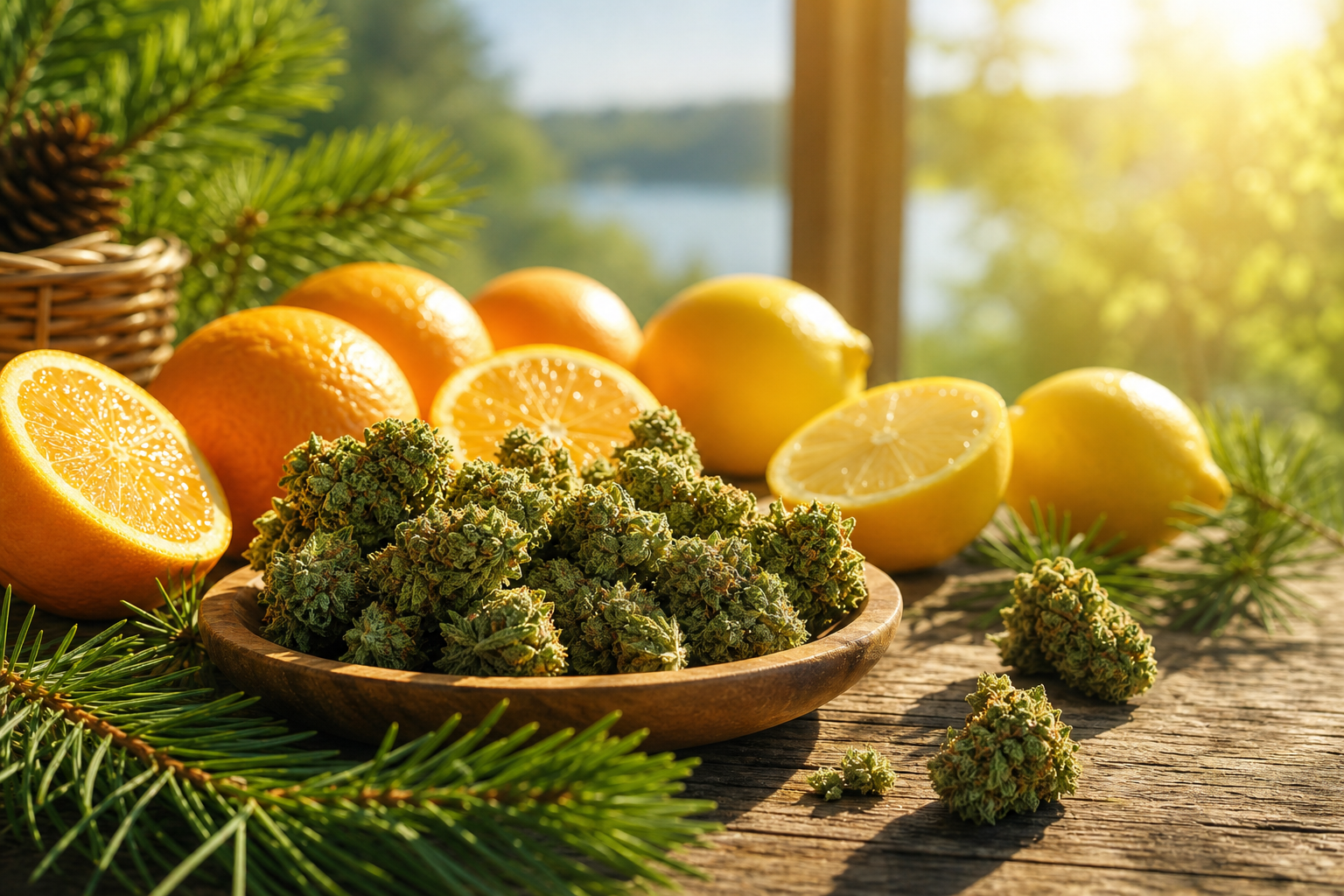
Limonene is a terpene that smells like citrus—lemons, oranges, tangerines—and may help elevate mood and reduce stress. Research suggests it works by affecting serotonin and dopamine, the brain chemicals that set your emotional tone and motivation levels.
A review of limonene research found evidence that this terpene can influence your brain's serotonin and dopamine systems. Another study on terpene mechanisms notes limonene shows anti-anxiety activity through specific brain pathways involving dopamine and GABA neurons.
What this means in plain English: when you smell that sharp lemon or orange peel scent from your cannabis, your brain may be getting a signal that translates to feeling lighter and more positive. Some research even suggests limonene can reduce THC-induced anxiety, making it a smart choice if you tend to get anxious from stronger strains.
Strains known for high limonene content include:
- Tangie — tangerine and orange peel aroma, pure sativa energy
- Super Lemon Haze — intense lemon-citrus with uplifting effects
- Lemon OG — lemon-forward with balanced hybrid effects
- Orange Cookies — sweet citrus with creamy undertones, balanced hybrid
- Lemon Tree — sharp lemon with diesel notes, potent sativa hybrid
Beyond mood effects, limonene shows promise for other wellness applications. Research on limonene properties notes potential anti-inflammatory and stress-relieving benefits. While these studies are preliminary and mostly preclinical, they align with centuries of traditional use—citrus oils have been prized for their uplifting qualities across cultures for generations.
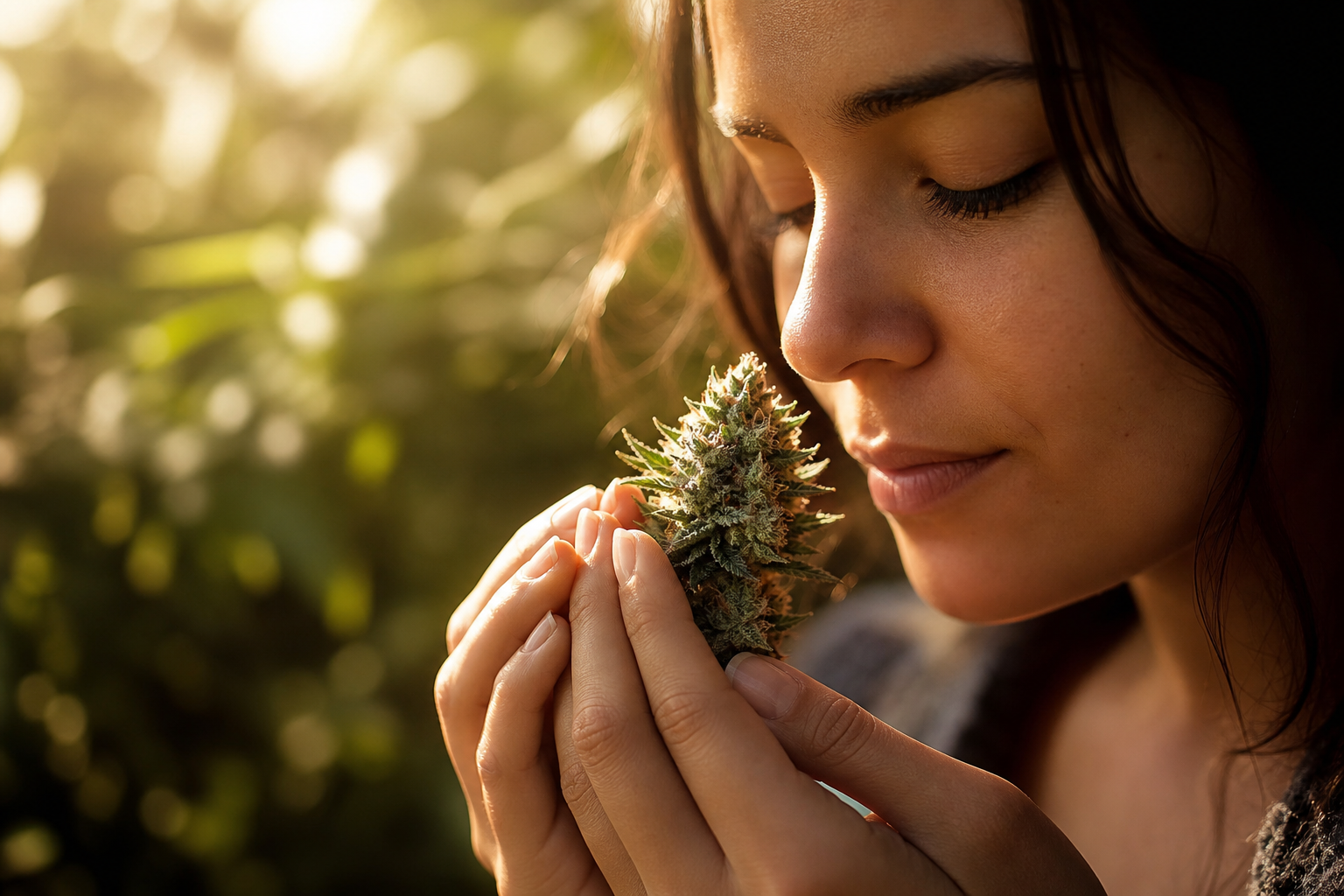
When evaluating a strain for limonene content, the aroma intensity matters. A strain that smells vaguely lemony might have trace amounts. A strain that hits you with sharp, fresh-squeezed lemon scent when you crack the jar likely has significant limonene content. Trust your nose—evolution wired humans to detect citrus smells because they signal vitamin C and freshness. That same detection system helps you find the right summer strain.
Pinene: The Pine Terpene for Focus and Alertness #
Pinene is the terpene that gives pine needles, rosemary, and basil their sharp, fresh scent—and it may support alertness and mental clarity. If you want to stay sharp for a summer hike, yard work, or creative projects, pinene-forward strains deserve your attention.
A 2021 review published in PMC examined pinene's effects on neurological function. The research found that alpha-pinene may enhance GABA receptor responses in the brain, potentially affecting how calm yet alert you feel. The same review noted pinene might influence dopamine and acetylcholine—brain chemicals tied to focus, attention, and memory.
Beta-pinene appears to act on serotonin and adrenaline-related receptors in animal studies, which could explain why many people report feeling more awake and clear-headed with pine-dominant strains. Research on terpene mechanisms suggests pinene enters the brain and may influence dopamine and acetylcholine signaling—pathways directly connected to staying mentally sharp.
Popular pinene-rich strains for summer include:
- Jack Herer — pine and spice with clear-headed energy
- Durban Poison — sweet earth and pine, focused and productive
- Ghost Train Haze — lemon-citrus plus pine, intensely uplifting
- Blue Dream — berry notes with pine undertones, balanced hybrid
- Dutch Treat — pine and sweet fruit, mellow focus
The dual nature of pinene—both alpha and beta forms—adds complexity to its effects. Blimburn Seeds strain analysis notes that pinene-rich strains often combine mental clarity with a subtle sense of calm, unlike caffeine's sometimes jittery energy. This makes pinene-forward varieties excellent for activities requiring both alertness and composure—like hiking, creative work, or social gatherings where you want to stay sharp but relaxed.
For Michigan outdoor enthusiasts, pinene strains offer an extra layer of thematic alignment. You're already surrounded by pine forests in the northern parts of the state. Adding a pine-dominant cannabis strain creates a sensory harmony between what you're consuming and where you are. It's not just about effects—it's about the total experience matching the environment.
Terpinolene: The Fresh Herbal-Citrus Option #
Terpinolene delivers a complex aroma mixing citrus, herbal, and floral notes, and it's commonly found in energetic, sativa-dominant strains. While less studied than limonene or pinene, this terpene shows up consistently in strains people describe as mentally clarifying and creatively stimulating.
Terpinolene appears most frequently in classic sativa varieties. Strains like Durban Poison and Ghost Train Haze carry notable terpinolene content alongside their pinene and limonene profiles. This terpene contributes to that fresh, complex bouquet that doesn't fit neatly into "citrus" or "pine" categories—more like walking through a garden after rain.
For summer use, terpinolene-heavy strains offer a middle path: less intensely citrus than limonene-dominant options, less sharply pine-forward than pinene leaders, but with their own kind of brightness that works well for creative afternoons or social gatherings.
The elusive nature of terpinolene makes it somewhat harder to find than limonene or pinene. Most strains contain trace amounts, but only a select few feature it prominently. According to Cannavine terpene research, terpinolene shows up consistently in classic "haze" varieties and many African landrace-derived sativas. This terpene helps explain why some experienced consumers prefer older, harder-to-find strains over newer hype varieties—the terpinolene content in legacy genetics often exceeds what's found in many modern commercial cultivars.
Strains where terpinolene typically plays a significant role:
- Jack Herer — complex pine-spice-floral profile with moderate terpinolene
- Durban Poison — sweet, earthy, and subtly floral with notable terpinolene
- Ghost Train Haze — layered citrus-pine-floral complexity
- XJ-13 — bright, complex citrus with herbal notes
- Cherry Bomb — sweet cherry with fresh herbal undertones
When you find a terpinolene-dominant strain, the aroma defies simple description. It's not quite citrus, not quite pine, not quite floral—it's a fresh, clean scent that evokes early morning gardens and rainy summer afternoons. For consumers bored with the same lemon-diesel or pine-skunk profiles dominating dispensary shelves, terpinolene offers a welcome change of pace.
Strain Types to Look For: Sativa-Leaning Hybrids #
Sativa-leaning hybrids offer the best balance for summer daytime use—energizing enough to keep you moving, but balanced enough to avoid feeling jittery or anxious. Pure sativas can sometimes feel too racy, while pure indicas will put you to sleep. The hybrid middle ground hits the sweet spot.
Look for labels indicating:
- Sativa-dominant hybrid (60-80% sativa genetics)
- THC levels between 15-22% for functional daytime effects
- Aroma profiles described as citrus, pine, tropical, or herbal
- Effect descriptions mentioning uplifting, creative, focused, or clear-headed
According to Weedmaps strain classifications, sativa-leaning hybrids blend the uplifting qualities of sativa genetics with enough indica influence to ground the experience. This makes them more forgiving for summer use when you want energy without the edge.
Examples of well-regarded sativa-leaning hybrids for daytime:
- Super Lemon Haze — 80% sativa, lemon-citrus, 18-23% THC
- Jack Herer — sativa-dominant, pine-spice-lemon, balanced cerebral lift
- Pineapple Express — balanced hybrid, tropical fruit and pine, mood-lifting
- Sour Tangie — sativa-dominant, orange-citrus with diesel notes, energetic
- Green Crack — sativa-dominant, mango-citrus energy, highly stimulating
- Strawberry Cough — sativa-dominant, sweet berry with focused clarity
The "hybrid" label matters more than many consumers realize. A 70/30 sativa-dominant hybrid delivers different effects than an 80/20 or a straight 50/50 split. Zenleaf Dispensary strain classifications note that most consumers do best with sativa-leaning hybrids in the 60-75% sativa range for daytime use—enough sativa genetics for uplift and energy, but enough indica influence to prevent the jittery, anxious feelings that pure sativas sometimes produce.
When shopping, ask your budtender about the specific genetics. A strain labeled "sativa" might be 90% pure or 60% hybrid—knowing the difference helps you predict effects. Reputable Michigan dispensaries increasingly provide this breakdown, recognizing that educated consumers make better purchases and have better experiences.
What THC Percentage Works Best for Daytime Summer Use? #
For summer daytime activities, look for THC levels between 15% and 22%. This range delivers noticeable effects without the heavy, foggy feeling that higher-potency strains can bring—exactly what you want when heat and humidity are already in the mix.
| Experience Level | Recommended Daytime THC | Why It Works |
|---|---|---|
| Beginners | 10-15% | Gentle introduction, less risk of feeling overwhelmed |
| Occasional users | 15-20% | Balanced effects, good for activities |
| Regular consumers | 18-25% | Familiar effects without excessive intensity |
Healthline's guide to strain types notes that many hybrid strains are specifically grown to hit these moderate-to-high THC percentages while preserving functional, daytime-appropriate effects. Dispensary guidance suggests that strains in the 18-23% THC range—like Super Silver Haze—can boost energy without tipping into anxiety or impairment.
The key for summer: start lower than you think you need. Heat and sun can amplify cannabis effects, and dehydration happens faster when you're both sweating and consuming THC. A 15% THC strain on a cool morning might feel as strong as a 20% strain at 3 PM in 90-degree heat.
How Heat and Humidity Affect Your Cannabis Experience #
Hot, humid Michigan summers can degrade your cannabis and intensify its effects on your body. Understanding how temperature and moisture interact with your flower helps you store it properly and consume it safely.
A 2025 study published in PMC found that elevated humidity and temperature can significantly decrease cannabinoid concentration in cannabis plants. The research showed that environmental stress reduces both inflorescence development and cannabinoid levels—meaning heat and humidity literally sap potency from poorly stored flower.
For consumers, the practical concerns include:
- Dehydration risk — Cannabis causes dry mouth, and summer heat accelerates fluid loss. Medical guidance recommends drinking water before, during, and after use, especially in hot weather.
- Potency perception — Some consumers report that hot, humid conditions may change how strongly they feel cannabis effects, though this varies individually.
- Storage damage — Cannabis storage experts warn that high heat dries out buds and makes them harsh to smoke, while high humidity encourages mold and mildew.
The bottom line: treat summer cannabis like any other heat-sensitive product. Keep it cool, dry, and sealed.
Michigan's specific climate challenges make this especially important. Unlike dry western states where low humidity is the main concern, Michigan summers combine high heat with high humidity—a double threat. Research on cannabis in humid conditions confirms that humidity during flowering can cause loose, underdeveloped buds. The same principles apply to stored flower: too much moisture invites mold, too little degrades quality.
The "greenhouse effect" inside parked cars deserves special attention. On an 85°F Michigan summer day, interior car temperatures can exceed 130°F within an hour. DGO Magazine storage guidance emphasizes that this level of heat doesn't just dry out your cannabis—it fundamentally alters its chemistry. THC begins converting to CBN at sustained temperatures above 80°F, meaning your energetic daytime strain becomes sleep-inducing through improper storage.
| Storage Location | Summer Risk Level | Why |
|---|---|---|
| Interior closet | Low | Stable temperature, no light |
| Basement (dry) | Low-Moderate | Cool but check humidity |
| Kitchen cabinet | Moderate | Heat from cooking, humidity |
| Bathroom drawer | High | Shower humidity damages flower |
| Car (anywhere) | Extreme | Temperature spikes destroy terpenes |
| Windowsill | Extreme | Light + heat = rapid degradation |
Michigan Summer Storage: Keep Your Flower Fresh #
Store summer cannabis in an airtight container away from direct sun, heat, and humidity. Michigan's muggy July and August days can ruin improperly stored flower within days—not weeks.
According to dispensary storage guidance, excessive heat can dry out buds fast, stripping away flavorful terpenes and making smoke harsh. High humidity creates mold risks, especially if containers aren't properly sealed.
Best practices for Michigan summers:
- Use airtight glass or quality plastic containers
- Store at 55-62% relative humidity (use humidity packs if needed)
- Keep away from windows, cars, and direct sunlight
- Avoid bathrooms and kitchens (humidity hotspots)
- Don't store in the refrigerator (temperature swings cause condensation)
Your car is the worst place for summer cannabis. Temperatures inside parked vehicles can exceed 120°F on a sunny Michigan day—more than enough to degrade THC into CBN (making you sleepy) and evaporate those precious terpenes that give your strain its character.
The science behind terpene loss in heat is straightforward but devastating for quality. Terpenes are volatile compounds—they evaporate easily. Different terpenes have different evaporation points, but most begin degrading significantly above room temperature. All Greens AZ research notes that low humidity can dry out buds and degrade terpenes even without extreme heat. Combine heat plus low humidity (air-conditioned spaces) plus time, and you've got a recipe for harsh, flavorless cannabis.
Practical Michigan summer storage solutions:
- Use glass jars with rubber seals — mason jars work perfectly
- Add humidity packs — 58% or 62% RH packs maintain optimal moisture
- Store in the coolest interior closet — away from exterior walls
- Avoid the kitchen and bathroom — humidity swings from cooking and showers
- Never freeze — condensation destroys trichomes when thawing
- Check weekly — open jars briefly to inspect for mold or dryness
If you follow only one rule: keep it out of the car. That single mistake ruins more summer cannabis than all other storage errors combined. A few hours in a hot car can turn premium flower into something barely worth smoking.
Nose-Shopping: How to Find These Strains at the Dispensary #
The best way to find summer-appropriate strains is to follow your nose—citrus, pine, and fresh herbal aromas usually indicate the terpenes you want. Lab reports confirm what your senses suggest, but scent is your first filter.
When browsing, ask to smell the flower. Look for:
- Lemon, orange, tangerine — signals limonene
- Pine, rosemary, basil — signals pinene
- Fresh herbs, flowers, complex citrus-floral — signals terpinolene
- Avoid heavy musk, earth, or skunk — usually indicates myrcene (sedating)
Request the certificate of analysis (COA) or terpene panel. Reputable Michigan dispensaries should provide this. You're looking for lab results showing:
- Limonene: 0.3% or higher (dominant to moderate)
- Pinene: 0.2% or higher (moderate to strong)
- Low myrcene relative to the others
Our guide on how to nose-shop for cannabis using terpenes dives deeper into reading lab results and matching aromas to effects.
Reading a terpene panel takes practice, but the basics are straightforward. Most lab reports list terpenes as percentages or milligrams per gram. For summer daytime strains, prioritize lab results showing:
Ideal Terpene Profile for Summer Daytime:
| Terpene | Target Range | What It Delivers |
|---|---|---|
| Limonene | 0.4% or higher | Mood elevation, brightness |
| Pinene | 0.3% or higher | Focus, alertness, clarity |
| Terpinolene | 0.2% or higher | Creative energy, complexity |
| Myrcene | Under 0.5% | Avoids heavy sedation |
| Linalool | Under 0.3% | Prevents sleepiness |
Remember that total terpene content matters too. A strain with 0.5% limonene but only 1% total terpenes will taste and smell less intense than a strain with 0.4% limonene and 3% total terpenes. Higher total terpene percentages generally mean more aromatic, flavorful flower.
If a dispensary won't show you lab results, consider shopping elsewhere. Transparency about terpene and cannabinoid content separates professional operations from those cutting corners. Michigan's regulated market requires testing, but not all retailers make results easily accessible to consumers. Ask to see certificates of analysis (COAs) before purchasing—reliable shops provide them willingly.
Michigan-specific shopping tips: Michigan's craft cannabis scene has exploded since legalization, with dozens of microbusinesses and small-batch growers offering unique genetics. Many of these smaller operators focus on terpene preservation and organic growing methods that produce exceptional summer strains. Don't limit yourself to the biggest brand names—explore what's growing locally in Detroit, Ann Arbor, and Grand Rapids cultivation facilities.
The Detroit area specifically has developed a reputation for sun-grown and light-assisted greenhouse flower that captures Michigan's unique climate advantages. Long summer days at northern latitudes create ideal conditions for terpene development. When shopping Detroit dispensaries, ask specifically about:
- Sun-grown or light-assisted greenhouse options
- Local microbusiness craft flower
- Seasonal harvest releases (often freshest in late summer/early fall)
- Terpene test results above 2% total
Building relationships with knowledgeable budtenders pays dividends. When they understand you prefer limonene-dominant strains for summer daytime use, they can flag new arrivals that match your preferences. The best shops remember their regulars and reach out when something special arrives that fits their customer's established tastes.
Cross-Link Section: Related Divine Toke Guides #
Explore more Divine Toke resources to deepen your cannabis knowledge:
- Learn the fundamentals of indica vs. sativa vs. hybrid and why terpenes matter more than these labels
- Discover our picks for top sun-grown strains for stress and anxiety if you need calming rather than energizing options
- Read our complete guide to cannabis storage for year-round flower preservation tips
- New to cannabis? Start with our first-timer's guide covering everything nobody explained
- Dive deeper into understanding terpenes and how they shape your cannabis experience beyond just flavor and aroma
- Explore our guide to sun-grown vs. indoor cannabis to understand why cultivation method affects summer strain quality
- For pain management needs alongside your summer activities, check our cannabis pain relief guide for balanced approaches
- Learn about microdosing cannabis for subtle summer enhancement without heavy effects
Safety Tips for Summer Cannabis Use #
Stay safe by hydrating, avoiding sun overexposure, and never driving after consumption. Cannabis impairs reaction time and judgment—heat and sun exposure compound these effects.
Essential summer safety checklist:
- Drink water before, during, and after—aim for extra hydration
- Stay shaded when using; avoid direct midday sun
- Start low, go slow—heat amplifies effects
- Never drive or operate machinery after consumption
- Watch for heat illness—dizziness, nausea, confusion mean cool down immediately
- Avoid mixing with alcohol (dehydration risk increases)
Medical cannabis guidance emphasizes that cannabis may contribute to feeling overheated. If you feel dizzy, weak, or confused, get to a cool place and hydrate. These symptoms can escalate quickly in Michigan's humid summer conditions.
Understanding the interaction between cannabis and heat requires knowing how THC affects your body's thermoregulation. Cannabis can slightly elevate core body temperature in some users—a phenomenon called "THC-induced hyperthermia." Combine this with 90°F Michigan heat and high humidity, and you create conditions where heat exhaustion develops faster than normal.
| Symptom | What It Means | Action Required |
|---|---|---|
| Heavy sweating | Early heat stress | Move to shade, drink water |
| Dizziness or lightheaded | Blood pressure drop | Sit down, cool off, hydrate |
| Nausea | Heat exhaustion beginning | Stop cannabis use immediately |
| Confusion | Heat stroke risk | Emergency medical attention |
| Muscle cramps | Electrolyte depletion | Rest, water, electrolytes |
The combination of sun exposure and cannabis requires extra planning. Unlike alcohol, where the impairment is familiar and predictable, cannabis effects vary significantly by strain, tolerance, and individual body chemistry. Adding environmental heat makes this variability more dangerous.
Best practices for safe summer consumption:
- Time your sessions — early morning or evening when temperatures drop
- Choose shaded locations — avoid direct sun, especially between 11 AM and 3 PM
- Bring more water than you think you need — at least 16 oz per hour outdoors
- Have a sober buddy — someone who stays clear-headed to monitor the group
- Know the exit plan — where to go if someone feels unwell
- Start with half your normal dose — heat amplifies everything
Michigan's Great Lakes region offers beautiful summer experiences—beaches, hiking trails, outdoor concerts, and backyard gatherings. Cannabis can enhance these experiences when used thoughtfully and safely. The key is respecting how environmental factors change the equation.
FAQ: Summer Cannabis Questions Answered #
Q: What's the best terpene for summer daytime energy? #
A: Limonene is the top choice for mood elevation, while pinene excels for focus and alertness. Both terpenes appear in bright, citrusy and pine-forward strains that feel lighter than heavy, sedating varieties. Research shows limonene affects serotonin and dopamine systems linked to mood, while pinene influences brain pathways associated with clarity and attention.
Q: How do I store cannabis during hot Michigan summers? #
A: Store in airtight containers at 55-62% humidity, away from heat, sunlight, and humidity. Never leave cannabis in a parked car—temperatures can exceed 120°F, degrading THC and evaporating terpenes. Use humidity control packs and keep containers in cool, dark spaces like interior closets. Storage guidance emphasizes that heat dries buds while humidity promotes mold.
Q: What THC percentage should beginners choose for summer daytime? #
A: Beginners should start with 10-15% THC for summer daytime use. Heat and humidity can amplify cannabis effects, making lower-potency strains a smarter choice until you understand your tolerance. Strain type guidance confirms that moderate THC levels (15-20%) typically provide functional daytime effects without excessive impairment.
Q: Can I use cannabis before outdoor summer activities? #
A: Yes, with precautions—choose low-to-moderate THC, hydrate well, and avoid intense sun. Sativa-leaning strains with limonene or pinene work best for active days. Never use before driving or operating equipment. Medical sources recommend staying shaded and drinking extra water when combining cannabis with outdoor summer activities.
Q: Does humidity affect how cannabis works? #
A: Humidity primarily affects cannabis storage and preservation, not the direct experience. However, a 2025 PMC study found that elevated humidity during growing can reduce final cannabinoid concentration. For stored flower, high humidity promotes mold; low humidity dries out buds and degrades terpenes.
Q: Are sativa strains better than hybrids for summer? #
A: Sativa-leaning hybrids typically work better than pure sativas for summer use. Pure sativas can feel too racy or anxiety-inducing, especially in heat. Hybrids (60-80% sativa) deliver uplifting effects with enough balance to stay comfortable. Weedmaps strain classification notes sativa-leaning hybrids offer "uplifting and energetic effects" with more forgiveness than pure strains.
Q: How can I tell if a strain has limonene or pinene? #
A: Smell citrus (lemon, orange) for limonene; smell pine or rosemary for pinene. Ask for the lab report or COA showing terpene percentages. Quality Michigan dispensaries provide this data. Limonene-dominant strains smell sharp and citrusy; pinene-forward varieties smell fresh, woody, and pine-like.
Q: Should I drink more water when using cannabis in summer? #
A: Yes—drink water before, during, and after cannabis use in summer heat. Cannabis causes dry mouth, and hot weather increases fluid loss through sweating. This combination raises dehydration risk. Health guidance recommends extra hydration when consuming cannabis during hot weather.
Q: What strains should I avoid in summer? #
A: Avoid heavy indica strains rich in myrcene if you want to stay active. Myrcene-dominant varieties (often smelling earthy, musky, or like cloves) tend to produce sedating, body-heavy effects that feel oppressive in heat. Save these for cool evenings when relaxation is the goal, not summer afternoons.
Specific examples of strains typically high in myrcene that summer consumers might skip:
- Granddaddy Purple — grape and berry with heavy sedation
- Northern Lights — earthy, piney, powerfully relaxing
- 9 Pound Hammer — fruity but intensely sedating
- Grape Ape — sweet grape with couch-lock effects
These strains serve important purposes—pain relief, sleep support, deep relaxation—but their heavy effects compound the physical weight that summer heat already creates. If you consume a myrcene-dominant strain on a 90°F July afternoon, you may find yourself feeling sluggish, sweaty, and uncomfortable rather than relaxed. Reserve these powerhouses for air-conditioned evenings or cool fall afternoons when their full effects can be appreciated without environmental interference.
Q: Can I store cannabis in the refrigerator during summer? #
A: No—refrigeration causes temperature swings that create condensation and mold risk. Instead, use airtight containers with humidity packs in cool, dark interior spaces. Aim for stable 55-62% relative humidity and temperatures between 60-70°F. Refrigerators fluctuate too much and introduce moisture problems.
Q: Can I bring cannabis to Michigan beaches or parks? #
A: Michigan state parks and beaches generally prohibit cannabis consumption. While possession of legal amounts (2.5 ounces for recreational users) is allowed, public consumption remains illegal under state law. Beaches, parks, and campgrounds typically fall under public space regulations. Private property—with the owner's permission—is the safest place for legal summer consumption. Always check specific location rules, as some municipalities impose additional restrictions beyond state law.
Q: Does sun-grown cannabis taste different than indoor? #
A: Yes—sun-grown organic cannabis often develops fuller terpene profiles with more complex flavors. Natural sunlight provides a broader spectrum of light than indoor grow lights, which can produce different terpene expression. Research on sun-grown vs. indoor cannabis explores these differences in depth. For summer use, many consumers prefer sun-grown flower because its natural, earthier profile feels seasonally appropriate compared to the sometimes overly intense artificial cultivation flavors.
Q: What time of day is best for summer cannabis consumption? #
A: Early morning (before 10 AM) or evening (after 6 PM) offers the most comfortable summer cannabis experiences. Midday consumption when temperatures peak (11 AM–4 PM) increases dehydration risk and heat-related discomfort. Morning sessions often pair well with pinene-dominant strains for alertness and focus. Evening sessions work better with slightly higher myrcene content for relaxation as the day cools. Adjust timing to Michigan's specific heat patterns—when the humidity spikes, consider postponing until conditions improve.
Closing: Find Your Summer Strain at Divine Toke #
If you're curious to try bright, citrusy, and pine-forward strains perfect for Michigan summers, visit Divine Toke and ask about our current limonene and pinene-rich selections. Our sun-grown organic flower preserves the full terpene profile that makes summer strains truly shine—no harsh chemicals, no shortcuts, just clean cannabis that matches the season.
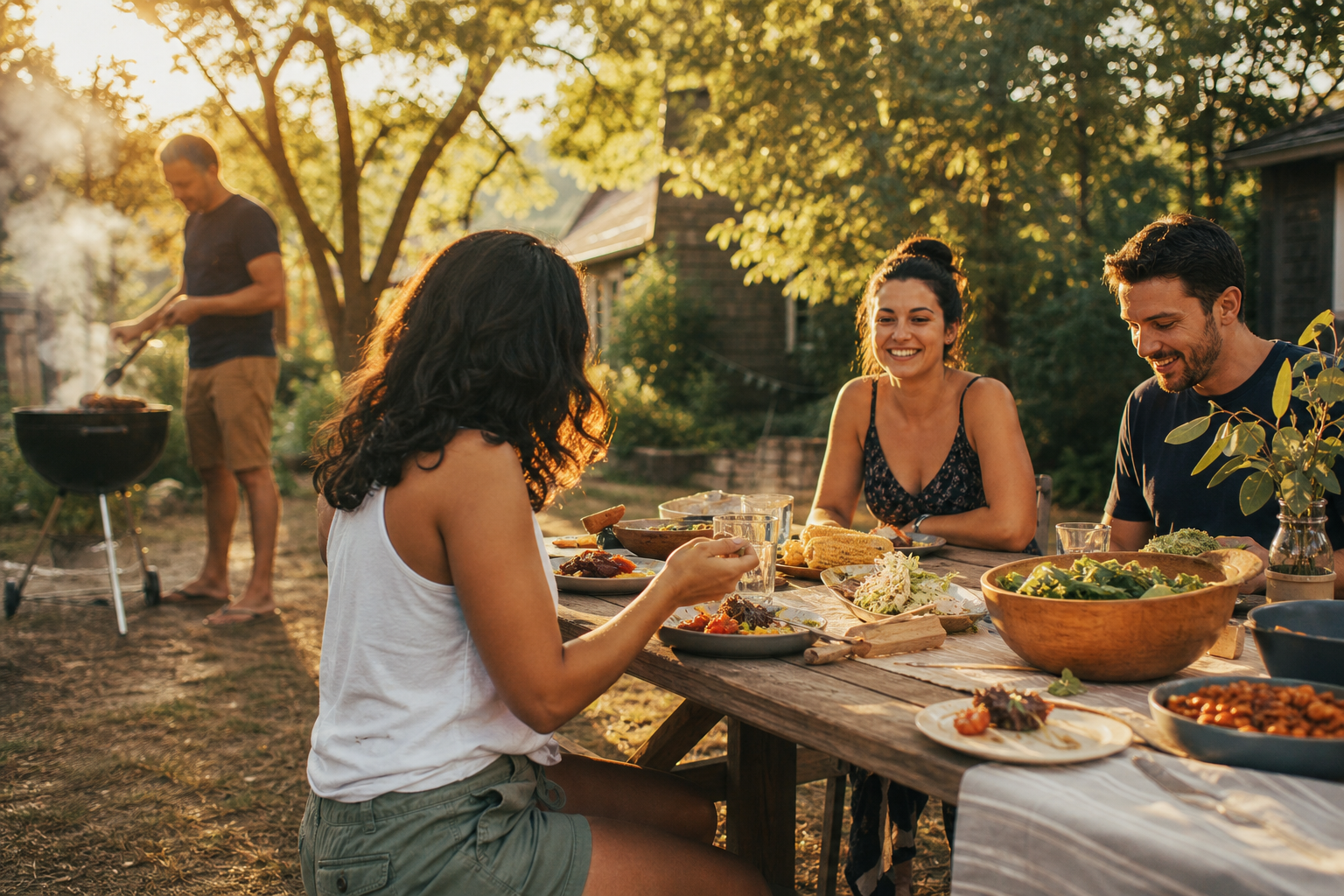
Every Divine Toke strain comes with lab results so you can see the terpene breakdown before you buy. Our team can guide you to options in that sweet 15-22% THC range with the uplifting profiles perfect for long summer days. Whether you're planning a Lake Michigan beach trip, a backyard barbecue, or just want something that won't weigh you down during the heat, we've got options that fit.
Stop by our Detroit location and put your nose to work—follow the citrus and pine to find your ideal summer companion. Stay hydrated, stay shaded, and enjoy the season responsibly.
Summer in Michigan offers something precious: long days, warm nights, and the kind of natural beauty that makes outdoor cannabis consumption genuinely rewarding. The right strain enhances these experiences rather than weighing them down. By choosing bright, terpene-rich sativa-leaning hybrids and respecting the season's heat and humidity, you create conditions for memorable summer moments.
Remember that cannabis affects everyone differently. What feels energizing to one person might feel mild to another. Start with small amounts, pay attention to how specific terpenes work for your body, and build your summer strain preferences from real experience. The guidance in this article provides a starting point—your personal experimentation completes the picture.
Whether you're a longtime cannabis consumer or exploring summer strains for the first time, the principles remain consistent: light and bright beats heavy and dark when the mercury rises. Trust your senses, respect the heat, and choose cannabis that matches the season's energy. Michigan summers are too short to spend them feeling sluggish.
Enjoy the sunshine, stay safe, and we'll see you at the shop.
Your Summer Cannabis Kit: What to Pack #
Planning a summer cannabis outing? Pack smart to protect your flower and enhance your experience. Whether you're headed to a friend's backyard barbecue, a Lake Michigan beach day, or a northern Michigan camping trip, a few simple preparations make all the difference.
Essential summer cannabis gear:
| Item | Purpose | Summer-Specific Note |
|---|---|---|
| Airtight glass jar | Flower storage | Prevents heat/humidity damage |
| Humidity pack (58-62%) | Moisture control | Essential for Michigan humidity |
| Insulated bag or cooler | Temperature protection | Keep out of direct sun |
| Portable grinder | Preparation | Metal grinders heat up in sun—use wood or plastic |
| Water bottle | Hydration | Double your normal amount |
| Sunglasses and hat | Sun protection | Cannabis can dilate pupils |
| Lighter or hemp wick | Ignition | Lighters heat up in sun—store in shade |
The insulated bag deserves special attention. It doesn't need to be fancy—a small lunch cooler works perfectly. The goal is creating a buffer between your cannabis and the summer heat. Even 30 minutes in direct sun can raise internal container temperatures high enough to degrade terpenes. A simple cooler with an ice pack (not touching the cannabis directly) maintains safe temperatures for hours.
For extended outdoor adventures like camping or full beach days, plan your storage carefully. Nighttime temperatures in northern Michigan can drop significantly even when days are hot. These temperature swings cause condensation inside containers if you're not using proper humidity control. The humidity packs mentioned earlier absorb excess moisture when it's humid and release it when conditions dry out—buffering your flower against Michigan's variable summer conditions.
Remember that consuming cannabis in state parks, on beaches, or in other public spaces remains prohibited even where possession is legal. Plan accordingly by identifying private property options or legal consumption spaces before you travel. Being prepared prevents the disappointment of discovering you have nowhere legal to enjoy what you brought.
This article is for educational purposes only and is not medical advice. Always consult your healthcare provider before starting any new wellness routine. Never drive or operate machinery after consuming cannabis.
Grown in Detroit. Shipped to your door.
Small-batch, sun-grown cannabis cultivated in living soil. Mail-order shipping to all 50 states.