Why Your Heart Races After Cannabis, and When That Is a Stop Sign
Your pulse jumps after a joint or an edible because THC speeds the heart and can drop pressure when you stand. Here is when that jump is a real stop sign.
Questions this article answers
- why does your heart race after smoking weed
- why does an edible make your heart race later
- can cannabis drop blood pressure when you stand up
- when should you call 911 for a fast heart after cannabis
- who should be careful with cannabis and heart rate

Head Cultivator
On this page
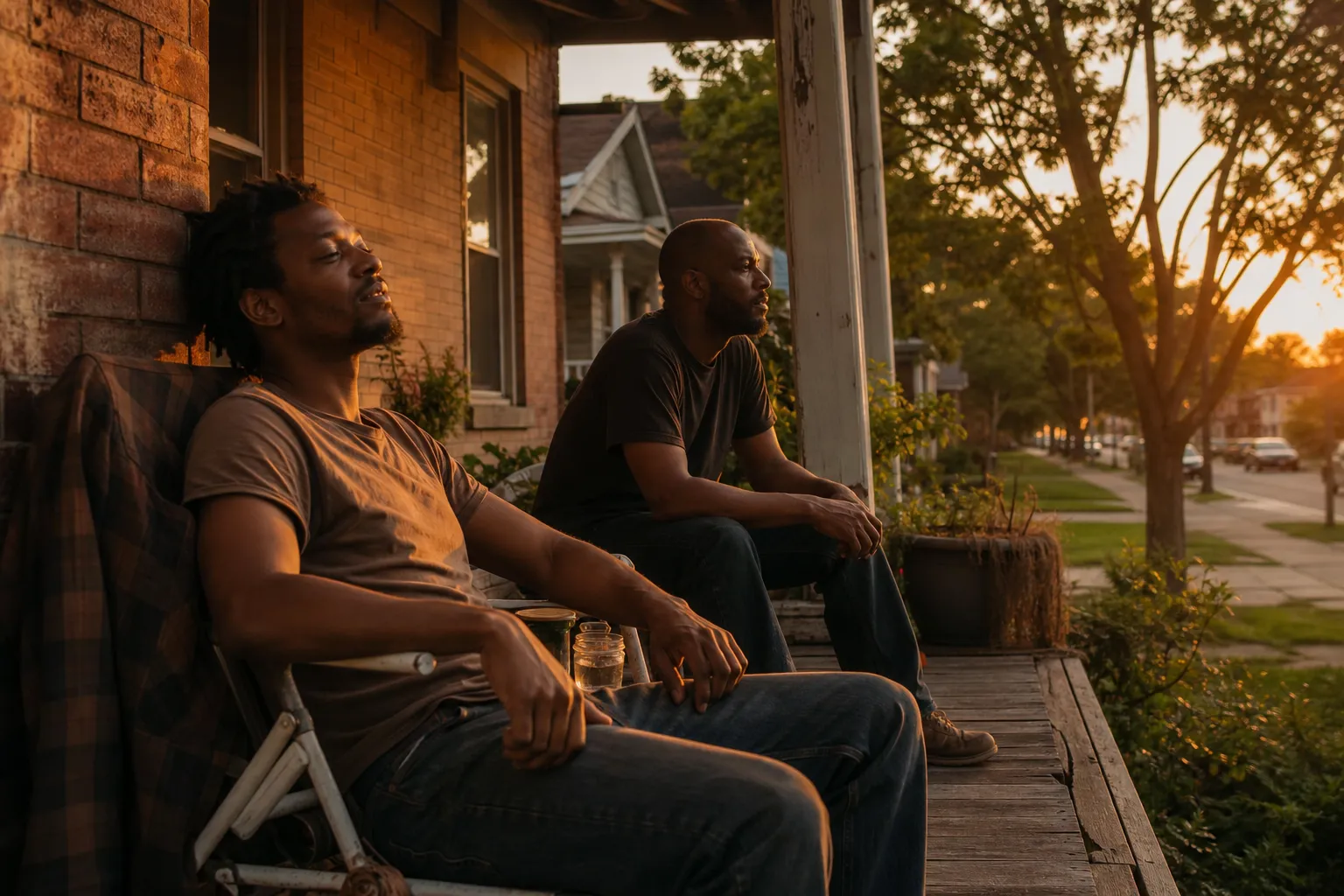
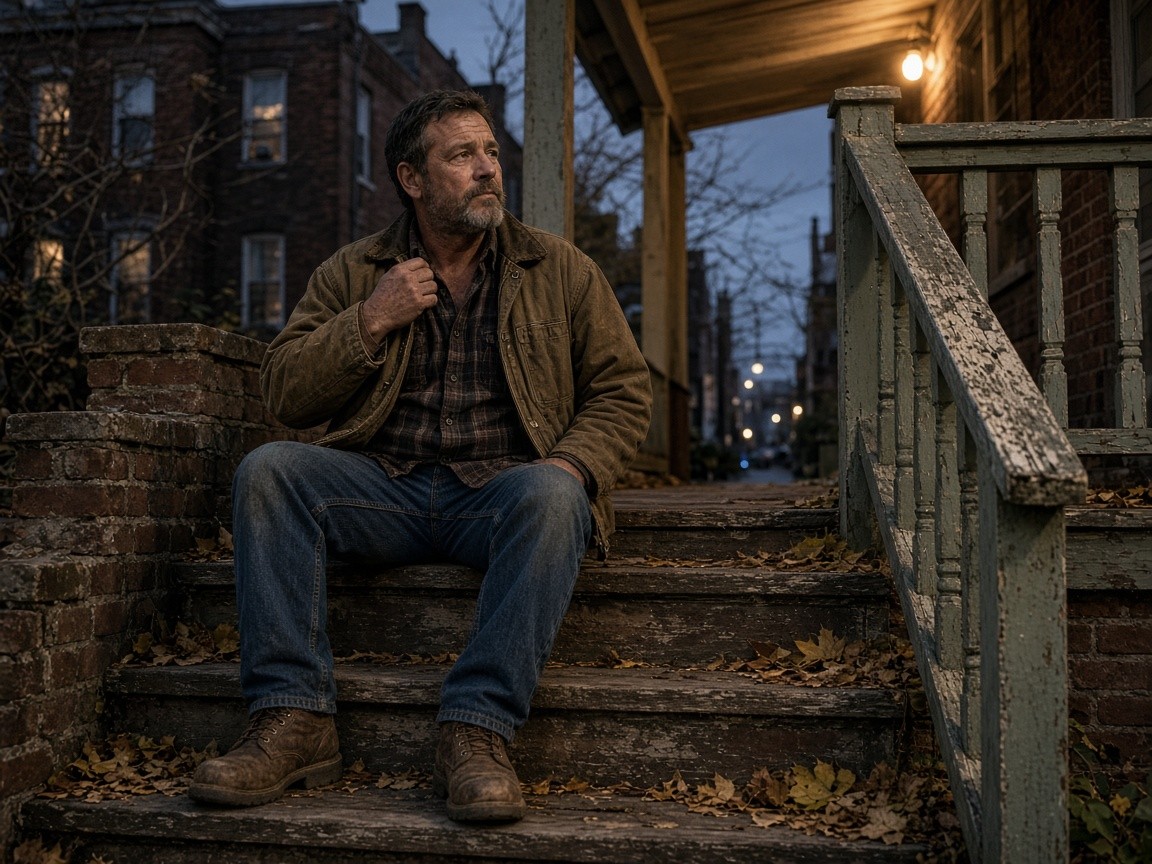
You make it to the second landing on a Detroit job-site stairwell and your collar is jumping. You sat in the truck for twenty minutes. A few hits on break. Now your pulse feels like it's trying to leave your neck.
That fast beat is a known THC effect. It's also the moment to sort a common pulse from a stop sign. Chest pain, fainting, trouble breathing, a seizure, or a pulse that will not settle with those signs means you call emergency services. This page is the plain version of what heart doctors and the CDC already say. It's not a dose plan and it's not a clinic visit.
Divine Toke is a sun-grown organic cannabis farm in Detroit, Michigan. We grow flower. We don't diagnose hearts. If you want the bigger map of how THC talks to your body, start with the endocannabinoid system deep dive. This post stays on the pulse.
Why Does Your Pulse Jump After Cannabis? #
THC speeds your heart because it flips on the fight-or-flight system and opens blood vessels, so the heart beats faster to keep pressure up. The American Heart Association said this in plain terms in August 2020. Within about an hour after cannabis is smoked, THC can bring on tachycardia, which just means a heart beating faster than its resting pace. The same note lists extra beats and rhythm glitches that can show up in that first hour.
Here is the chain, without the textbook voice.
THC fits CB1 receptors. Those are tiny locks in the brain, the heart, the muscle in blood-vessel walls, and the nerves that set your pulse. A 2020 review in the Journal of Clinical Medicine says the heart-rate jump is driven mainly through those CB1 locks.
At the same time, THC turns up the sympathetic nervous system. That's the fight-or-flight wiring. The AHA newsroom write-up of its 2020 Circulation statement says this raises heart rate, raises how much oxygen the heart muscle wants, and can raise blood pressure while you're lying down. The full statement is Page and colleagues in Circulation.
Vessels can open wider. When the pipes get wider, pressure can sag. The body answers by speeding the pump. You feel that answer in your collar, your ears, or the stair rail under your hand.
How big is the jump after you smoke? The same 2020 review reports an older smoking study that found a 20% to 100% rise in heart rate. It can start within about 10 minutes of inhaling and last about 2 to 3 hours. A percent is not a promise. A person whose resting pulse is 70 and a person whose resting pulse is 90 will not land on the same number. Dose, tolerance, and what else you took all move it.
What you might notice on a normal fast-pulse night:
- A hard beat in the neck or chest within minutes of a joint
- A warm face or a light head when you stand
- The beat easing over a couple of hours if nothing else is wrong
- Worry that makes the beat feel even louder
What the research does not say: that every fast pulse is a heart attack. The AHA is clear that most of the heart-attack and rhythm papers are observational. They spot a pattern. They don't prove cannabis caused each event.
| What changes | Plain meaning | Usual smoked window |
|---|---|---|
| Heart rate | The pump speeds up, often 20% to 100% in the review's cited smoking study | Starts within about 10 minutes, can last 2 to 3 hours |
| Oxygen demand | The heart muscle asks for more oxygen while it's beating faster | Same early window |
| Blood pressure lying down | Can run higher while you're flat | Early, while THC is active |
| Blood pressure standing | Can drop. That drop has its own section below | When you stand, especially at a higher dose |
| Rhythm | Extra beats or a messy rhythm can show up in the first hour | First hour after smoking, per AHA |
If you want the lock-and-key version of CB1 and CB2, read CB1 and CB2 receptors explained. The short version for this page: THC hits CB1, and CB1 is one reason the pulse takes off.
What Happens to Blood Pressure When You Stand Up? #
Cannabis can raise the pulse and, at the same time, drop blood pressure when you stand, which is why the stairwell feels worse than the couch. Doctors call that drop orthostatic hypotension, or postural hypotension. Both names mean the same thing: pressure falls when you go from sitting or lying to standing.
A 2002 review by Jones in the Journal of Clinical Pharmacology put the trio in one sentence. Marijuana and THC increase heart rate, slightly increase blood pressure while you're lying down, and on occasion produce a marked drop when you stand.
The 2020 cardiovascular review says postural hypotension and dizziness show up more at higher doses. Healthy volunteers who got that standing drop after smoking also showed slower blood flow in the brain on a Doppler check. Slower flow in the brain is one reason people gray out, grab a rail, or fall.
That's the job-site picture. You finish a hit in the truck. You feel fine in the seat. You stand, hit the metal stairs, and the pulse hammers while the edges of your vision go soft. The heart is racing partly because pressure fell. The two feelings arrive together. They are not two different mysteries.
A methods paper used by cannabis researchers, Gorelick and Heishman, 2006, lists tachycardia and orthostatic hypotension as expected acute effects. Their lab rule was simple. Screen out people with serious heart or lung disease before you give them cannabis in a study, and watch heart rate and blood pressure the whole time. A job site is not a lab. The same two numbers still matter.
| Position | What often happens with THC | What you feel |
|---|---|---|
| Lying on the couch | Heart rate up. Blood pressure can be a bit higher while you're flat | A hard pulse, maybe a warm face |
| Sitting in the truck | Still sped up, but you're not fighting gravity as hard | Manageable, easy to ignore |
| Standing, stairs, ladder | Pressure can drop. Pulse may jump again to compensate | Dizzy, gray, sweaty, pulse in the collar |
| After you sit back down | Pressure can recover if this was the common drop | The spin eases. The fast beat may linger |
Our seniors starter guide and the longer medical guide for seniors mention dizziness as a side note. This post owns the pulse and the standing drop. If you're older, or you take blood-pressure pills, that standing drop deserves a real conversation with your own clinician before you treat stairs like a normal night.
Falls are the practical risk. Latif and Garg tie the standing drop to a higher chance of falls. Livingston County Health Department in Michigan lists a fast heart rate among signs of too much cannabis, and says those reactions can lead to a fall. A Detroit stoop in early evening, wet leaves on the steps, boots with poor tread: that's enough geometry. You don't need a hospital set for this to matter.
How Soon Does the Fast Pulse Start: Smoke Versus an Edible? #
Inhaled THC can speed the heart within about 10 minutes. An edible can wait one to three hours because your liver has to make a second chemical first. Same plant. Different clock. People get into trouble when they use the joint clock on a gummy.
The 2020 review separates the routes:
- Smoke or vapor: heart-rate effects can start within about 10 minutes and last about 2 to 3 hours.
- Swallowed THC: peak levels often land around 2 to 3 hours, and the amount that actually reaches your blood is less predictable.
When you inhale, THC goes from the lungs into the blood and up to the brain and heart. When you eat it, a lot of the THC hits the liver first. The liver turns some of it into 11-hydroxy-THC. That's the active leftover your body makes from swallowed THC. It's not a different product on the label. It's chemistry. We walk the longer version in why edibles feel completely different.
The CDC cannabis FAQ warns that edible effects can be delayed or unpredictable, and that delay is how people take more before the first piece has peaked. There's no CDC rule that says "wait X minutes, then it's safe to take more." The observed windows above are study timing, not a personal dose order.
A big edible on an empty stomach after a shift is a common Detroit story. Lunch was coffee and a gas-station pastry, or nothing. You get home, you eat a piece because your back hurts, and you stand at the stove. Nothing happens. You eat more. An hour later the pulse shows up while you're on your feet. The empty stomach did not make that clock reliable. It just made the wait feel like a dud.
Michigan law puts a ceiling on adult-use edibles. The Michigan Cannabis Regulatory Agency technical bulletin caps adult-use edibles at 10 mg THC per serving and 200 mg THC per package. Michigan Public reported in August 2022 that the package cap moved to 200 mg and the serving cap did not change. A package can hold many servings. The cap is a legal maximum, not a suggestion to eat 10 mg, and not a suggestion to finish the bag. Our edibles dosing guide is the shopping piece. This post will not hand you a milligram plan.
| Route | When the pulse often shows up | How long the ride can run | The easy mistake |
|---|---|---|---|
| Joint, pipe, vapor | About 10 minutes, sometimes inside the first hour | Often 2 to 3 hours for the heart-rate rise | Another hit because the first one "was not enough" before you stood up |
| Edible, drink, capsule | Often closer to 1 to 3 hours | Longer and less even than smoke | A second piece because the first one felt like nothing |
| Both in one night | The clocks stack | You cannot tell which one is still working | Treating them like the same high |
CBD is a different story in the AHA note. Studies they cite link CBD, which does not produce the high, with a lower heart rate and lower blood pressure in some settings. That's not a reason to treat CBD like heart medicine. It's a reason not to blame every cannabinoid for the racing pulse. The racing pulse people describe after a joint is mostly a THC story.
Who Should Be More Careful When Cannabis Speeds the Heart? #
People with a heart history, older adults, anyone stacking stimulants, and anyone taking a large edible should treat a fast pulse as information, not as a vibe. The AHA statement says cannabis may have some medical uses, and almost none of them are for preventing heart disease. It also says cannabis can interfere with prescribed medicines and can trigger heart problems in some people. Page, the writing-group chair, said the short-term papers find trends. They don't prove cause and effect for every heart attack.
Who sits closer to the edge:
- A past heart attack, chest pain with effort, heart failure, or a known rhythm problem. Jones wrote that smoking marijuana raises risk for people who already have cardiovascular disease, because the heart is doing more work, adrenaline-type chemicals are up, smoke raises carbon monoxide in the blood, and standing pressure can fall.
- Older adults. The AHA statement spends time on this group. Vessels are stiffer. Pills for pressure, rhythm, and blood sugar are more common. A standing drop that a 25-year-old walks off can be a fall at 68. Read the seniors guides linked above, then talk to the clinician who already knows your meds. Our medication interactions guide is the companion, not a substitute for that visit.
- Stimulants in the same window. Caffeine, amphetamines, cocaine, and many ADHD medicines can speed a pulse on their own. THC is already asking the heart for more oxygen, per the AHA. Stacking a stimulant on top is two pushes on the same system. Direct human trials of every combo are thin. The careful move is still to notice the stack, not to pretend it's neutral. Don't stop a prescribed medicine because a blog said so. Ask the prescriber.
- A large edible, especially on an empty stomach. The delay described above is how a "small" night becomes a hard pulse at hour two. A 200 mg Michigan package is a lot of servings. One serving on the label is already the legal adult-use ceiling of 10 mg, not a starter assignment.
| Situation | Why the pulse matters more | What to do with that fact |
|---|---|---|
| Heart history | More cardiac work, possible rhythm issues, standing drop | Clinician first. Emergency care for chest pain or fainting |
| Older adult | Falls, more meds, stiffer vessels | Sit before you stand. Read the seniors guides. Tell your doctor |
| Stimulant the same day | Two things can speed the heart | Notice caffeine, ADHD meds, and anything stronger. Don't mix in cocaine |
| Big edible, empty stomach | Late, uneven onset | Don't add more because the first piece feels quiet |
| Smoke plus a ladder or stairs | Standing drop plus height | Sit the first 15 minutes after you inhale |
Why everybody's high is different covers tolerance, receptors, and why your friend shrugs off a dose that sits you down. Use that for the "why me" question. Use this page for the pulse.
Questions worth taking to a clinician, not to a budtender:
- I have a heart history. Ask if cannabis is a bad idea right now.
- I take a blood-pressure pill, a rhythm pill, or a stimulant. Ask what to watch for.
- I got dizzy on the stairs last time. Ask if that was the standing drop.
- I use edibles after work on an empty stomach. Ask how to describe the timing so they can advise you.
Write down the answers. A Michigan shop employee can read a label. They cannot clear you for a heart condition. R 420.507 also bars cannabis ads from making health claims the FDA has not approved. That rule is about marketing. It's a useful reminder that a jar is not a medical plan.
What Does a Michigan Shift Add to That Pulse? #
A metro Detroit shift stacks the same body stressors the studies already flag: hours upright, caffeine, a skipped meal, then a sudden stand. The chemistry is not special to Michigan. The Tuesday night is.
You're off an auto-plant swing, a hospital night, or a residential job in the city. September air off the river is cool. You have been on your feet or in a cab for hours. Coffee, or an energy drink, did part of the afternoon. Food was late or thin. You get home, or you pause on the stoop, and you use cannabis to come down.
A smoked break and a late edible don't share a clock. Here is one ordinary night, not a script to follow:
| Clock | Smoked on the stoop | Edible after the shift |
|---|---|---|
| Leaving the site | Pulse is your work pulse. Caffeine may still be in you | Same. The edible is still in your bag |
| First 10 minutes at home | Latif and Garg say the heart-rate rise can already be starting | Often still quiet. This is the dangerous quiet |
| 30 to 60 minutes | You're inside the common fast-pulse window. Stairs feel worse than the couch | May still feel like nothing. Don't add a second piece |
| About 2 to 3 hours | Smoked heart-rate rise is often easing if nothing else is wrong | Oral peak often lands here. The collar jump can show up while you're standing at the sink |
| If chest pain or a faint shows up | Stop the clock. Call 911 | Stop the clock. Call 911 |
Three things from the research are already in that scene:
- You stand up. Orthostatic hypotension is a standing problem. Stairs at the job site, the porch steps, the walk from the truck to the door. Jones and Latif and Garg both describe that drop.
- A stimulant may still be in you. Shift coffee is a stimulant. THC is already raising oxygen demand. You don't need a lab to notice both.
- An edible after the shift hits late. You're tired, hungry, and upright. The CDC says edible timing is delayed and easy to misread.
Detroit trades and shift-work wellness is the wider piece on bodies that work for a living. This post is the heart-rate slice of that life.
A few Michigan specifics that change the decision, not the slogan:
- Adult-use cannabis in Michigan is for adults 21 and older under MCL 333.27955. A fast pulse in a teenager is a different conversation, and this post is not written for minors.
- The edible ceiling above is a CRA rule, not a shop special. If a package says 200 mg, that's the legal top of the container, split across servings of up to 10 mg.
- Livingston County's health page, which serves part of metro Detroit's western edge, already tells residents that cannabis can raise heart rate and that too much can end in a fall.
- Cool evenings and wet stoops don't cause the pulse. They raise the cost of a dizzy stand. Sit down before you decide you're fine to drive.
Alcohol on the same night is its own stack. Weed plus drinks hits harder than either one, and balance gets worse. That's the cross-fading guide. If your pulse is up and the room is moving, don't add a beer to "smooth it out."
When Is a Fast Pulse a Stop Sign? #
Call 911 for chest pain, fainting or collapse, trouble breathing, a seizure, or heart symptoms that are severe and not settling. A fast pulse alone, inside the first couple of hours, can be the common THC effect. Don't drive yourself to the emergency room.
This section sticks to what the sources name. It does not invent a beats-per-minute cutoff or a minute timer.
Call emergency services now #
The CDC cannabis FAQ says to call 911 immediately if someone stops breathing, collapses, or has a seizure. Those signs can be life-threatening.
The American Heart Association's 2020 statement coverage links smoking and inhaling cannabis with angina, which means chest pain, heart attacks, heart-rhythm disturbances, and sudden cardiac death. A separate AHA news piece from 2018 says that if someone using marijuana develops chest pain and shortness of breath, they should be evaluated by a healthcare provider, including to rule out a temporarily weakened heart muscle. Chest pain is not a "wait and see if the high fades" symptom. Call emergency services.
Fainting is the collapse the CDC names. A soft gray-out that passes when you sit can be the standing drop from the section above. A real faint, a fall you don't remember, or a person you cannot wake is a 911 call.
The fast pulse that's common, and the one that's not #
Latif and Garg describe a heart-rate rise that can last about 2 to 3 hours after smoking. During that window, a hard regular beat without chest pain can be the effect people came here to read about. Sit down. Don't take more. Don't climb.
The CDC also lists a fast heart rate among signs you used too much cannabis, along with panic. For too much, they point people to Poison Control. In an emergency, call 911.
Livingston County uses the same cluster: extreme confusion, anxiety, paranoia, panic, fast heart rate, and higher blood pressure can mean too much, and those reactions can lead to a fall or a crash.
Treat these as stop signs, and call 911:
- Chest pain
- Shortness of breath that's new or getting worse
- Fainting, collapse, or you cannot wake the person
- A seizure
- Breathing that stops or is clearly not enough
- A fast or irregular beat that arrives with any of the signs above, or that's severe and not settling
Poison Control is the other number. In the United States it's 1-800-222-1222. Use it when someone took more cannabis than they meant to, they are awake, they are breathing, and they don't have the emergency signs above. The CDC sends "too much" calls there and still says 911 when it's an emergency.
| What you notice | What the sources support | Who to call |
|---|---|---|
| Hard pulse for an hour or two after smoking, no chest pain, you're awake | Common THC heart-rate rise, often 2 to 3 hours | Sit. No more cannabis. Poison Control if you're scared you overdid it |
| Dizzy when you stand, better when you sit | Standing blood-pressure drop | Sit or lie down. 911 if you faint or fall and stay down |
| Chest pain or shortness of breath | AHA: get evaluated. Linked with angina and heart injury in their reviews | 911. Don't drive |
| Collapse, seizure, or breathing stops | CDC: call 911 immediately | 911 |
| Panic plus a fast pulse, still breathing, no chest pain | CDC: sign of too much | Poison Control, 1-800-222-1222. 911 if it turns into the row above |
Don't let a friend talk you out of chest pain because "weed anxiety does that." Anxiety can speed a pulse. Chest pain is still chest pain. The anxiety sweet-spot guide is for the worry spiral on a calmer day. It's not the page you use while your chest hurts.
What to say if you call #
You don't need a perfect story. You need the facts a dispatcher or Poison Control can use.
- What went in: flower smoked, a vape, or an edible
- About when: "twenty minutes ago" or "two hours ago"
- About how much you know: one joint, or "a piece of a package," not a guess dressed up as a lab result
- Who is in trouble: you, or someone who will not wake up
- The stop-sign symptom, in ordinary words: chest pain, fainted, cannot breathe, seizure
Skip the strain name. Skip the THC percent on the jar. Those don't change the first instruction, which is to get help. If you're in a Detroit apartment stairwell or on a job site, say that too, so they know you may not be easy to reach at a front door.
A few delays that don't help:
- Arguing indica versus sativa while someone's pulse is the problem
- Hunting a beats-per-minute cutoff. The papers cited here don't publish one for you to enforce at home
- Driving "to get air" through metro Detroit traffic
- A second edible to "even it out"
If you're the sober person in the room, stay. Meet the medics if you called 911. If the person is awake, breathing, and scared they ate too much, Poison Control at 1-800-222-1222 can stay on the phone with you. The CDC is the reason that number is on this page.
What Can You Do While a Common Fast Pulse Settles? #
Sit or lie down, stop taking more, and give the smoked window its couple of hours. That's harm reduction, not a treatment. Nobody on this farm is your cardiologist.
If the beat is the common kind, with no stop-sign symptoms:
- Sit or lie down so you're not fighting the standing drop. Jones is the reason. Pressure can fall when you're upright.
- Skip the next hit and skip a second edible. The CDC flags redosing while an edible is still coming on.
- Skip the car. A fast pulse plus a gray-out is a bad time to merge onto I-94. Michigan still treats impaired driving as impaired driving.
- Skip the beer. Balance and judgment get worse together. See the cross-fading post.
- Sip water if you can keep it down. Dehydration makes a standing drop feel meaner. Water is not an antidote.
- Tell someone in the house what you took and when. If you fade, they need that for 911 or Poison Control.
What not to do:
- Don't climb the job-site stairs "to walk it off."
- Don't take a stimulant to "wake the edible up" or to cancel it. You would be adding another heart-rate push.
- Don't follow a milligram schedule from a blog, including this one.
- Don't decide you're fine because a friend "smokes all day and his heart is fine." Jones notes that some of the early heart effects ease with repeated use. That's tolerance talk, not a clean bill of health, and it does not erase risk if you already have heart disease.
If any stop-sign symptom shows up while you're "waiting it out," the wait's over. Call 911.
How Does a Racing Pulse Fit the Rest of the High? #
The fast heart is one piece of the THC effect, run through CB1 receptors and the fight-or-flight system, and it changes with the route, the dose, and the body you brought. It's not a strain personality and it's not proof the flower was "strong" in a moral sense.
Put the pieces in order:
- THC fits CB1 receptors in the brain, heart, and vessel nerves. That's the receptor guide and the endocannabinoid system pillar.
- Fight-or-flight turns up. Heart rate and oxygen demand go up. The AHA, August 2020, is the citation.
- Standing can drop pressure. Jones, 2002.
- Smoke shows up in minutes. An edible shows up later, with 11-hydroxy-THC in the mix. Latif and Garg, 2020.
- Your receptors, your meds, and your tolerance change the size of all four. Why everybody's high is different.
Divine Toke is still that Detroit, Michigan sun-grown farm. We care that the flower is clean and sun-grown. Clean flower does not cancel heart physiology. Organic is about how it was grown. It's not a promise about your pulse.
If you're curious about sun-grown flower after you have had this conversation with your own body, and with a clinician when your history says you should, the shop is there. Come to it on a day your pulse is boring. Not on a night you're still counting beats in your collar.
Are Heart-Attack Headlines the Same Thing as a Fast Pulse? #
A faster pulse for a couple of hours is a known THC effect. Headlines about heart attacks come from observational studies that find a pattern. They don't prove that every racing collar is a heart attack.
The American Heart Association's August 2020 statement said observational studies have linked cannabis with a higher chance of heart attacks, atrial fibrillation (an irregular upper-chamber rhythm), and heart failure. Robert L. Page II, the pharmacist who chaired the writing group, said most of the data are short-term, observational, and backward-looking. Those papers spot trends. They don't prove cause and effect.
Two numbers from that same AHA note are worth keeping next to the stairwell story:
- A study cited in the statement found cannabis use in 6% of heart-attack patients under age 50.
- Another study found cannabis users ages 18 to 44 had a higher stroke risk than nonusers.
Page's point still stands. A percent in a hospital chart is not a prediction for your Tuesday. It's a reason not to shrug off chest pain.
Smoke adds a second load that an edible does not. The AHA newsroom said smoking and inhaling cannabis, whatever the THC number, raised carbon monoxide in the blood about five-fold and tar about three-fold, in the same neighborhood as a tobacco cigarette. Carbon monoxide means the blood carries less useful oxygen while the heart is asking for more. That's a smoked-flower problem. It's not a reason to call an edible harmless. The edible still brings the late pulse, the 11-hydroxy-THC, and the redose trap.
The statement also said that in states that legalized cannabis, hospitals saw more emergency visits for heart attacks. Again, that's a pattern across a state, not a diagnosis of the person on the stoop. Use it this way:
| What you read | What it actually is | What you do with it |
|---|---|---|
| "Weed causes heart attacks" | Observational link, not proof for every user | Don't panic over a hard regular pulse with no other symptoms |
| "A fast pulse is always fine" | Ignores chest pain, fainting, and people with heart disease | Use the stop-sign section. Call 911 for those signs |
| "Smoke is the only route that matters" | Smoke adds carbon monoxide. Edibles add a late, uneven clock | Respect both clocks |
| "6% of young heart-attack patients had used cannabis" | A figure the AHA cited from one study | Context, not a personal odds ticket |
If you already have heart disease, Jones is the blunter paper. Extra heart work, adrenaline-type chemicals, carbon monoxide from smoke, and a standing pressure drop are the reasons he said smoking is riskier for that group. Bring that sentence to your own clinician. Don't borrow a friend's "I smoke every day" as your clearance.
Frequently Asked Questions #
These are the questions people ask once the collar jump has their attention. Each answer stays with the sources above. None of them is a personal dose.
Why does my heart race after I smoke weed? #
THC turns up fight-or-flight and can open blood vessels, so your heart speeds up to hold blood pressure. The American Heart Association describes a higher heart rate and a higher oxygen demand after THC. A 2020 review reports smoking studies with a 20% to 100% rise that can start within about 10 minutes.
How long does a fast pulse last after cannabis? #
After smoking, the cited window is about 2 to 3 hours, with rhythm changes most discussed in the first hour. That range is from the Latif and Garg review and the AHA's first-hour note. Edibles run later and less evenly. If chest pain or fainting shows up at any minute, don't wait out a timer. Call 911.
Why does an edible make my heart race later than a joint? #
Swallowed THC has to clear the gut and the liver, and the liver makes 11-hydroxy-THC, so the peak often lands around 2 to 3 hours. Inhaled THC can move in about 10 minutes. The CDC says edible effects are delayed and unpredictable, which is how people take a second piece too soon. More on the liver step: 11-hydroxy-THC.
Can cannabis drop your blood pressure when you stand up? #
Yes. THC can speed the heart, slightly raise pressure while you lie down, and sometimes drop pressure hard when you stand. Jones, 2002, called that orthostatic hypotension. The dizzy stairwell feeling is that drop plus the fast pulse, not two unrelated events.
Is a racing heart after weed always an emergency? #
No. A faster pulse for a couple of hours after smoking is a known THC effect. It becomes an emergency when it comes with chest pain, shortness of breath, fainting, a seizure, stopped breathing, or symptoms that are severe and not settling. The CDC separates "call 911" signs from "I used too much" signs.
When should I call 911 after cannabis? #
Call 911 for chest pain, collapse or fainting, trouble breathing, a seizure, or heart symptoms that are severe and will not settle. The CDC names stopped breathing, collapse, and seizure as immediate 911 calls. The AHA says chest pain and shortness of breath after marijuana use should be evaluated. Don't drive yourself.
What number do I call if I took too much but I am awake and breathing? #
In the United States, Poison Control is 1-800-222-1222. The CDC FAQ points people who used too much toward Poison Control, and still says to call 911 in an emergency. A fast heart rate is on the "too much" list. Chest pain is not a Poison Control-only problem.
Who should be more careful about cannabis and heart rate? #
People with heart disease, older adults, people using stimulants the same day, and people taking a large edible. Jones flagged cardiovascular disease because of extra heart work, adrenaline-type chemicals, carbon monoxide from smoke, and the standing drop. The AHA statement says cannabis can interfere with prescribed medicines. Talk to your clinician. Don't change meds from a blog.
Are older adults more likely to get dizzy with a fast pulse? #
The standing drop and the fall risk matter more when vessels are stiffer and medicines are already on board. The 2020 review links orthostatic hypotension after smoking with lower blood flow in the brain and with falls. Dizziness is only a sidebar in our seniors starter guide. The pulse lives here.
Does caffeine or an ADHD medicine change this? #
Both can speed a heart on their own, and THC is already raising how much oxygen the heart wants. The AHA is the oxygen-demand source. Cocaine and amphetamines are a harder stack than a morning coffee. Don't stop a prescribed stimulant on your own. Tell the prescriber you use cannabis. Our interactions guide lists questions worth bringing.
Does CBD race the heart the way THC does? #
The AHA's 2020 coverage points the other way for CBD: some studies link it with a lower heart rate and lower blood pressure. CBD does not produce the high THC does. That finding is not a heart treatment and it's not permission to mix high-THC products and call them CBD. The racing collar after a joint is a THC effect.
Can I drive once the panic fades but my pulse is still up? #
No. Wait until you're steady on your feet and your head is clear, and don't drive during the fast-pulse window. A standing drop plus a sped-up heart is a bad mix for a Michigan freeway. If you fainted or had chest pain, you're in the 911 row, not the "sleep it off and drive at dawn" row.
A Calm Close #
Sit down for a common fast pulse. Call 911 for chest pain, fainting, trouble breathing, a seizure, or symptoms that stay severe. The rest of this page is the reason those two moves are different.
The collar jump on the stairs is usually THC doing a loud, ordinary thing: faster heart, harder work for the muscle, sometimes a pressure drop when you stand. Smoke tells you quickly. An edible tells you late. A heart history, a stimulant, a skipped meal, and a Detroit shift all turn the volume up.
If you remember three things from this page, remember these:
- A hard pulse for a couple of hours after you smoke can be the common effect. Sit down. Don't take more.
- An edible can stay quiet and then hit while you're on your feet. A quiet first hour is not a green light for a second piece.
- Chest pain, fainting, trouble breathing, a seizure, or symptoms that stay severe get 911. Poison Control is 1-800-222-1222 when you're awake, breathing, and scared you took too much.
The stop sign is not subtle. Chest pain, fainting, trouble breathing, a seizure, or symptoms that stay severe get emergency services. Poison Control is for too much when you're still awake and breathing. Everything short of that's a sit-down, not a second dose.
If you want the plant on a quieter day, Divine Toke's sun-grown flower is on the shop. Pair this page with the endocannabinoid system deep dive, the edible chemistry piece, and the trades and shift-work guide.
This article is for educational purposes only and is not medical advice. Always consult your healthcare provider before starting any new wellness routine.
Grown in Detroit. Shipped to your door.
Small-batch, sun-grown cannabis cultivated in living soil. Mail-order shipping to all 50 states.